Level 3 Damp Survey in South Woodford (E18)

Back to all Case Studies

An independent Level 3 damp survey was commissioned for a flat in South Woodford (E18). The property owner arranged the inspection following persistent mould growth across living areas. Instructing an unbiased diagnostic survey ensured the owner received an accurate health check based on objective testing rather than commercial guesswork.

About the Issue

The homeowner observed visible mould growth spreading across multiple areas within the flat. Fearing that active rising damp, penetrating water through external masonry, or hidden plumbing leaks were destroying internal finishes, they sought an independent investigation.

The Challenge

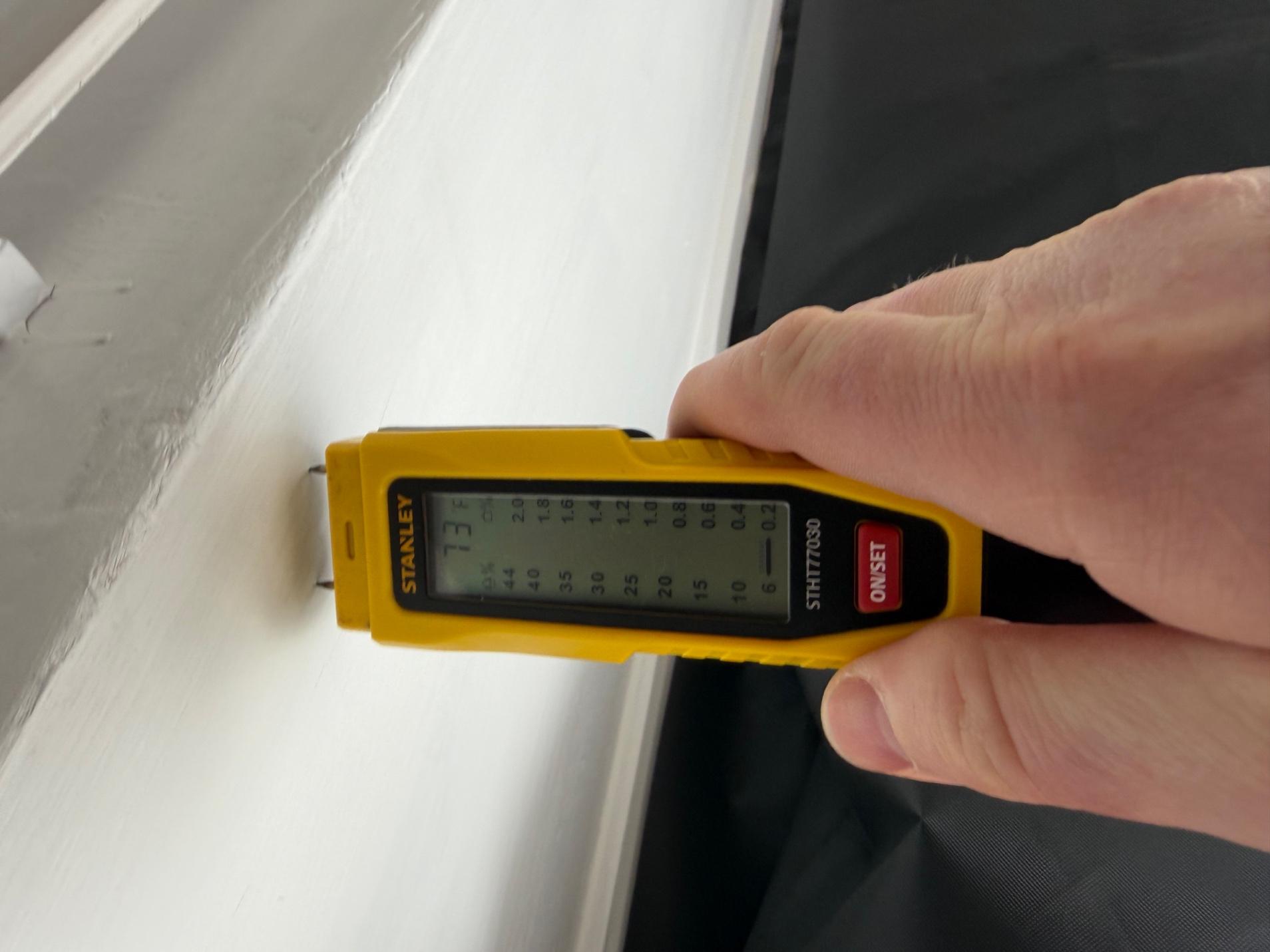
A comprehensive Level 3 damp survey was undertaken, thoroughly testing all accessible walls and relevant areas using specialist damp detection methods.

Testing and visual assessments provided distinct diagnostic findings:

  • Quantitative moisture testing across all accessible walls returned dry readings throughout.
  • Inspection confirmed zero evidence of rising damp, penetrating damp, or plumbing-related water ingress.
  • Diagnostic evaluation identified solid masonry external walls as the root cause, which do not retain heat effectively.

This physical testing proved that the mould was environmental rather than structural. Because solid masonry walls stay cold, warm, moisture-laden indoor air condenses upon contact with wall surfaces, fostering mould over time.

The Solution

Since structural dampness was ruled out, the report recommended environmental controls to manage moisture and cold surfaces:

  • Deploy a continuous drainage dehumidifier fitted with a permanent drain hose (not a manual water tank model) positioned near a kitchen sink or suitable drainage point.
  • Keep the unit plugged in and running 24 hours a day, set to automatic mode targeting approximately 50–55% RH.
  • Maintain closed windows during operation to allow the dehumidifier to effectively regulate internal air conditions across the entire flat.
  • Alternatively, implement thermal insulation improvements to increase wall surface temperatures and prevent condensation.

The Outcome

The property owner received total peace of mind knowing their flat was structurally sound and free from active leaks or rising damp. By opting for an independent survey, they avoided paying for unnecessary damp proofing treatments or chemical wall injections.

Why This Case Matters

Visible mould frequently leads property owners to assume severe structural failure, making them vulnerable to contractor sales pitches for invasive damp proofing. Independent diagnostic assessments isolate cold-bridge condensation from liquid water ingress, protecting owners from unnecessary construction costs.

FAQs
Why are manual tank dehumidifiers discouraged in the report?

Manual tank units shut off automatically once full, allowing humidity levels to rise again and causing mould growth to return.

Was any rising damp found during wall testing?

No. All tested walls returned completely dry moisture readings, confirming zero rising damp, penetrating damp, or plumbing leaks.

How does a single continuous drainage dehumidifier treat the whole flat?

When correctly positioned near a drainage point with windows kept closed, one unit continuously extracts moisture to maintain 50–55% RH across the entire flat.

Protect your property with an unbiased, expert damp assessment

Professional Damp Diagnostic Equipment

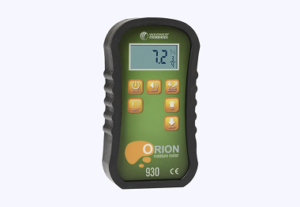
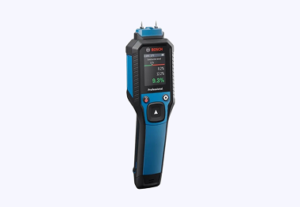
Electronic Moisture Meter

Purpose:

Takes comparative moisture readings from accessible walls, floors, ceilings and other surfaces to identify abnormal moisture patterns.

Common Uses / Notes:

Helps the surveyor map affected areas and identify patterns associated with rising damp, penetrating moisture, condensation and potential leaks. Readings support the survey but are not a diagnosis on their own.

Deep-Reading Moisture Meter

Purpose:

Investigates below the immediate surface of building materials without requiring extensive removal of finishes.

Common Uses / Notes:

Helps locate moisture within walls, beneath accessible floors, inside subfloor areas and deeper within the building fabric where hidden moisture is suspected.

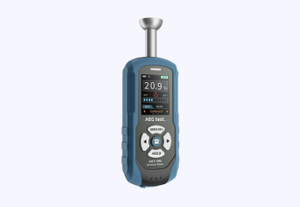
Non-Destructive Moisture Scanner

Purpose:

Checks for changes in moisture beneath walls, ceilings and flooring non-invasively without puncturing or damaging the finished surface.

Common Uses / Notes:

Ideal for decorated walls, ceilings and flooring where pin testing would be undesirable. Useful for tracing water migration paths and comparing dry areas against suspected damp sections.

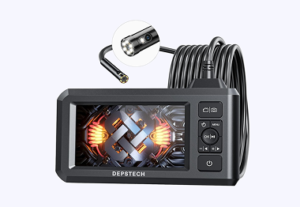
High-Definition Borescope Camera

Purpose:

Provides a close visual inspection of concealed or difficult-to-access spaces without opening up large sections of the building.

Common Uses / Notes:

Used beneath floors, inside wall cavities, behind linings and around hidden pipework to uncover leaks, hidden moisture, timber decay, or construction defects with minimal disturbance.

4K Aerial Drone

Purpose:

Captures high-resolution images of roofs, chimney stacks and other inaccessible high-level external areas.

Common Uses / Notes:

Inspects roof coverings, chimney stacks, flashing, guttering, parapet walls, valleys, high-level brickwork and difficult elevations to reveal defects linked to penetrating damp and water ingress. Subject to weather, safety rules and flight regulations.

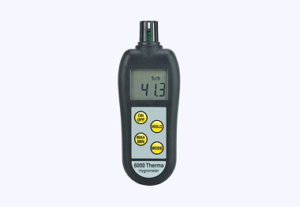
Indoor Humidity Monitor

Purpose:

Measures the amount of moisture held within the indoor air (relative humidity and temperature).

Common Uses / Notes:

Helps determine whether high ambient humidity, insufficient ventilation, or surface condensation could be contributing to black mould growth and damp conditions.

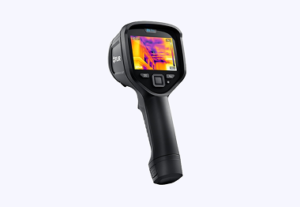
Infrared Thermal Imaging Camera

Purpose:

Displays surface temperature variations across walls, floors and ceilings.

Common Uses / Notes:

Assists in identifying cold bridging, condensation risk, insulation irregularities, thermal patterns and hidden water leaks. Interpreted alongside physical moisture readings rather than treated as proof of damp on its own.

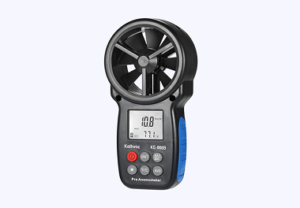
Ventilation and Airflow Tester

Purpose:

Tests the extraction performance and airflow velocity of mechanical extractor fans and ventilation outlets.

Common Uses / Notes:

Assesses extractor fans in kitchens, bathrooms and utility rooms to determine whether moisture-producing areas have sufficient extraction rate (L/s or m3/h) to control humidity, condensation and mould risk.

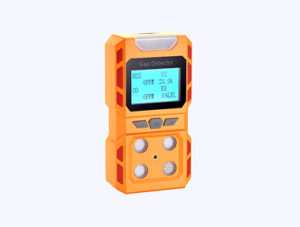
Multi-Gas Detection Equipment

Purpose:

Screens indoor air to identify certain gases present within the property.

Common Uses / Notes:

Supports investigations involving drain smells, suspected sewer gases (H2S, NH3, CH4), combustion concerns (CO, O2) and flammable gases (CH4, C3H8). Does not replace testing or certification by a Gas Safe registered engineer.

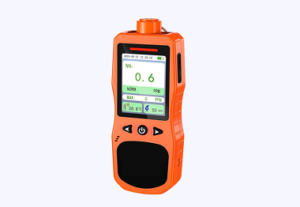
VOC and Chemical Vapour Monitor

Purpose:

Screens the air for Volatile Organic Compounds (TVOC/VOC) and chemical substances such as formaldehyde (HCHO).

Common Uses / Notes:

Useful when investigating unusual chemical smells, building material emissions/off-gassing, conditions following water damage, or general indoor air quality concerns.

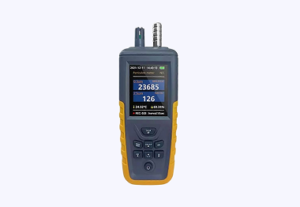
Fine Particle Monitor

Purpose:

Measures airborne material and particle concentrations across precise size ranges, including PM1.0, PM2.5 and PM10.

Common Uses / Notes:

Supports investigations involving fine dust, smoke, poor indoor air conditions and environments affected by post-leak damage or extensive mould contamination.

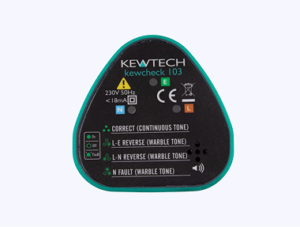
Socket and RCD Testing Device

Purpose:

Provides limited, basic electrical safety and protective circuit screening during the inspection.

Common Uses / Notes:

Helps identify certain socket wiring problems, confirms the operation of Residual Current Device (RCD) protection and detects AC voltage in damp areas. Does not constitute a full electrical inspection or an Electrical Installation Condition Report (EICR).

Equipment & Inspection Levels

Level 1

Essential Damp Survey

Standard price: £299 + VAT

Promotional Price: £199 + VAT (Limited Time Offer)

Repair Deduction: Full survey cost deducted if remedial work is instructed.

The Level 1 survey is an entry-level inspection of the main accessible areas. It is intended for relatively straightforward concerns involving visible damp, suspected rising damp or isolated moisture patches.

Equipment Provided

  • Electronic damp meter

Areas and Checks Included

  • Accessible walls
  • Accessible floors
  • Ceilings
  • Visible drain and plumbing leak checks
  • Damp information and prevention guidance

Recommended For

This option is suitable when a customer needs a basic assessment using a standard damp meter. It can be used for a general check or where there is a simple and clearly defined moisture concern.
The inspection covers accessible internal surfaces, drains and plumbing but does not include the advanced diagnostic instruments provided with the higher survey levels.

The survey price will be deducted if we undertake the recommended remedial work.

Click Here To Check Availability And Book Now
Level 2

Enhanced Damp & Timber Survey

Standard price: £399 + VAT

Promotional Price: £299 + VAT (Limited Time Offer)

Repair Deduction: Full survey cost deducted if remedial work is instructed.

The Level 2 survey includes the Level 1 inspection together with deeper moisture investigation and checks for timber-related deterioration.

Equipment Provided

  • Electronic damp meter
  • Deep-reading moisture meter
  • Non-invasive moisture scanner

Areas and Checks Included

  • Accessible walls, floors and ceilings
  • Visible drain and plumbing leak checks
  • Wet rot inspection
  • Dry rot inspection
  • Woodworm inspection
  • Deeper moisture readings from suitable building materials
  • Non-destructive moisture checks beneath accessible floors and within subfloor areas
  • Damp information and prevention guidance

Recommended For

It is appropriate for concerns involving wet rot, dry rot, woodworm, concealed dampness or moisture below finished surfaces.
The combination of deep-reading and non-invasive instruments allows the surveyor to gather information from subfloors, beneath accessible floorboards, behind suitable panelling and within other reachable concealed areas without unnecessary dismantling.

The Level 2 survey is a good choice for buyers and sellers who require a more detailed damp and timber assessment before proceeding with a property transaction.

The survey charge will be deducted from the cost of remedial work undertaken by us.

Click Here To Check Availability And Book Now

Specialised Laboratory Testing Add-Ons

Add-On 1

Laboratory Analysis of Plaster Samples

Price £299 + VAT

(The cost of this add-on is deducted from your repair bill if we carry out the recommended remedial works).

Small plaster samples are carefully taken from affected walls and sent to an independent laboratory to analyse the concentration of hygroscopic salts (chlorides and nitrates).

Why it matters: Hygroscopic salts are carried by ground moisture during rising damp and remain in plaster even after masonry dries.

Diagnostic value: Differentiates true rising damp from condensation, rainwater penetration, or temporary plumbing leaks.

Note: Salt analysis can be particularly helpful when moisture-meter readings alone do not provide a sufficiently clear diagnosis. It may assist in distinguishing possible rising damp from condensation, water penetration or residual contamination caused by a historic leak. 

The results are considered together with the moisture profile, construction of the building, external ground levels, condition of the damp-proof course and other survey observations. This is the only additional service requiring minor invasive work because physical plaster samples must be collected. If we undertake the recommended remedial work, the survey cost will be deducted from the cost of that work.

Click Here To Check Availability And Book Now
Add-On 2

Laboratory Mould & qPCR DNA Analysis

(The cost of this add-on is deducted from your repair bill if we carry out the recommended remedial works).

Surface swab or lift samples are submitted to an accredited laboratory for advanced qPCR DNA testing to identify exact mould species and spore concentrations.

Why it matters: Identifies toxigenic species (e.g., Stachybotrys chartarum) and concealed mould growth behind dry lining or furniture.

Diagnostic value: Establishes whether mould contamination is localised or widespread, enabling precise environmental remediation planning.

This service may be beneficial where:

  • A persistent musty smell is present
  • Mould repeatedly returns after cleaning
  • The property has experienced previous water damage
  • Contamination is suspected behind furniture or inside cupboards
  • Occupants have concerns about the indoor environment
  • The extent of visible mould is unclear
  • Independent laboratory evidence is required

Note: The results can help establish whether contamination appears isolated or more widespread. They may also assist with planning appropriate cleaning, removal, drying, ventilation or moisture-control measures.

Laboratory mould testing does not replace the need to investigate the moisture source. Mould is normally a symptom of excess moisture, condensation, leakage or inadequate ventilation, so the underlying cause must also be identified. If we carry out the recommended work, the survey fee will be deducted from the cost of that work.

Click Here To Check Availability And Book Now
Add-On 3

Gas, Vapour & Airborne Contaminant Screening

Price £299 + VAT

(The cost of this add-on is deducted from your repair bill if we carry out the recommended remedial works).
Comprehensive environmental air quality screening for properties with persistent odours, post-flood contamination, or air quality issues.

Screening includes:

  • Indoor air-quality assessment – IAQ
  • Volatile organic compounds – TVOC/VOC
  • Formaldehyde – HCHO
  • Fine airborne particles – PM1.0, PM2.5 and PM10
  • Dust and smoke particles – PM1.0, PM2.5 and PM10
  • Sewer gas screening – H2S, NH3 and CH4
  • Flammable gas screening – CH4 and C3H8
  • Carbon monoxide – CO
  • Hydrogen sulphide – H2S
  • Ammonia – NH3
  • Oxygen levels – O2
  • Stale-air and ventilation assessment – IAQ and TVOC
  • Drain odour investigation – H2S, NH3 and CH4
  • Chemical smell investigation – TVOC, VOC, HCHO and NH3
  • Post-leak air and surface-condition checks – PM2.5 and TVOC
  • Combustion gas screening – CO, O2 and CH4
  • Building-product off-gassing assessment – TVOC and HCHO
  • General pollutant screening – PM1.0, PM2.5, PM10 and TVOC

Diagnostic value: Pinpoints the source of foul drain odours, chemical off-gassing and stale air problems linked to poor ventilation. It is also useful when a property contains a persistent foul, stale or unexplained smell. Odours can originate from damp building materials, stagnant water, contaminated drains, sewer gases, mould-related conditions or chemical vapours. Targeted screening helps narrow down the possible source and supports further investigation.

Note: Screening results do not replace specialist gas, environmental or medical assessments where these are required. The survey charge will be deducted if London Damp Specialists completes the recommended remedial work.

Click Here To Check Availability And Book Now

Contact Us

If you have some questions, please complete this form:

Book and Pay for a survey

If you are ready to book a survey and pay, please complete this form:

Contact Us

If you have some questions, please complete this form:

Book and Pay for a survey

If you are ready to book a survey and pay, please complete this form:

Contact Us

If you have some questions, please complete this form:

Book and Pay for a survey

If you are ready to book a survey and pay, please complete this form: