Palace Theatre
The Palace Theatre in London is a long-standing example of British theatrical heritage and culture.
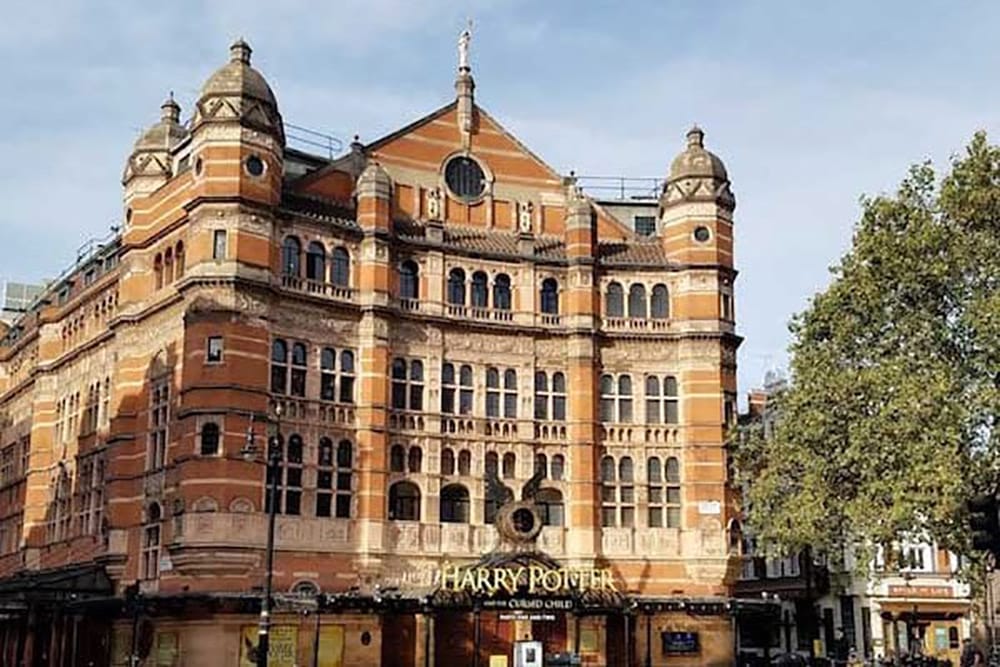

The Palace Theatre in London is a long-standing example of British theatrical heritage and culture. Built in 1891, it has been at the heart of musical theatre and entertainment for well over a century. In its early days, The Palace was renowned for presenting some of the most popular variety acts from all genres, from opera to comedy. It was also the home of early musical theatre productions and revivals.
Over the years, it has seen some of the most notable stars from across the world perform on its stage, including Ella Fitzgerald, George Formby, and Bing Crosby. Today, it continues to be a major hub for entertainment in London’s West End, hosting live music concerts as well as musical theatre productions. With its long and storied history, The Palace Theatre has remained a beloved landmark for generations of Londoners, who flock to its doors for an evening of unforgettable entertainment.
The Palace Theatre was previously bought by one Andrew Lloyd Webber in 1983 and refurbished in 1991. Today, this iconic building is owned by the Ambassador Theatre Group, which is responsible for renovating and maintaining the historic venue.
What We Found
Given its age and London’s notoriously damp weather, it makes sense that this magnificent building would have seen some damage over the years. When our team arrived on scene, one of the first things they noticed was the woodworm infestation that was plaguing the timbers of the grand structure.
What Is Woodworm?
Before we delve into the topic of woodworm, let’s discuss “Timber Treatment.” This phrase is frequently used to describe the damage and deterioration that the timber in old buildings may be subject to; these structures are often built with an excessive amount of lumber—sometimes up to 75%.
To safeguard your home or business from damage caused by timber decayers and destroyers, it is important to take preventive action. Three of the most common culprits are dry rot, wet rot, and woodworm; each capable of causing significant destruction. Fortunately, our damp specialists are experienced in treating all types of structures, particularly older ones that require more meticulous care.
Woodworm is an extremely troublesome issue to face. Wood-boring insects, or woodworms, are known for their larvae that tunnel into timber and feast on it over a considerable period of time. These eggs deposited on the exterior of wood swiftly hatch with exposure to the atmosphere and initiate their journey across the timber structures.
Wood-boring insects can be catastrophic to wooden structures, and if the extermination process isn’t completed properly, they will return. It’s paramount that you consult with knowledgeable professionals who understand how to conduct a successful woodworm treatment and make sure these pests are eliminated permanently in order to safeguard your property.
How We Tackled the Wormwood Infestation
After the survey revealed the gravity of the situation, we quickly remedied it by removing all affected and damaged wood. We then treated all remaining wood with timber preservative to forestall any possible recurrence of infection. Finally, we replaced the timbers to guarantee an environment in which theatre operations could be carried out safely.
"Super-efficient and speedy job and one of the team came back to do additional tidying up of the replaced skirting boards once it was finished."
Damp Proofing London Why to choose London Damp Specialists?
Damp Survey Costs
Transparent pricing with no hidden fees for our independent, unbiased surveys.

Level 1
What’s included:
- Inspection of walls
- Inspection of floors
- Inspection of ceilings
- Leak inspection of drains and plumbing
- Damp information and prevention guide

Level 2
What’s included:
- Everything in Level 1
- Dry rot inspection
- Wet rot inspection
- Woodworm inspection
- Damp information and prevention guide
Level 3 (Most Popular)
What’s included:
- Thermal Imaging
- Air humidity testing
- HD boroscope camera
- Brickwork pointing inspection
- DPC inspection
- Ventilation flow test on extractor fans
- 4K drone imagery roof, chimney stack
and guttering inspection - Structural condition inspection
- Inspection of walls
- Inspection of floors
- Inspection of ceilings
- Leak inspection of drains and plumbing
- Dry rot inspection
- Wet rot inspection
- Woodworm inspection
- Damp information and prevention guide
Survey Add Ons
Add On 1
Laboratory analysis Of plaster identifies hygroscopic salts such as chlorides and nitrates. which indicate whether damp is caused by rising groundwater or by plumbing leaks, This testing removes guesswork, allowing the exact source of moisture to be identified so the correct treatment is applied rather than carrying out unnecessary damp-proofing work.
Add On 2
qPCR DNA mould testing detects microscopic mould spores that are invisible during a normal inspection and van remain hidden behind walls, floors. or inside building rkaterials. It identifies the exact mould species present and the contamination level, allowing hidden mould problems to be confirrned and properly treated before they affect the property or occupants’ health.
Qualifications: All our surveyors are PCA and CSRT qualified for remedial treatments and also CSSW qualified for structural waterproofing.
Next day report: You will receive the report within 24 hours of the inspection taking place.
The survey fee will be deducted from the cost of any recommended repairs.
These are the tools we use
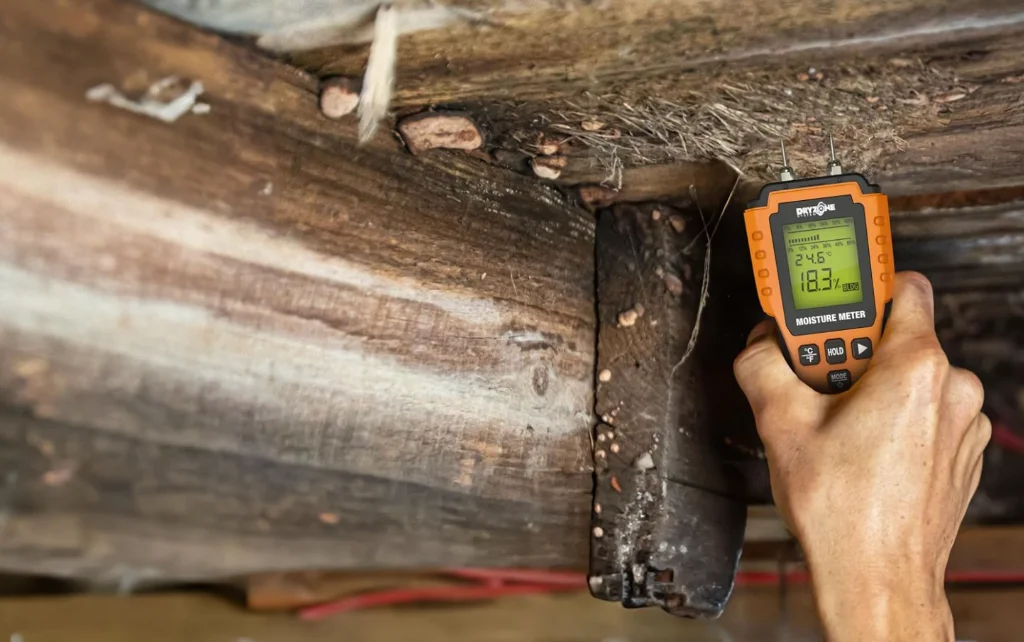
Damp Meter
A damp meter is a diagnostic tool used to detect and measure moisture levels within building materials such as plaster, brick, timber, and concrete.
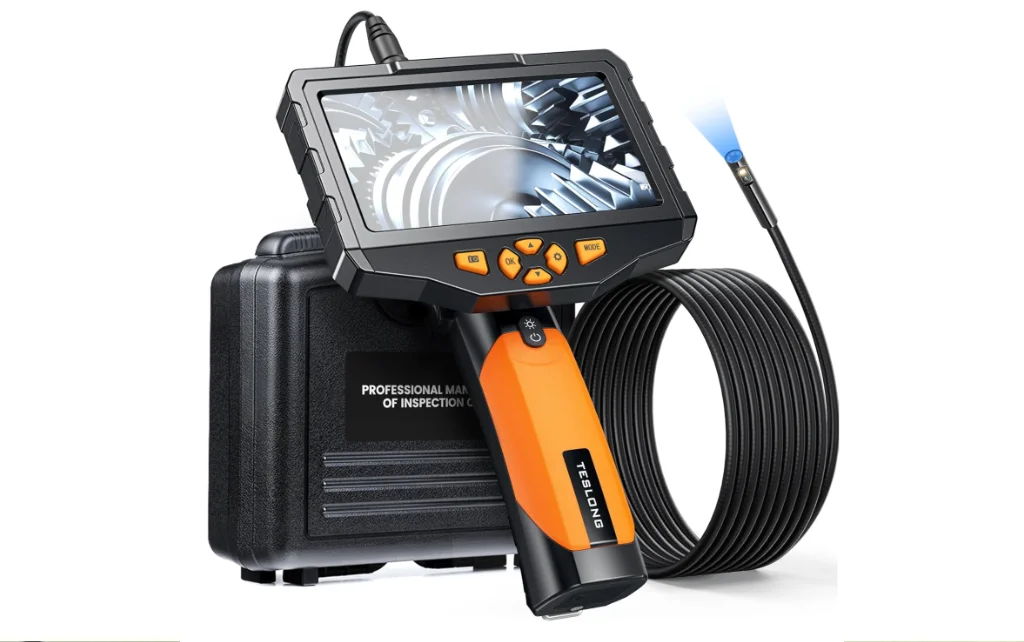
Borescope camera
borescope camera is a small inspection camera attached to a flexible semi-rigid cable that allows you to see inside areas that are otherwise inaccessible.

Drone Inspection
A drone is a remotely operated aerial device equipped with a camera that allows visual inspection from above without the need for scaffolding or ladder.
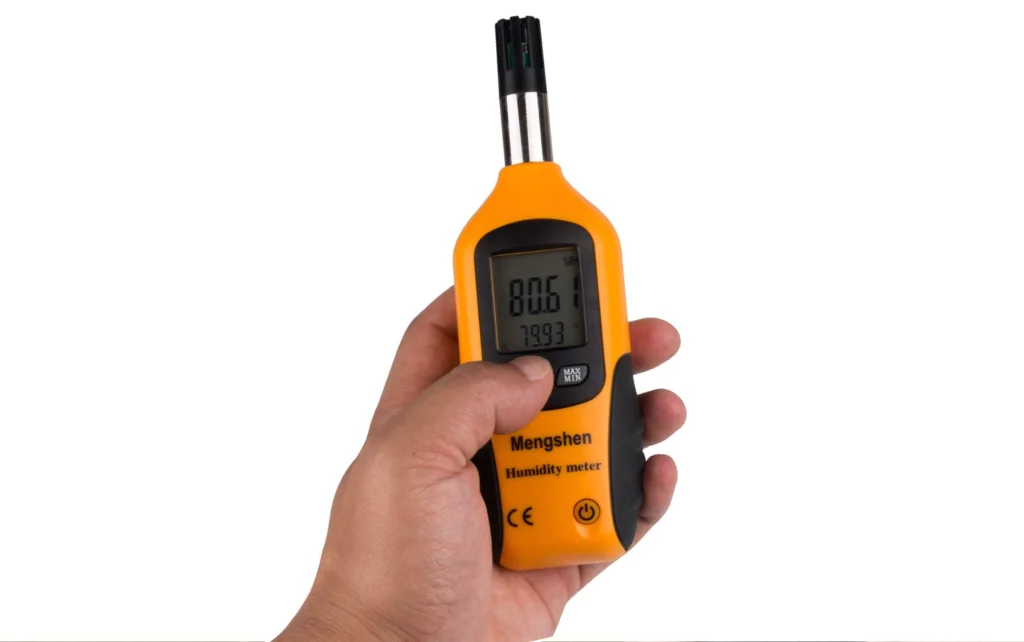
Air Humidity Sensor
Air humidity sensor measures the amount of moisture present in the air, expressed as relative humidity (RH) in percentage. It helps determine whether indoor conditions are contributing to condensation, mould growth, or damp-related issues.
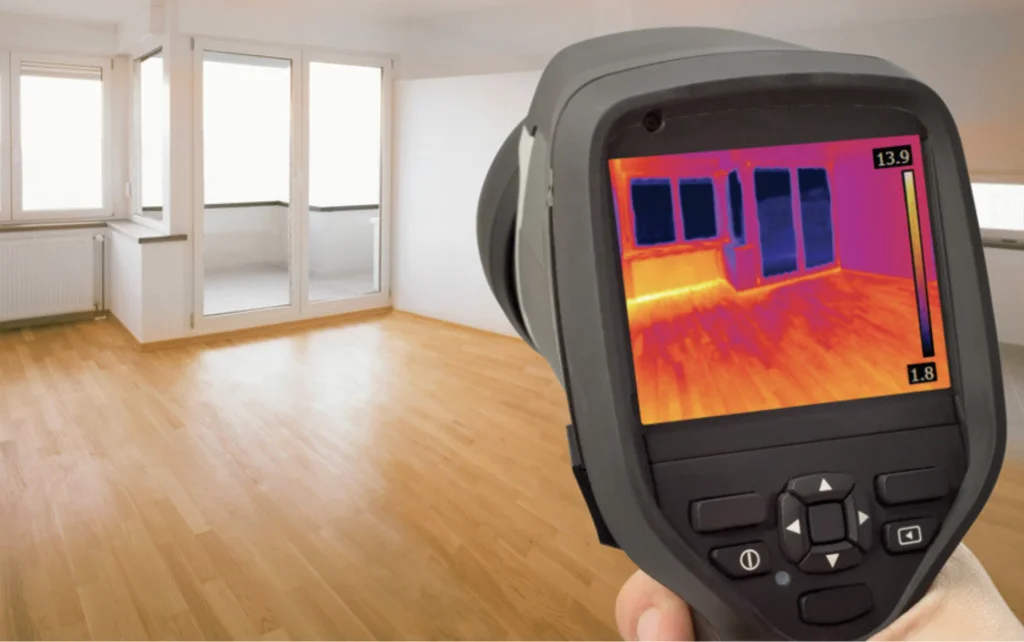
Thermal Imaging Camera
A thermal imaging camera detects temperature differences on surfaces by using infrared technology to produce a heat map image. In damp investigations, it helps identify cold spots, moisture intrusion, insulation defects, thermal bridging and leaks.
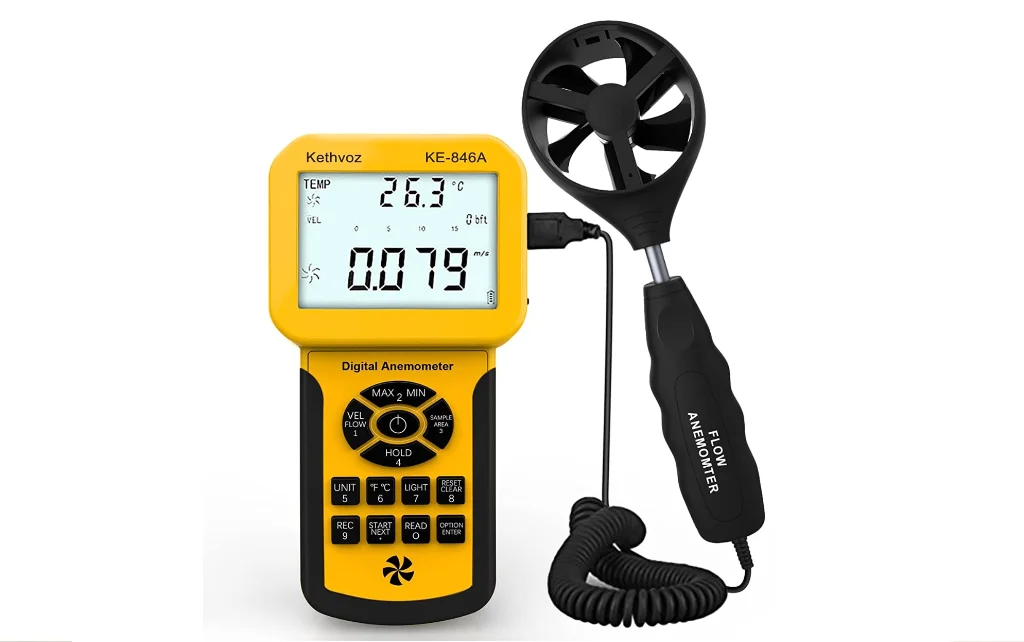
Air Flow Ventilation Detector
An air flow ventilation detector measures the movement and volume of air passing through vents, extractor fans, and air bricks. It confirms whether ventilation systems are working properly and achieving adequate air changes within a room. Poor airflow leads to trapped moisture, high humidity, condensation on cold surfaces, and ultimately mould growth.

Mould Lab Swab Testing
A mould swab test is carried out to confirm the presence of hidden mould growth and identify the specific species involved. Surface mould is not always visible, especially behind furniture, inside cavities, or within ventilation systems. Laboratory analysis of a swab sample determines whether active mould spores are present and what type they are, which helps assess potential health risks and decide the correct remediation approach rather than relying on visual assumption alone.
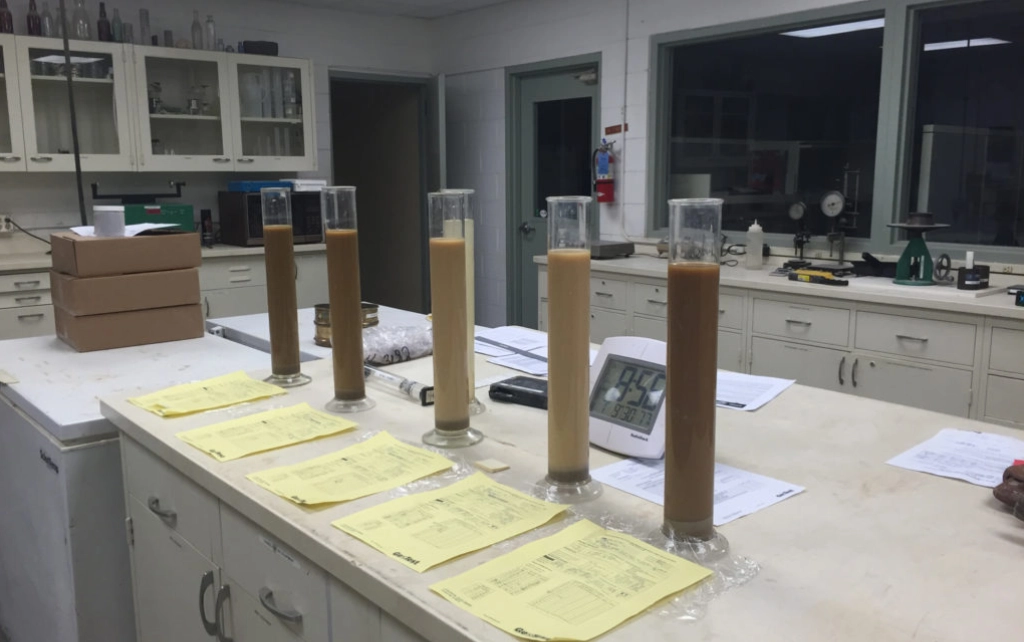
Lab Analysis of Plaster
Laboratory analysis of plaster is used to identify the type of salts present within the material, typically chlorides and nitrates. The presence and concentration of these salts help determine whether the moisture source is consistent with rising damp, ground contamination, or another forms [sic] of water ingress. such as mains water leak, This removes guesswork and prevents misdiagnosis, ensuring the correct remedial treatment is specified rather than applying unnecessary or ineffective solutions.
Contact Us
If you have some questions, please complete this form:
Book and Pay for a survey
If you are ready to book a survey and pay, please complete this form:

Contact Us
If you have some questions, please complete this form:
Book and Pay for a survey
If you are ready to book a survey and pay, please complete this form:
Contact Us
If you have some questions, please complete this form:
Book and Pay for a survey
If you are ready to book a survey and pay, please complete this form: