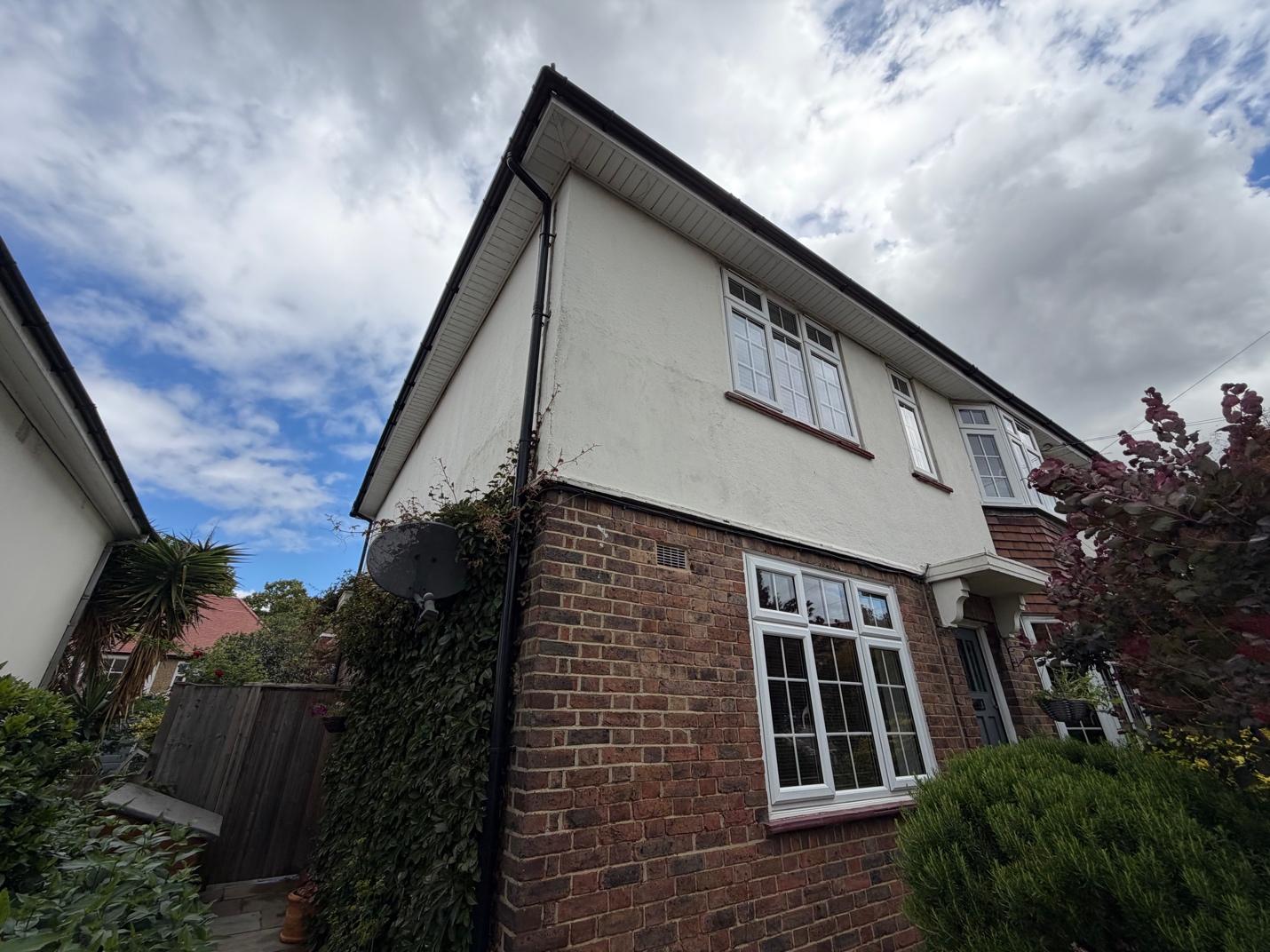
An independent Level 2 damp survey was commissioned for a ground floor flat within a residential house in Wandsworth (SW18). The property owner arranged the inspection after noticing localised wall dampness in the hallway and ceiling staining in the bathroom. Instructing an unbiased diagnostic evaluation ensured the owner received an evidence-based report, free from contractor commercial bias.
About the Issue
The homeowner observed damp patches developing along one wall in the hallway, accompanied by dark mould growth on the bathroom ceiling. Concerned that a hidden plumbing burst inside the wall cavity or ground-level rising damp was spreading through the flat, they requested a professional inspection to determine the necessary scope of repairs.
The Challenge
Executing a complete Level 2 damp survey involved inspecting all accessible internal rooms, wall surfaces, subfloors, plumbing runs, drainage points and external building elements. The diagnostic objective was to isolate the exact route of water ingress affecting the hallway masonry.
Systematic testing and visual inspection gathered clear factual evidence:
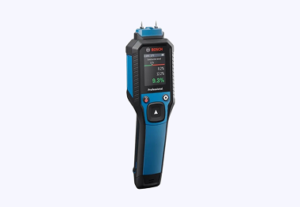
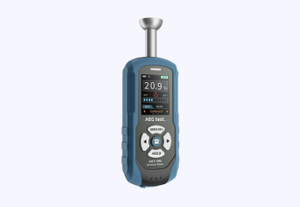
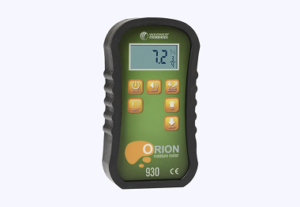
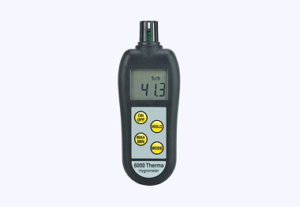
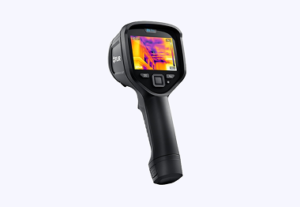
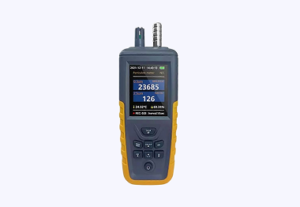
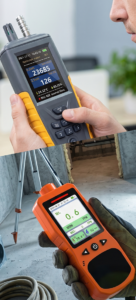
- Quantitative damp testing confirmed localised dampness isolated strictly to one wall in the hallway area.
- Inspection of the adjacent bathroom revealed visible white staining near the bath area, indicating water had been escaping past failed surface silicone sealant during shower use and tracking into the adjoining hallway wall.
- Full checks across accessible plumbing pipework, supply lines and drainage outlets confirmed zero active pipe or drain leaks.
- Bathroom ceiling mould was confirmed as surface-level condensation caused by insufficient ventilation during showering rather than structural water penetration.
- All accessible timbers were completely free from dry rot, wet rot and woodworm and the external building fabric showed no defects or penetrating damp.
All other internal walls and rooms throughout the ground floor flat were tested and confirmed dry. The diagnostic reasoning established that the hallway dampness was driven entirely by surface bath sealant failure rather than a structural building fault.
The Solution
To eliminate water escape, resolve the hallway dampness and improve bathroom air quality, the report outlined a straightforward remedial plan:
- Remove the failed silicone sealant around the bath/shower area and replace it with a high-quality, sanitary-grade silicone.
- Allow the affected hallway wall to dry out naturally once the sealant leak has been stopped, with no major damp-proofing treatments required.
- Clean and treat the bathroom ceiling mould using a suitable mould wash.
- Improve bathroom ventilation by operating the extractor fan consistently during and after showering to remove humid air.
The Outcome
The property owner gained total peace of mind, discovering that their flat was structurally sound and completely free from pipe leaks, timber rot, or rising damp. By choosing an independent survey, they avoided paying for unnecessary, invasive damp proofing treatments, resolving the issue through minor sealant renewal and basic ventilation habits.
Why This Case Matters
Water escaping past degraded bath sealant frequently travels through wall junctions to create damp patches in adjoining rooms like hallways. Independent diagnostic surveys evaluate sanitary fittings alongside wall moisture, ensuring property owners address simple silicone failures rather than purchasing expensive, unneeded damp proofing injections.