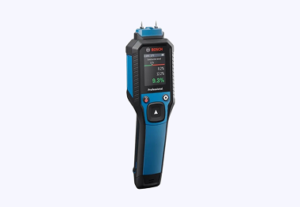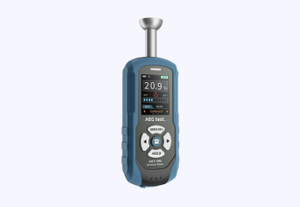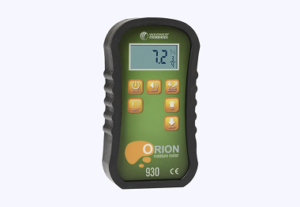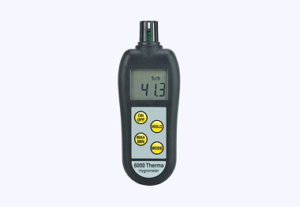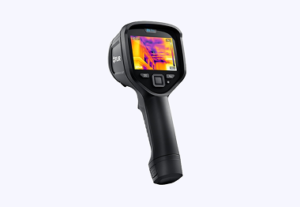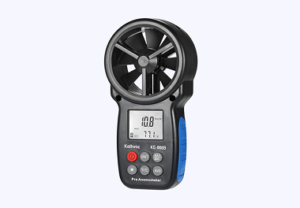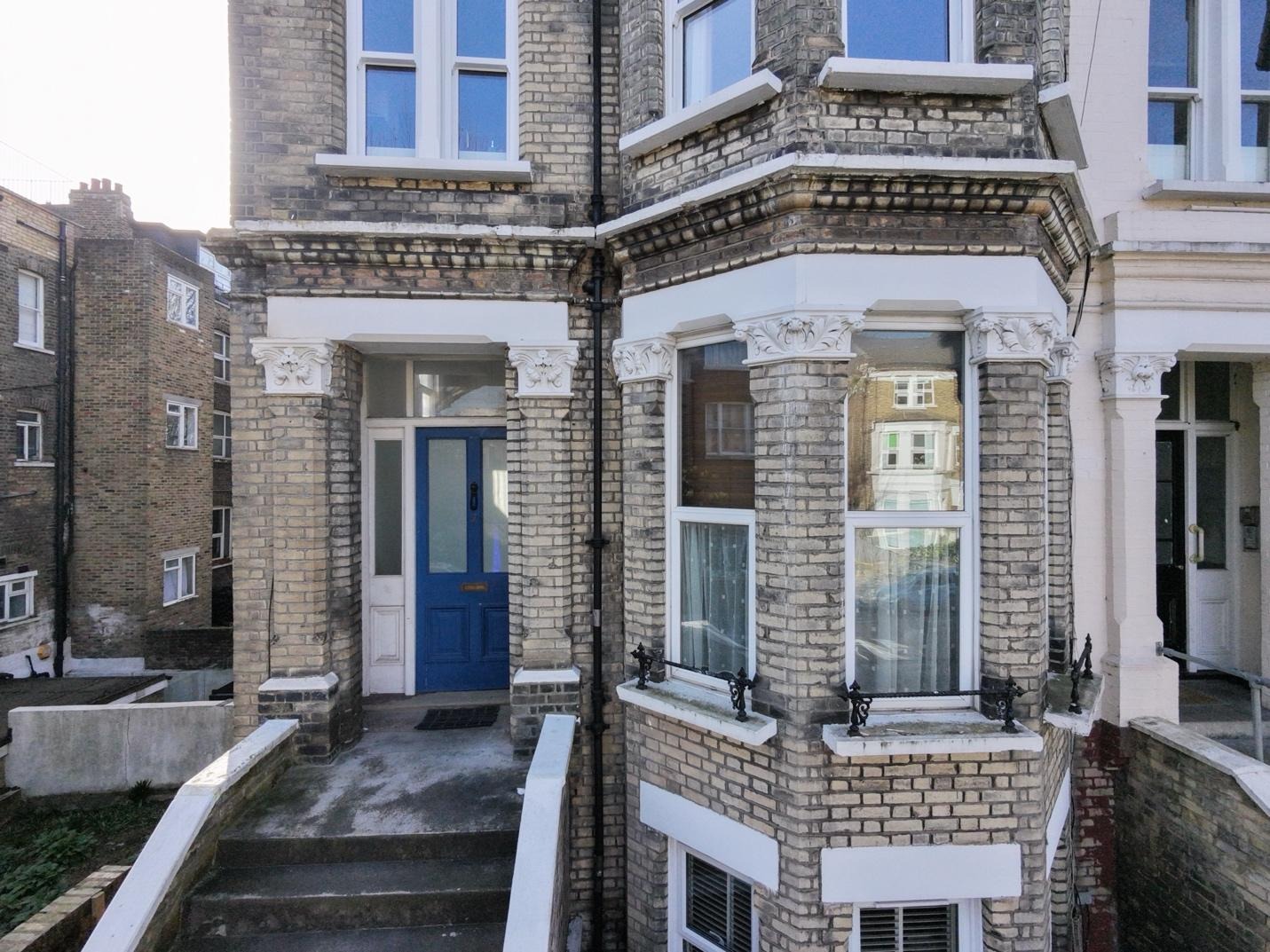
A Level 3 damp survey was conducted on a top-floor flat in Cricklewood (NW2). The property owner instructed an independent investigation after noticing recurring water marks on ceilings in multiple rooms. The survey provided a top-to-bottom diagnostic evaluation to identify the root cause of the moisture.
About the Issue
Discolouration along the hallway ceiling and wall-to-ceiling junction, on the bathroom ceiling and near a kitchen ceiling corner raised concerns for the homeowner. They worried that water was leaking from concealed pipework or that internal humidity was causing severe condensation.
The Challenge
Executing the Level 3 survey required evaluating living areas, testing internal air parameters, inspecting mechanical extractors and checking external roof coverings. The goal was to separate atmospheric moisture issues from liquid water penetration.
The investigation produced key physical measurements and visual findings:
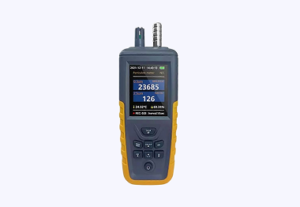
- Environmental testing registered internal humidity at 54.7% relative humidity, confirming a healthy indoor atmosphere not prone to condensation.
- Anemometer testing verified the bathroom extractor fan was functioning correctly and providing adequate ventilation.
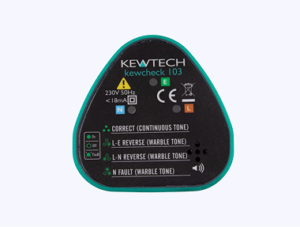
- Comprehensive testing of visible pipework, drains, pointing, DPC and structural timbers confirmed no plumbing leaks, sound brickwork and zero dry rot, wet rot, or woodworm.
- Roof-level assessment showed the roof was in reasonable condition with signs of historic repair work, but highlighted loose and lifting sections of lead flashing around vulnerable junctions.
Diagnostic analysis proved that water was penetrating externally past degraded lead flashing during heavy rainfall and wind-driven weather, tracking into the ceiling structures of the kitchen, bathroom and hallway.
The Solution
The report detailed a straightforward exterior repair sequence:
- Repair and secure the loose and lifting lead flashing around vulnerable junction points on the roof.
- Allow sufficient time for the affected internal ceiling areas to dry out completely.
- Repaint and redecorate affected ceiling surfaces once dry.
The Outcome
The property owner gained complete peace of mind that their home’s internal pipework and timbers were fully sound. Armed with an independent diagnostic report, they avoided spending on redundant internal damp proofing and directed their resources toward fixing the external flashing.
Why This Case Matters
High-level water staining can lead property owners to fear severe building defects. Independent damp specialists use quantitative environmental testing and structural checks to isolate minor exterior maintenance items, protecting building owners from over-engineered contractor quotes.