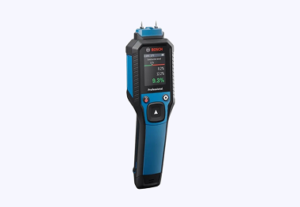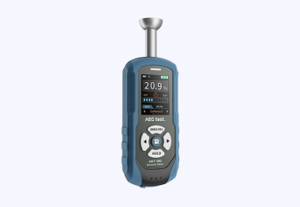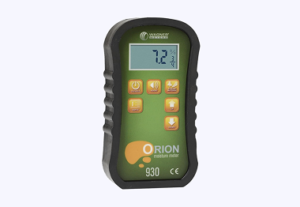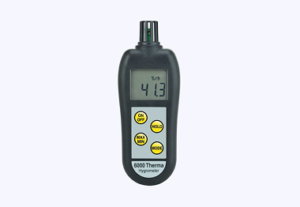
This Level 3 damp survey was undertaken for a multi-storey residential property in Islington (N1). The property owner instructed an independent survey to identify the precise sources of moisture ingress affecting different rooms across four floors. The comprehensive inspection provided an objective evaluation of the building envelope and internal finishes.
About the Issue
The homeowner observed damp patches in a top-floor bedroom, water dripping from a skylight, ceiling staining below a bathroom and minor dampness near lower ground folding doors. Fearing that structural decay was setting in, they requested an expert investigation to establish an accurate repair plan.
The Challenge
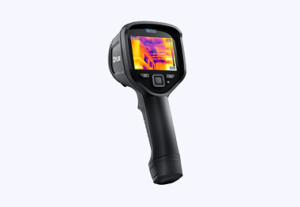
The surveyor performed a thorough Level 3 investigation across all floors, testing wall surfaces, checking plumbing runs, assessing high-level roof junctions and measuring indoor air humidity.
Diagnostic testing produced clear results:
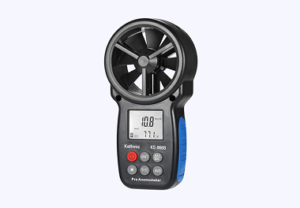
- Environmental humidity meters recorded internal air readings between 46.1% and 47.3%, showing normal conditions across the property.
- Top floor testing confirmed active leaks from an unsealed skylight and en suite ceiling vent, penetrating damp behind the rear bed from unsealed lead flashing and windowsill moisture from unsealed window frames.
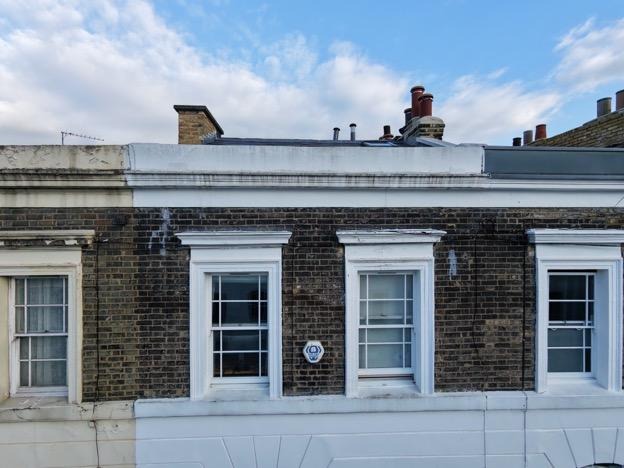
- First floor checks identified penetrating damp in the front room top left corner due to an unprotected front parapet wall, alongside an inactive, dry historic leak stain in the computer room.
- Ground floor inspection revealed an active plumbing leak on the ceiling below the first-floor toilet, as well as front bedroom mould caused by high llocalisedhumidity; lower ground checks recorded a glass roof pillar junction leak and slight low-level rising damp right of the rear folding doors.
Structural checks confirmed the building was sound, with intact brickwork and pointing and zero evidence of dry rot, wet rot, or woodworm in accessible timbers.
The Solution
The report detailed a clear, trade-allocated action plan to address all active defects:
- Roofing Work: Fully reseal the skylight, repair and reseal lead flashing behind the bed, seal affected top-floor windows, fit protective metal flashing to the front parapet wall and reseal the glass roof junction at the pillar.
- Plumbing Work: Repair the leaking toilet pipework above the ground floor ceiling.
- General Maintenance: Clean and treat front bedroom mould, operating a dehumidifier set to approximately 55% humidity on automatic mode.
- Decorating Work: Allow damp areas to dry naturally, then apply a stain-blocking primer and redecorate.
- Ongoing Monitoring: Monitor the low-level moisture right of the lower ground folding doors once external repairs are complete.
The Outcome
The property owner received definitive proof that their home was structurally dry and free from timber decay. Choosing an independent specialist survey saved them from unnecessary, expensive wall tanking, directing their budget strictly to necessary roof, window and plumbing repairs.
Why This Case Matters
External sealing defects on skylights, windows and parapet walls can allow rainwater to track into internal masonry, creating symptoms that look like rising or penetrating dampness. Independent surveys pinpoint exact external water entry points, protecting building owners from redundant internal damp treatments.