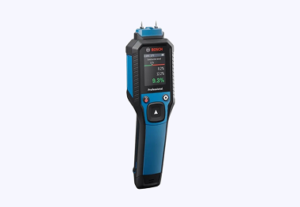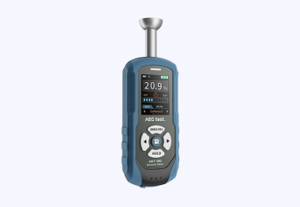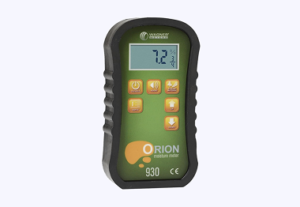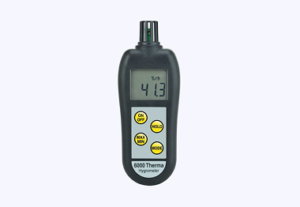
An independent Level 3 damp survey was carried out on a top-floor flat in Cricklewood (NW2). The property owner requested the survey to investigate water marks on ceilings in several areas of the property. The comprehensive check delivered complete clarity across all internal spaces and external roof coverings.
About the Issue
Concerns arose after the homeowner identified damp staining near the kitchen ceiling corner, on the bathroom ceiling and along the hallway ceiling and wall-to-ceiling junction. They feared that structural timber rot or hidden pipework leaks were damaging the building.
The Challenge
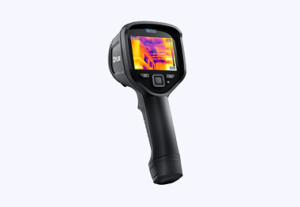
The surveyor performed a thorough Level 3 investigation, testing wall and ceiling surfaces, checking mechanical ventilation, inspecting plumbing runs and examining roof detailing.
The physical investigation established several key points:
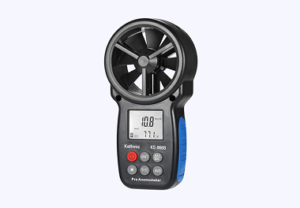
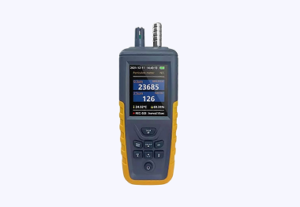
- Air humidity testing registered 54.7% relative humidity, sitting within normal residential parameters.
- Extractor fan testing in the bathroom confirmed proper operational airflow.
- Inspection of plumbing, drainage, brickwork pointing, DPC and structural timbers showed sound conditions with zero leaks, rot, or woodworm.
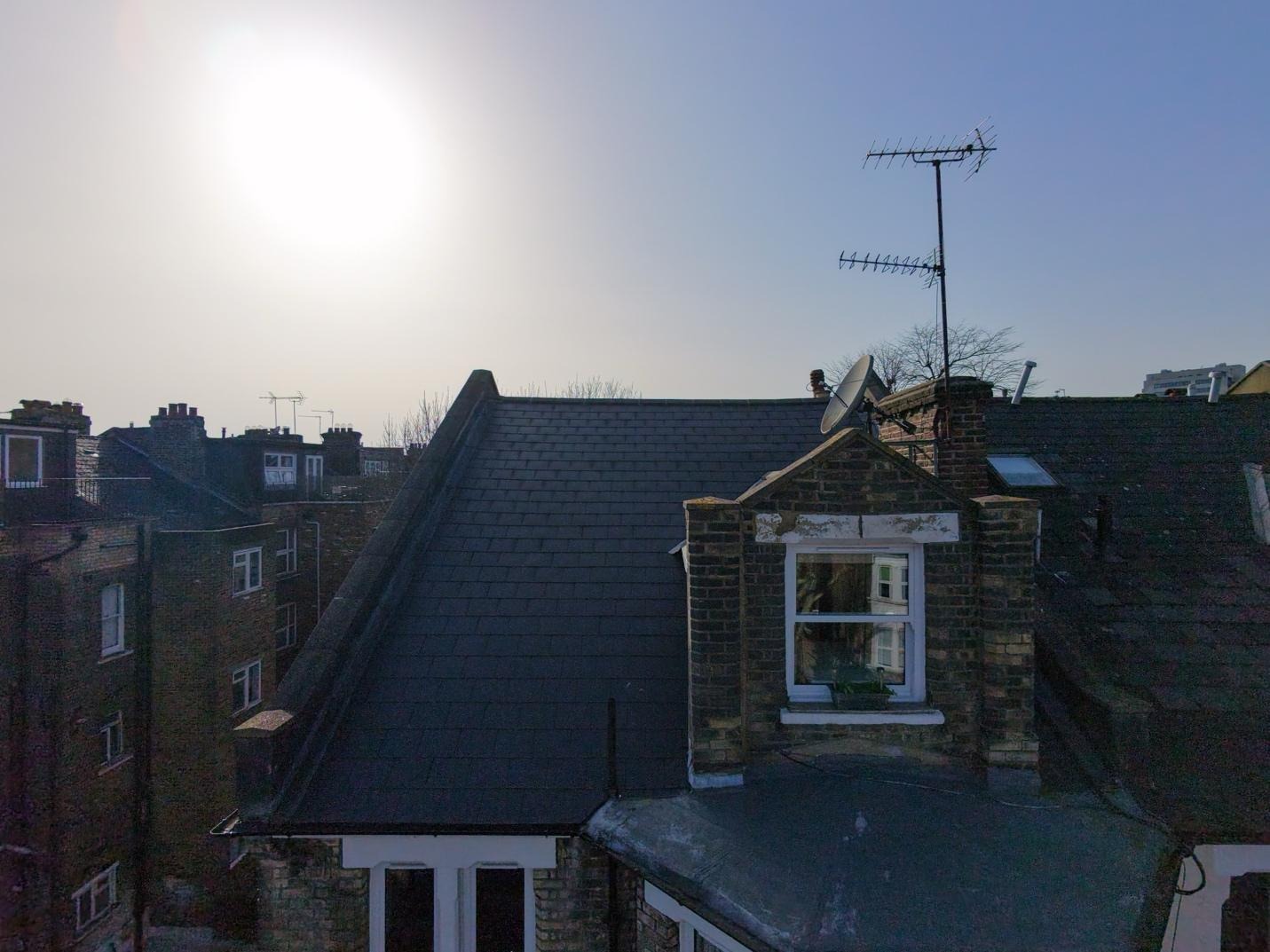
- Roof appraisal revealed that while the roof was generally in reasonable condition with past repair work visible, lead flashing around vulnerable junctions was loose or lifting.
Diagnostic reasoning confirmed that wind-driven rainwater was entering through lifting lead flashing, tracking along roof timbers and creating localised internal ceiling staining.
The Solution
The report detailed a simple remedial action plan focused on external roof repairs:
- Instruct a qualified roofer to repair defective lead flashing around vulnerable junction points.
- Allow affected ceiling areas sufficient drying time before decorating.
- Redecorate ceiling surfaces once dry.
The Outcome
The homeowner received definitive proof that their flat was structurally sound and free from internal leaks. Choosing an independent specialist survey saved them from spending money on unnecessary internal treatments, directing their budget strictly toward fixing external roof flashing.
Why This Case Matters
Water ingress from lifting roof flashing can manifest in multiple ceiling locations, giving the impression of widespread structural dampness. Independent diagnostic surveys pinpoint external entry points, preventing homeowners from wasting money on internal damp proofing when simple roof maintenance is required.