An independent Level 3 damp survey was commissioned for a two-storey first-floor flat in Balham (SW12). The property owner arranged the comprehensive evaluation after observing horizontal moisture staining along the upper section of the main bedroom chimney breast. Instructing an unbiased diagnostic survey ensured the owner received an evidence-based report free from contractor commercial bias.
About the Issue
The homeowner noticed flaking paint and damp patches extending across the top of the bedroom chimney breast wall, spanning from the left-hand side to the right-hand side of the fireplace structure. In addition, paint was flaking on the bathroom ceiling. Fearing an active internal plumbing leak or widespread structural failure, they requested a professional inspection to determine the precise cause before undertaking interior redecoration.
The Challenge
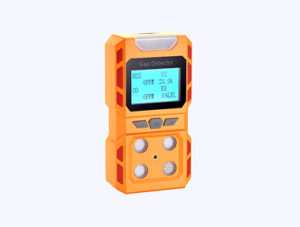
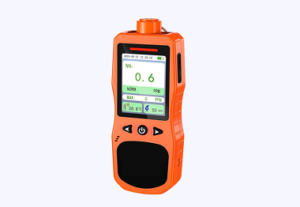
Executing a complete Level 3 damp survey involved inspecting all accessible internal rooms, wall masonry, ventilation equipment, microclimate humidity levels and high-level external roof coverings.
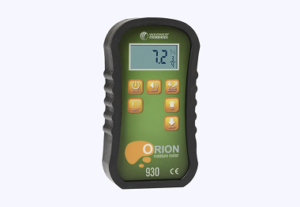
Systematic testing, thermal imaging and physical checks gathered clear factual evidence:
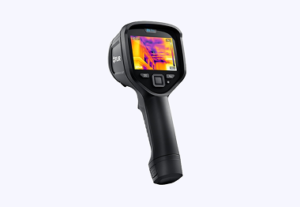
- Thermal imaging confirmed cold bridging and moisture accumulation isolated strictly to the upper horizontal band of the bedroom chimney breast wall.
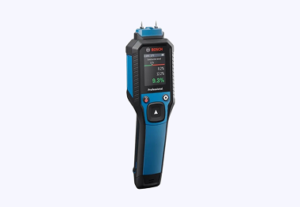
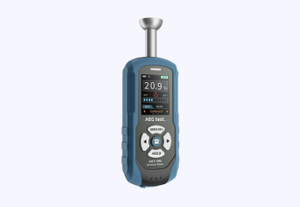
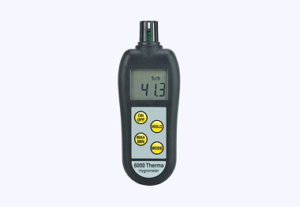
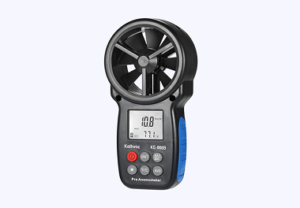
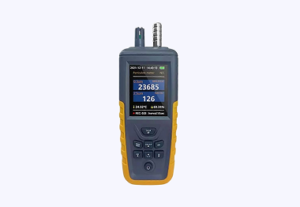
- Environmental testing recorded internal humidity at 53.5%, which is within an acceptable residential range, confirming the bedroom dampness was caused by external water penetration rather than general atmospheric condensation.
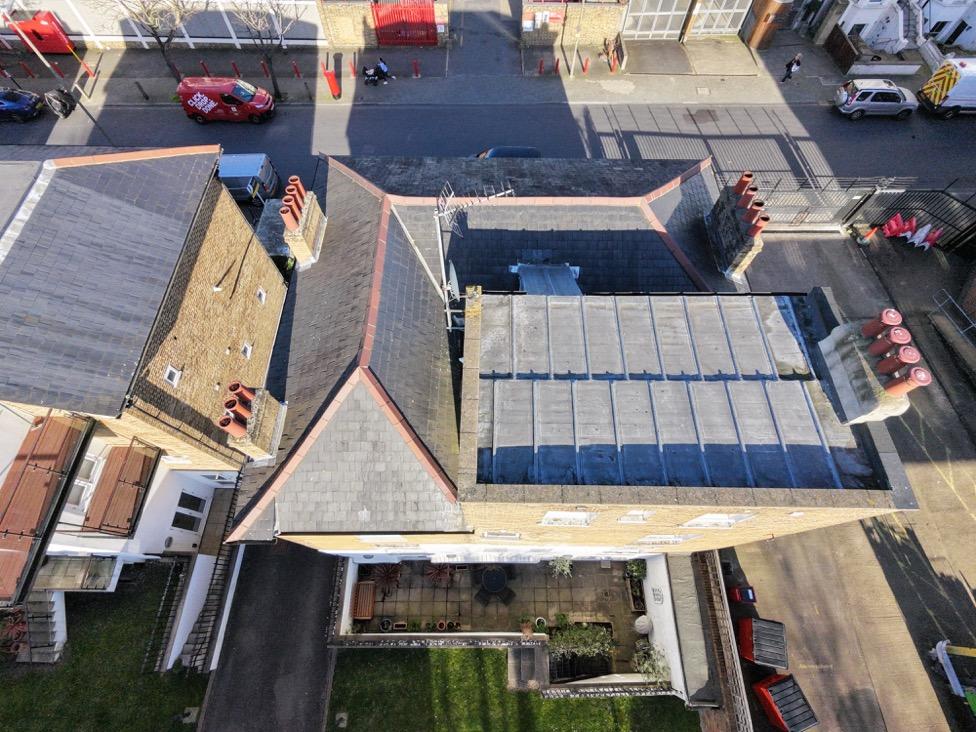
- Inspection of the roof directly above revealed a flat roof construction and faulty flashing around the chimney stack, as well as missing chimney caps on open flues, allowing rainwater to penetrate the chimney structure.
- Further checks confirmed that the bathroom paint flaking was caused by localised humidity from a non-operational extractor fan, while the bedroom fan was also failing to extract air effectively.
- The original damp proof course (DPC) was visible and satisfactory; external brickwork was structurally sound and zero rising damp or plumbing leaks were detected anywhere in the flat.
The diagnostic reasoning established that rainwater was entering the top of the chimney stack via defective flashing and uncapped flues, tracking downward into the bedroom masonry below.
The Solution
To halt rainwater ingress and restore internal living conditions, the report outlined a structured remedial plan:
- Instruct a qualified roofer to repair or replace the defective flashing around the chimney stack and inspect and repair the flat roof covering above the bedroom.
- Install appropriate chimney caps on all open chimney pots to block direct vertical rainwater entry.
- Allow the affected internal bedroom chimney breast wall to dry out naturally post-repair before applying fresh paint finishes.
- Repair or replace the non-functioning extractor fans in both the toilet and bedroom to restore adequate mechanical ventilation.
The Outcome
The property owner gained complete diagnostic clarity, discovering that their home was structurally sound and completely free from internal plumbing leaks or rising damp. By choosing an independent survey, they avoided paying for unnecessary internal damp proofing injections or wall tanking, resolving the problem through targeted roofer repairs and basic fan replacements.
Why This Case Matters
High-level dampness on upper-floor chimney breasts is frequently misdiagnosed as internal plumbing failure or condensation. Independent diagnostic surveys use infrared thermal imaging and roof-level inspections to pinpoint missing chimney caps and defective flashing, protecting homeowners from misdirected internal construction costs.