Level 3 Damp Survey in Holloway (N7)

Back to all Case Studies
Level-3-Damp-Survey-in-Holloway-N7.jpg

An independent Level 3 damp survey was commissioned for a multi-storey residential property in Holloway (N7). The property owner arranged the inspection after observing water staining on upper-floor internal walls. Seeking an objective, specialist assessment, they instructed a full building health check to determine the exact origin of the moisture ingress.

About the Issue

The homeowner noticed damp patches appearing beneath a staircase window on the upper flight of stairs and near the top left-hand side of a front window in the top-floor bedroom. Concerned that these isolated patches signalled systemic roof failure, structural movement, or rising damp, they required a diagnostic survey to pinpoint the precise defects before committing to internal repairs.

The Challenge

The diagnostic process began at roof level using drone inspection technology before progressing downward through the internal living spaces. The survey aimed to evaluate the complete building envelope, tracing internal damp signs back to specific external defects while verifying structural integrity.

Key findings recorded during the multi-stage assessment included:

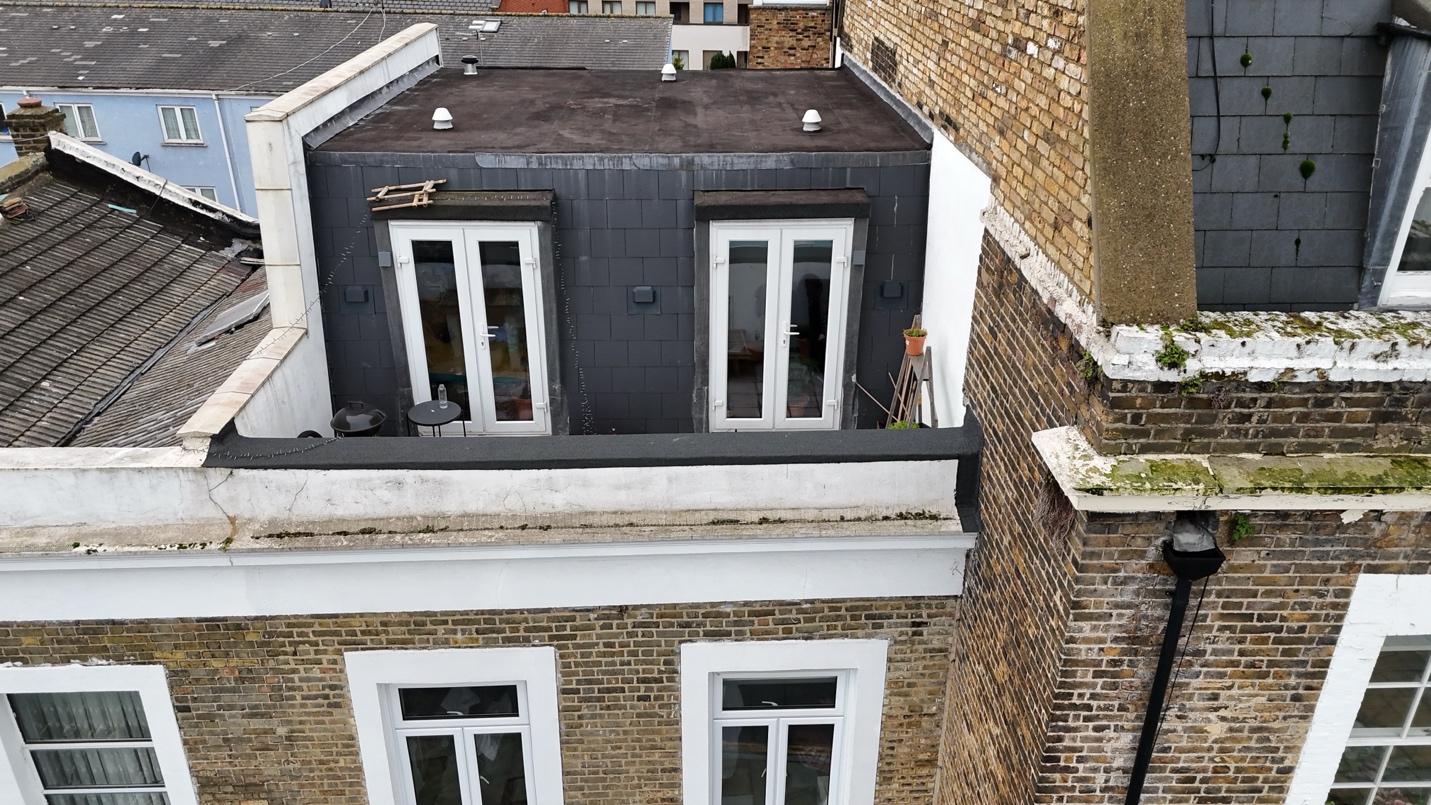
  • Drone imagery revealed that the top flat roof felt membrane was in very poor condition with inadequately sealed joints and loose flashings, alongside a defective roof gully adjacent to the staircase wall.
  • Standing water and water pooling were identified on the top-floor balcony due to inadequate drainage or insufficient fall, while the top-floor bathroom extractor fan was non-operational (only the second-floor extractor fan functioned properly).
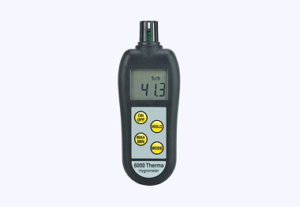
  • Hygrometer testing confirmed internal air humidity was within a satisfactory range and a ventilation flow test on the operational fan verified proper air exchange volume.
  • Thorough inspection confirmed no wood rot or woodworm in accessible timbers, an intact and serviceable damp proof course (DPC), no plumbing leaks and sound structural condition with intact brickwork pointing throughout.

The diagnostic reasoning directly linked internal damp below the staircase window to the defective roof gully outside. Similarly, penetrating damp at the top-floor bedroom window was caused by failed external sealant, localised pointing defects and potential lateral tracking from standing water on the balcony.

The Solution

Addressing the damp requires targeted external maintenance rather than internal structural interventions. The report recommended a clear remedial plan:

  • Instruct a qualified roofing contractor to inspect the flat roof in full, reseal or renew defective felt joints, repair or replace loose flashings and repair the defective roof gully and outlet.
  • Inspect and clear top-floor balcony drainage outlets, checking surface falls to ensure effective discharge away from the building envelope.
  • Repair failed external window sealant and localised pointing defects around the top-floor front window frame.
  • Electrically test and repair or replace the non-functioning top-floor bathroom extractor fan, ensuring it discharges externally.
  • Allow the affected internal walls to dry out naturally using normal heating and ventilation once external repairs are finished, redecorating only after moisture testing confirms acceptable dry levels (typically within a few weeks).

The Outcome

By commissioning an independent investigation, the homeowner avoided spending on unnecessary internal damp proofing or chemical treatments. The survey isolated the issue to routine exterior maintenance, providing a direct roadmap to make the property watertight and allow internal plaster to dry naturally.

Why This Case Matters

Trace-and-access methodology using modern tools like high-resolution drones prevents costly misdiagnoses. When internal damp appears high up in a property, uncertified contractors often suggest invasive internal plastering or tanking; an independent survey accurately pinpoints exterior drainage and sealant defects, saving the owner from redundant internal building work.

Why was a drone used during the damp survey?

The drone allowed a safe, highly detailed inspection of the top flat roof, flashings, balcony surface and high-level roof gullies that are otherwise difficult to inspect from ground level.

Does the property require a new damp proof course (DPC)?

No. The inspection confirmed that the existing DPC is completely intact and serviceable, with zero evidence of rising damp anywhere in the building.

Were any active plumbing leaks or timber decay discovered?

No. Comprehensive leak testing on accessible pipework found no leaks and all visible structural timbers were confirmed free from wood rot and woodworm.

Trace the exact cause of moisture issues in your property with an expert evaluation.

Damp Survey Costs

Transparent pricing with no hidden fees for our independent, unbiased surveys.

Level 1

Level 1

£199 + VAT

What’s included:

  • Inspection of walls
  • Inspection of floors
  • Inspection of ceilings
  • Leak inspection of drains and plumbing
  • Damp information and prevention guide
Level 2

Level 2

£299 + VAT

What’s included:

  • Everything in Level 1
  • Dry rot inspection
  • Wet rot inspection
  • Woodworm inspection
  • Damp information and prevention guide

 Survey Add Ons

Add On 1

£299 + VAT
Lab Analysis Of Plaster

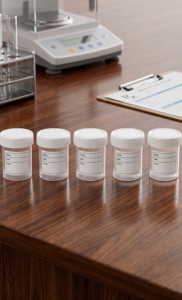
Laboratory analysis Of plaster identifies hygroscopic salts such as chlorides and nitrates. which indicate whether damp is caused by rising groundwater or by plumbing leaks, This testing removes guesswork, allowing the exact source of moisture to be identified so the correct treatment is applied rather than carrying out unnecessary damp-proofing work.

Add to Survey Add to Survey

Add On 2

£299 + VAT
Mould Lab Swab Testing, qPCR on DNA

qPCR DNA mould testing detects microscopic mould spores that are invisible during a normal inspection and van remain hidden behind walls, floors. or inside building rkaterials. It identifies the exact mould species present and the contamination level, allowing hidden mould problems to be confirrned and properly treated before they affect the property or occupants’ health.

Add to Survey Add to Survey

Qualifications: All our surveyors are PCA and CSRT qualified for remedial treatments and also CSSW qualified for structural waterproofing.
Next day report: You will receive the report within 24 hours of the inspection taking place.

The survey fee will be deducted from the cost of any recommended repairs.

These are the tools we use

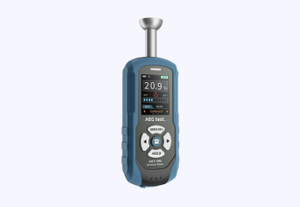
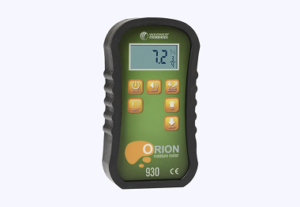
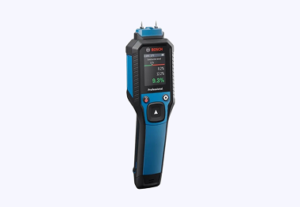
Damp Meter

Damp Meter

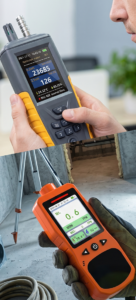
A damp meter is a diagnostic tool used to detect and measure moisture levels within building materials such as plaster, brick, timber, and concrete.

Borescope camera

Borescope camera

borescope camera is a small inspection camera attached to a flexible semi-rigid cable that allows you to see inside areas that are otherwise inaccessible.

Drone Inspection

Drone Inspection

A drone is a remotely operated aerial device equipped with a camera that allows visual inspection from above without the need for scaffolding or ladder.

Air Humidity Sensor

Air Humidity Sensor

Air humidity sensor measures the amount of moisture present in the air, expressed as relative humidity (RH) in percentage. It helps determine whether indoor conditions are contributing to condensation, mould growth, or damp-related issues.

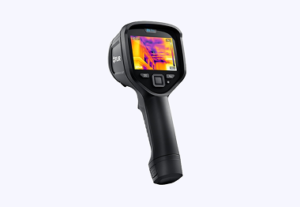
Thermal Imaging Camera

Thermal Imaging Camera

A thermal imaging camera detects temperature differences on surfaces by using infrared technology to produce a heat map image. In damp investigations, it helps identify cold spots, moisture intrusion, insulation defects, thermal bridging and leaks.

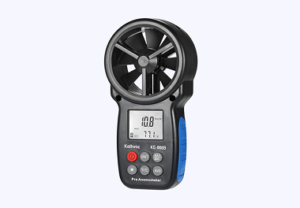
Air Flow Ventilation Detector

Air Flow Ventilation Detector

An air flow ventilation detector measures the movement and volume of air passing through vents, extractor fans, and air bricks. It confirms whether ventilation systems are working properly and achieving adequate air changes within a room. Poor airflow leads to trapped moisture, high humidity, condensation on cold surfaces, and ultimately mould growth.

Mould Lab Swab Testing

Mould Lab Swab Testing

A mould swab test is carried out to confirm the presence of hidden mould growth and identify the specific species involved. Surface mould is not always visible, especially behind furniture, inside cavities, or within ventilation systems. Laboratory analysis of a swab sample determines whether active mould spores are present and what type they are, which helps assess potential health risks and decide the correct remediation approach rather than relying on visual assumption alone.

Lab Analysis of Plaster

Lab Analysis of Plaster

Laboratory analysis of plaster is used to identify the type of salts present within the material, typically chlorides and nitrates. The presence and concentration of these salts help determine whether the moisture source is consistent with rising damp, ground contamination, or another forms [sic] of water ingress. such as mains water leak, This removes guesswork and prevents misdiagnosis, ensuring the correct remedial treatment is specified rather than applying unnecessary or ineffective solutions.

Contact Us

If you have some questions, please complete this form:

Book and Pay for a survey

If you are ready to book a survey and pay, please complete this form:

Contact Us

If you have some questions, please complete this form:

Book and Pay for a survey

If you are ready to book a survey and pay, please complete this form:

Contact Us

If you have some questions, please complete this form:

Book and Pay for a survey

If you are ready to book a survey and pay, please complete this form: