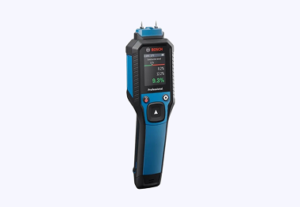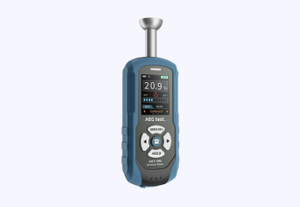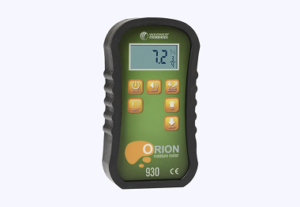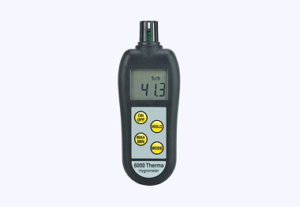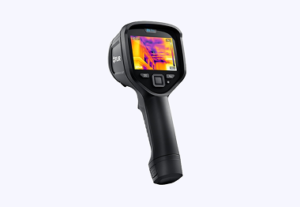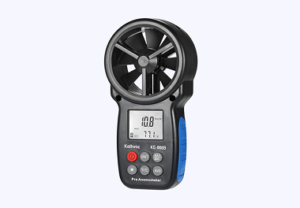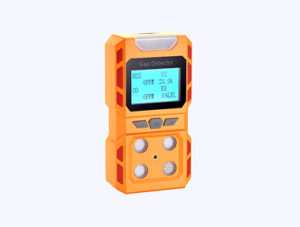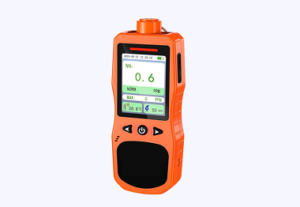
A Level 2 damp survey was conducted on a ground-floor flat within a house in Wandsworth (SW18). The property owner instructed an independent damp specialist to evaluate reported wall dampness and bathroom ceiling mould. The assessment provided an objective diagnostic report free from contractor sales pressure.
About the Issue
Water marks on a hallway wall and surface mould on the bathroom ceiling caused anxiety for the homeowner. They worried that groundwater was rising through the floor slab or that internal drainage pipes were leaking behind decorated surfaces.
The Challenge
The surveyor performed a top-to-bottom Level 2 inspection across all accessible living spaces, sanitary fittings, pipework runs and external elevations.
Diagnostic testing produced clear physical evidence:
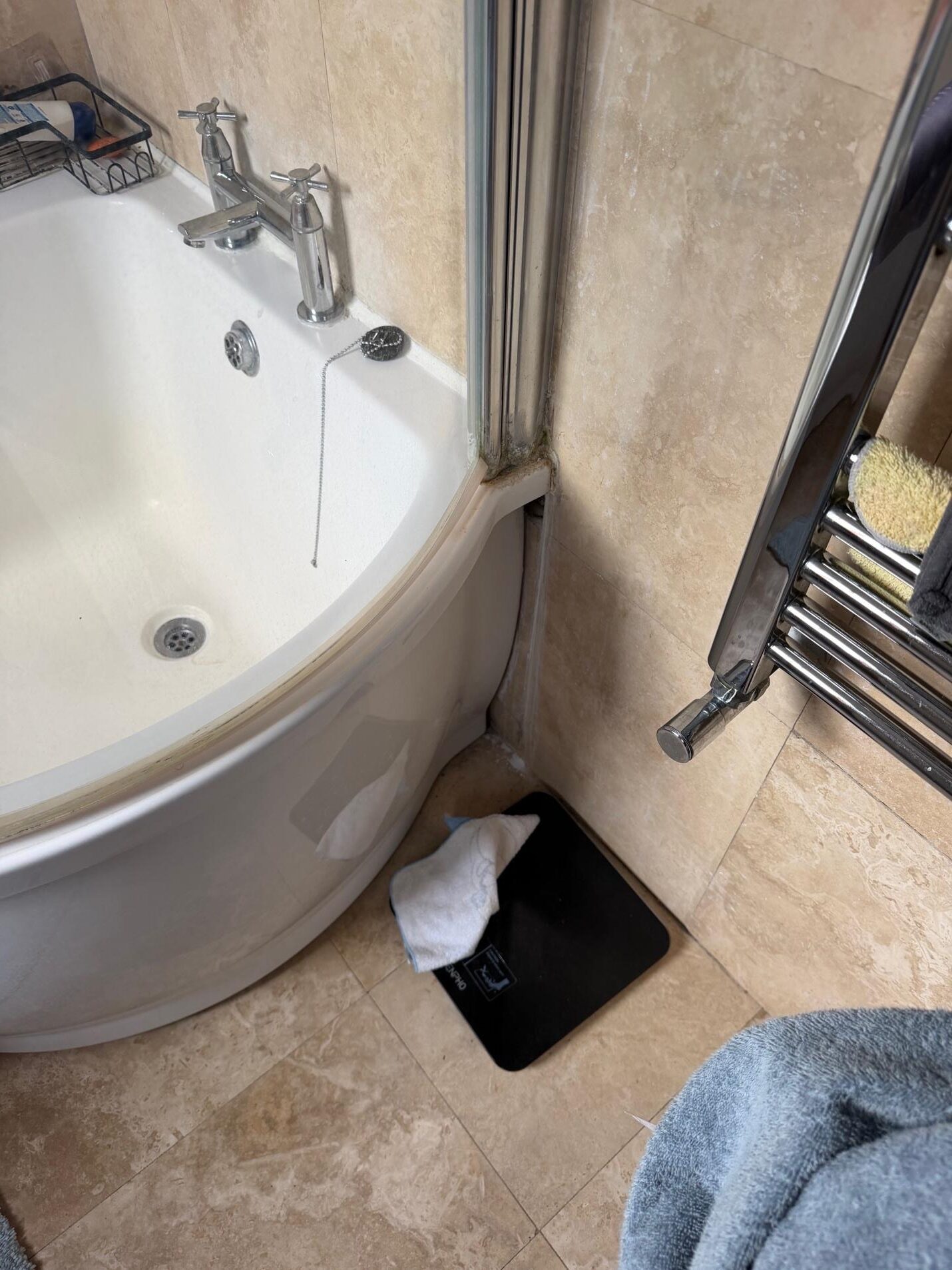
- Moisture testing confirmed dampness was isolated solely to one hallway wall, directly adjoining the bathroom bath/shower area.
- Examination of the bath surround identified failed perimeter silicone sealant and visible white staining, confirming shower runoff was escaping behind the tub and soaking into the hallway wall.
- Comprehensive testing of visible plumbing pipework and drainage runs confirmed zero active leaks.
- Assessment of the bathroom ceiling verified that dark mould growth was driven by surface condensation due to inadequate ventilation during bathing.
- Structural joinery checks confirmed zero evidence of dry rot, wet rot, or woodworm, while external building checks revealed no defects or penetrating damp.
The evidence proved that the flat was otherwise dry and sound, isolating the issue to surface sealant degradation and localised bathroom condensation.
The Solution
The report detailed a simple, 4-step action plan to reinstate the property:
- Strip out old, defective silicone sealant around the bath/shower surround and apply fresh sanitary-grade silicone.
- Permit the damp hallway wall to dry naturally without installing chemical damp-proof courses.
- Wash down and treat the bathroom ceiling mould using an appropriate fungal cleaner.
- Ensure consistent use of the bathroom extractor fan during and after showering to control atmospheric humidity.
The Outcome
The survey provided the homeowner with absolute certainty regarding their building’s structural health. Armed with an independent diagnosis, they avoided over-engineered damp-proofing proposals and resolved the defect through quick, low-cost maintenance.
Why This Case Matters
A failed silicone seal can cause localised wall dampness that looks like rising damp or severe plumbing leaks. Independent damp specialists trace physical moisture paths across adjoining rooms, protecting homeowners from misdiagnoses and unnecessary construction costs.