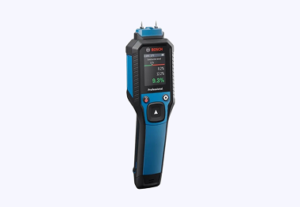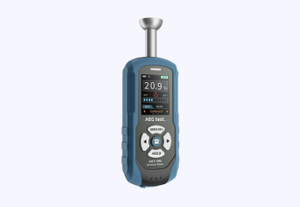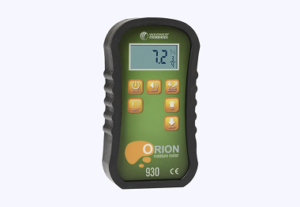
An independent Level 3 damp survey was conducted at a multi-storey residential property in Tufnell Park (N7). The property owner commissioned the assessment after spotting localised dampness inside the upper floor. The objective was to obtain an independent diagnostic health check that accurately pinpointed the cause of the dampness.
About the Issue
Water marks had formed on the wall underneath the staircase window on the upper flight of stairs, as well as on the top left side of the front window in the top-floor bedroom. The homeowner feared that these marks indicated severe roof failure, internal pipe leaks, or spreading structural damp.
The Challenge
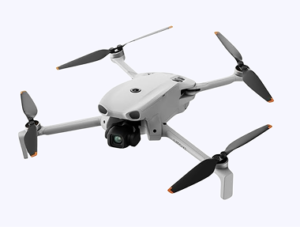
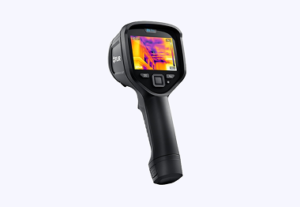
The inspection started with an aerial drone review of high-level roof coverings before moving downward through internal spaces. Diagnostic testing focused on isolating the exact pathways of water ingress while checking building fabric health.
The physical investigation established several key points:
- Aerial drone footage showed poor condition on the top flat roof covering, featuring felt membrane deterioration, unsealed joints, loose flashings and a defective roof gully beside the staircase wall.
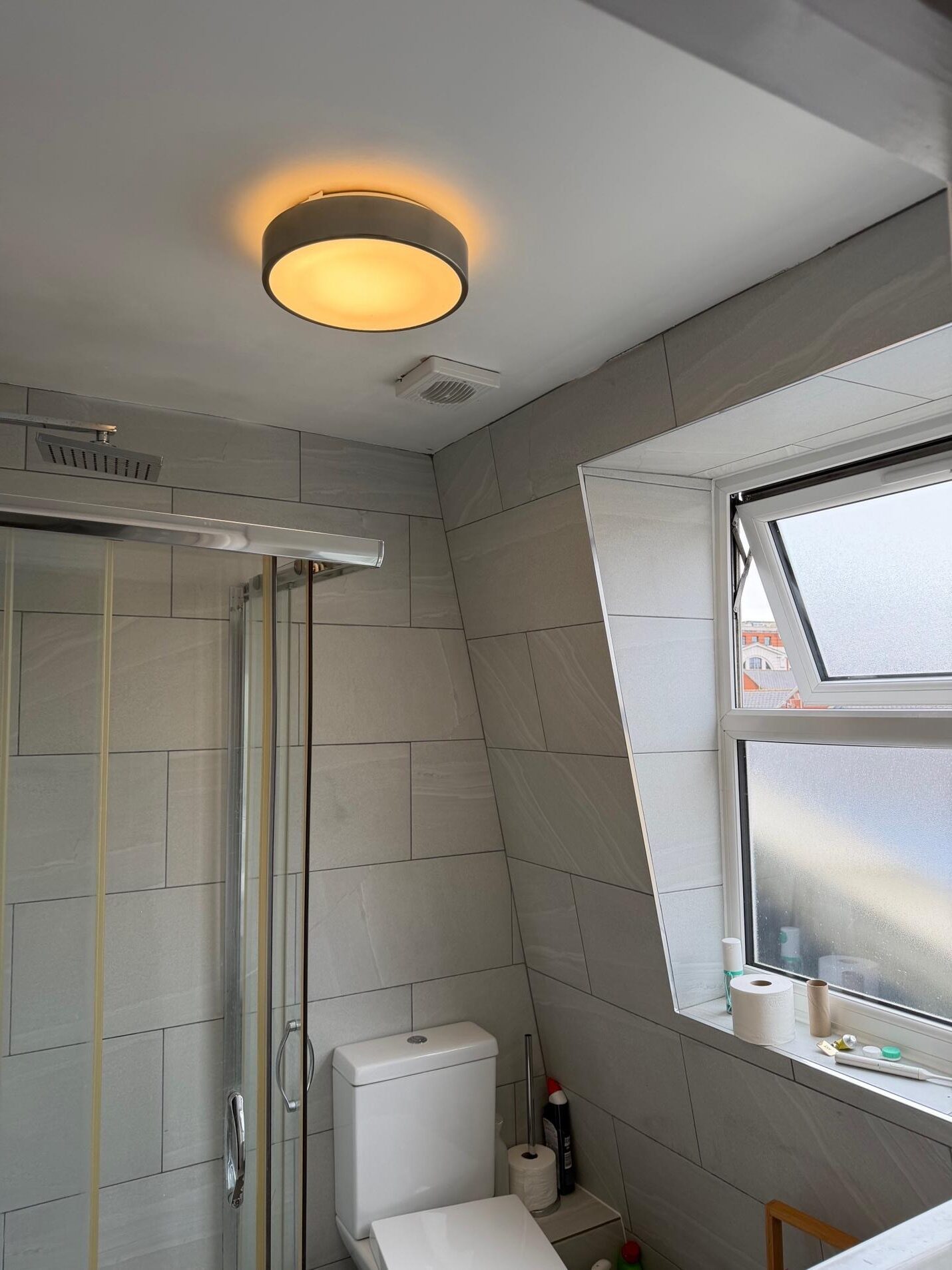
- Standing water was observed pooling on the top-floor balcony due to poor drainage or improper fall and the top-floor bathroom extractor fan was non-operational (unlike the operational second-floor fan).
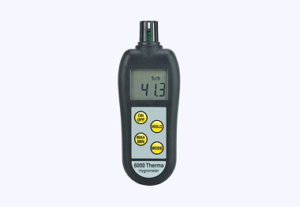
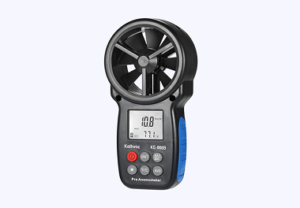
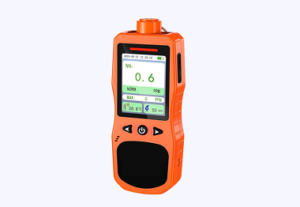
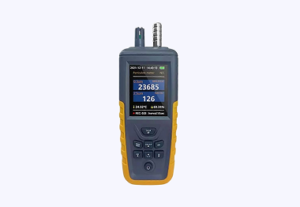
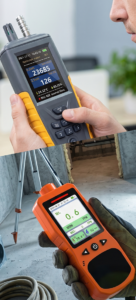
- Air humidity testing via hygrometer recorded satisfactory indoor levels, while a ventilation flow test verified that the working extractor fan expelled an adequate volume of air.
- Inspection of building components confirmed no wood rot or woodworm, an intact DPC, sound brickwork pointing, no plumbing leaks and zero structural movement.
The surveyor concluded that internal dampness was caused entirely by penetrating water from external maintenance faults. The defective roof gully directly produced dampness below the staircase window, while failed window sealant, localised pointing defects and balcony pooling combined to push moisture into the front bedroom wall.
The Solution
To make the property completely watertight, the report recommended a sequence of targeted exterior repairs:
- Engage a qualified roofing contractor to inspect the flat roof, reseal or renew defective felt joints, repair loose flashings and overhaul the roof gully and outlet.
- Clear balcony drainage outlets and adjust surface levels or falls to achieve proper water discharge.
- Replace failed external sealant and fix localised pointing defects around the top-floor front bedroom window.
- Restore the non-functional top-floor bathroom extractor fan through electrical testing, repair, or replacement with external discharge.
- Allow internal walls to dry naturally with normal heating and ventilation post-repair, redecorating only when moisture testing confirms dry conditions (typically within a few weeks).
The Outcome
The homeowner received a clear diagnosis confirming that the property was structurally healthy and free of wood rot or rising damp. They avoided invasive internal plaster stripping or chemical damp treatments, focusing their resources strictly on essential exterior roof and drainage maintenance.
Why This Case Matters
Standing water on balconies and defective roof gullies can easily pass unnoticed until moisture penetrates internal walls. Specialist diagnostic surveys locate these specific external faults, reassuring property owners that the underlying building structure remains sound.