Timber Treatment

Timber treatment takes care of woodworm and rot in your home. Many older properties in London were constructed with up to 75% timber and it stands to reason that they may be susceptible to decay, given their age. The three main decay culprits are dry rot, wet rot and woodworm, and each can cause varying degrees of damage. The damp experts at London Damp Specialists are professionals who can tackle any kind of wood or timber treatment.
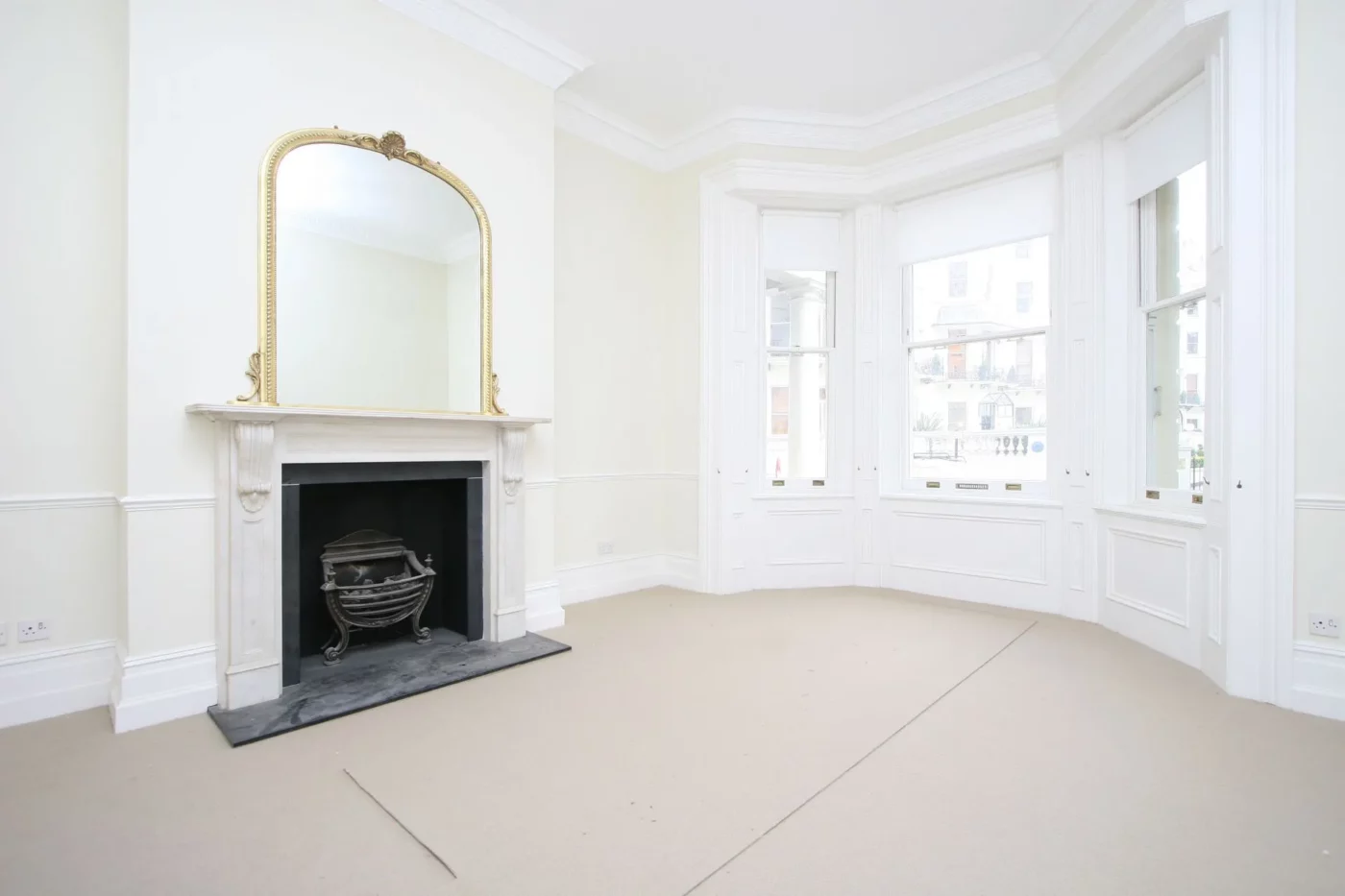



Woodworm Treatment Solutions London
London Damp Specialist use market-approved solutions and our methods of dealing with woodworm and rot are highly effective. All our work is carried out professionally and quickly, and with minimum disruption and maximum effect. We leave you with a home free from rot and with long-term peace of mind: we offer a 30-year watertight guarantee. Call us today on 020 8528 3864 if you have any rot-related worries or want woodworm treatment.
Woodworm Treatment
Woodworm is a common term for the larvae of wood-boring beetles. They lay their eggs on the surface of timber which, when they hatch, burrow into the wood and live off the timber for many years. You may be familiar with the tiny exit holes they make in the wood, which are a telltale sign of woodworm.
Woodworm is a cyclical process that needs to be broken and completely eradicated – any number of wood-boring insects can pose a big threat to a wooden structure. If we only kill off the insects, then their eggs will hatch and the problem will continue. You must choose professionals with experience in providing effective and complete woodworm treatment.
How do I know if I need woodworm treatment?
If you’ve noticed tiny bore holes in your floorboards as well as woodwork, along with dusty residue or crumbling joinery edges, woodworm may be at work. We can provide efficient woodworm prevention for any property, old or new. If you suspect you have woodworm in your home, call London Damp Specialists today on 020 8528 3864. One of our expert surveyors can inspect your timber and recommend the perfect woodworm treatment to protect your home or commercial property.
Dry Rot Treatment
Dry rot is of the most destructive conditions that can affect your property. It spreads fast, which will likely devastate wood, from underfloor battens to roof joists. This has the potential to compromise the structural integrity of your property.
What causes dry rot?
Dry rot is caused by too much moisture in wood, which could come from leaking pipes, wet window sills from condensation, rain water penetration or water ingress; any constant exposure to water. Dry rot is a fungus and spreads quickly and rapidly, literally devouring timber which is its food source. Without a doubt, it is one of the most worrying hazards of property ownership and vital to have remedied without delay.
How Do I Know if I Have Dry Rot?
One obvious sign of dry rot is when wood turns dark and discoloured, brittle, shrunk and cracked. It can also be identified by silky grey growths or strands of yellow or lilac which can be peeled off. In other cases, you might see white, fluffy, cotton wool-like fungal bodies, with soft and fleshy surfaces and spores. The wood may also give off a pungent, damp odour. If you are aware of any of these in your property, call London Damp Specialists today on 020 8528 3864 and we can identify the real problem before putting your mind at ease with our maximum effect dry rot treatment.
Wet Rot
Wet rot is the more common of wet and dry rot in buildings. It’s the collective term for several types of white rot and brown rot, all of which survive and thrive in very high moisture areas. Wet rot grows extremely close to the water source and resulting damp area, which usually occurs as a result of defects with the original build, rising damp or penetrating damp.
Often found under floorboards, you can identify wet rot by a damp and musty smell; if your floorboards have a spongy, springy feel; and swollen and misshapen structural timbers. While less destructive than dry rot, wet rot absolutely needs to be stopped in its tracks before it spreads to a large section of your property.
Timber & Wood Treatment
London Damp Specialists is expert when it comes to identifying, treating and permanently eliminating all sources of wood rot, including performing woodworm treatment. Following our thorough survey, and depending on the diagnosis, we may recommend such treatment as:
- Remove and discard any damaged timber
- Treat remaining and new timber with a dry rot resistant solution and borate wood preservative
- Stop root of moisture ingress and prevent a recurrence
- Apply timber preservative to all affected surfaces to stop woodworm larvae from hatching and re-infesting timbers
If you can see, smell or even suspect woodworm, dry rot or wet rot in your property, call us today for a survey to diagnose the problem and plan how to eliminate it on 020 8528 3864.

Customer Testimonials
We are always looking for keen trainees who want to become qualified tradespeople; work under supervision and part of the tenure would involve classroom learning. There will always be a demand for qualified surveyors and skilled damp proofers; you can expect a challenging and rewarding career.
We work with a leading insurance provider, GPI and for additional cost, you can take out a 10-year guarantee. This is an insurance-backed guarantee that is separate from our 30-year guarantee.
We do not ask for any payment until the work is dry, when you are invited to inspect the area. The cost of the survey is deducted from the cost of the remedial work. There is nothing to pay until completion.
We do not replace rotten timber, however, we can put you in touch with painters, decorators and carpenters who are competent, fairly priced and reliable. We do, however, remove timber that needs to be replaced.
It very much depends on the size of the property, the larger the house, the longer the survey will take; of course, we have to be thorough when it comes to moisture inspection, so our surveyors won’t be rushed. An average family home might be completed in 3-4 hours, but it really depends on some variables such as the weather, access and availability.
Rising damp can be identified by crumbling brickwork, masonry and mortar, damp patches on walls and ceilings, a musky small in the house, mould and mildew, while condensation on windows and walls indicate moisture in the air.

Case Studies
Our 5 Step Process
01
Initial Consultation
Tell us about your damp issue and we’ll guide you on next steps. It's an opportunity for you to ask questions and gather information.
02
Site Visit
Next, we visit your property to find the root cause of the issue. We’ll also assess the local environment, and take measurements or observations.
03
No Obligation Quote
Then we’ll send a detailed estimate of the costs involved, with no hidden extras, and provided to you without any commitment. You can review the financial aspect before making any decisions.
04
Work Carried Out
Our expert team carries out the work as planned, to the agreed timeline and quality standards, with minimum disruption to you.
05
Payment
The last step is payment, once the work’s complete, your home is dry and you’re satisfied with the results.
Professional Damp Diagnostic Equipment
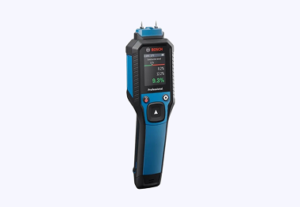
Electronic Moisture Meter
Purpose:
Takes comparative moisture readings from accessible walls, floors, ceilings and other surfaces to identify abnormal moisture patterns.
Common Uses / Notes:
Helps the surveyor map affected areas and identify patterns associated with rising damp, penetrating moisture, condensation and potential leaks. Readings support the survey but are not a diagnosis on their own.
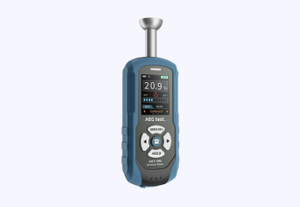
Deep-Reading Moisture Meter
Purpose:
Investigates below the immediate surface of building materials without requiring extensive removal of finishes.
Common Uses / Notes:
Helps locate moisture within walls, beneath accessible floors, inside subfloor areas and deeper within the building fabric where hidden moisture is suspected.
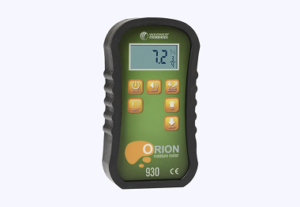
Non-Destructive Moisture Scanner
Purpose:
Checks for changes in moisture beneath walls, ceilings and flooring non-invasively without puncturing or damaging the finished surface.
Common Uses / Notes:
Ideal for decorated walls, ceilings and flooring where pin testing would be undesirable. Useful for tracing water migration paths and comparing dry areas against suspected damp sections.
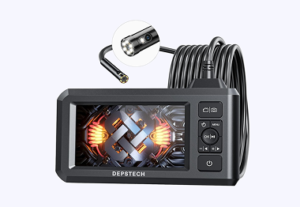
High-Definition Borescope Camera
Purpose:
Provides a close visual inspection of concealed or difficult-to-access spaces without opening up large sections of the building.
Common Uses / Notes:
Used beneath floors, inside wall cavities, behind linings and around hidden pipework to uncover leaks, hidden moisture, timber decay, or construction defects with minimal disturbance.

4K Aerial Drone
Purpose:
Captures high-resolution images of roofs, chimney stacks and other inaccessible high-level external areas.
Common Uses / Notes:
Inspects roof coverings, chimney stacks, flashing, guttering, parapet walls, valleys, high-level brickwork and difficult elevations to reveal defects linked to penetrating damp and water ingress. Subject to weather, safety rules and flight regulations.
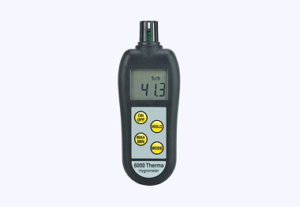
Indoor Humidity Monitor
Purpose:
Measures the amount of moisture held within the indoor air (relative humidity and temperature).
Common Uses / Notes:
Helps determine whether high ambient humidity, insufficient ventilation, or surface condensation could be contributing to black mould growth and damp conditions.
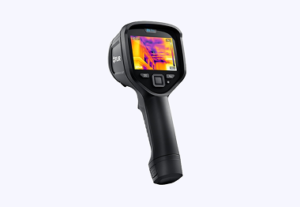
Infrared Thermal Imaging Camera
Purpose:
Displays surface temperature variations across walls, floors and ceilings.
Common Uses / Notes:
Assists in identifying cold bridging, condensation risk, insulation irregularities, thermal patterns and hidden water leaks. Interpreted alongside physical moisture readings rather than treated as proof of damp on its own.
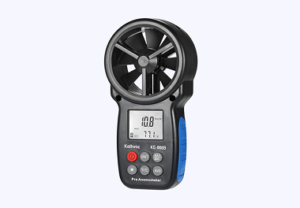
Ventilation and Airflow Tester
Purpose:
Tests the extraction performance and airflow velocity of mechanical extractor fans and ventilation outlets.
Common Uses / Notes:
Assesses extractor fans in kitchens, bathrooms and utility rooms to determine whether moisture-producing areas have sufficient extraction rate (L/s or m3/h) to control humidity, condensation and mould risk.
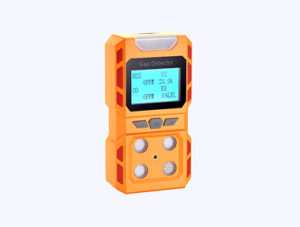
Multi-Gas Detection Equipment
Purpose:
Screens indoor air to identify certain gases present within the property.
Common Uses / Notes:
Supports investigations involving drain smells, suspected sewer gases (H2S, NH3, CH4), combustion concerns (CO, O2) and flammable gases (CH4, C3H8). Does not replace testing or certification by a Gas Safe registered engineer.
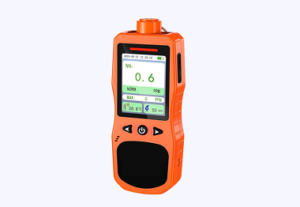
VOC and Chemical Vapour Monitor
Purpose:
Screens the air for Volatile Organic Compounds (TVOC/VOC) and chemical substances such as formaldehyde (HCHO).
Common Uses / Notes:
Useful when investigating unusual chemical smells, building material emissions/off-gassing, conditions following water damage, or general indoor air quality concerns.
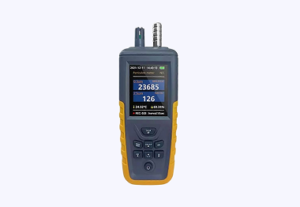
Fine Particle Monitor
Purpose:
Measures airborne material and particle concentrations across precise size ranges, including PM1.0, PM2.5 and PM10.
Common Uses / Notes:
Supports investigations involving fine dust, smoke, poor indoor air conditions and environments affected by post-leak damage or extensive mould contamination.
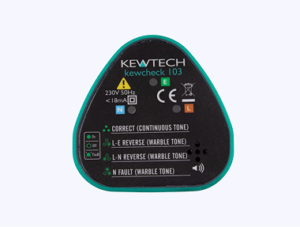
Socket and RCD Testing Device
Purpose:
Provides limited, basic electrical safety and protective circuit screening during the inspection.
Common Uses / Notes:
Helps identify certain socket wiring problems, confirms the operation of Residual Current Device (RCD) protection and detects AC voltage in damp areas. Does not constitute a full electrical inspection or an Electrical Installation Condition Report (EICR).
Equipment & Inspection Levels
Select Your Survey
Essential Damp Survey
Standard price: £299 + VAT
Promotional Price: £199 + VAT (Limited Time Offer)
Repair Deduction: Full survey cost deducted if remedial work is instructed.
The Level 1 survey is an entry-level inspection of the main accessible areas. It is intended for relatively straightforward concerns involving visible damp, suspected rising damp or isolated moisture patches.
Equipment Provided
- Electronic damp meter
Areas and Checks Included
- Accessible walls
- Accessible floors
- Ceilings
- Visible drain and plumbing leak checks
- Damp information and prevention guidance
Recommended For
This option is suitable when a customer needs a basic assessment using a standard damp meter. It can be used for a general check or where there is a simple and clearly defined moisture concern.
The inspection covers accessible internal surfaces, drains and plumbing but does not include the advanced diagnostic instruments provided with the higher survey levels.
The survey price will be deducted if we undertake the recommended remedial work.
Enhanced Damp & Timber Survey
Standard price: £399 + VAT
Promotional Price: £299 + VAT (Limited Time Offer)
Repair Deduction: Full survey cost deducted if remedial work is instructed.
The Level 2 survey includes the Level 1 inspection together with deeper moisture investigation and checks for timber-related deterioration.
Equipment Provided
- Electronic damp meter
- Deep-reading moisture meter
- Non-invasive moisture scanner
Areas and Checks Included
- Accessible walls, floors and ceilings
- Visible drain and plumbing leak checks
- Wet rot inspection
- Dry rot inspection
- Woodworm inspection
- Deeper moisture readings from suitable building materials
- Non-destructive moisture checks beneath accessible floors and within subfloor areas
- Damp information and prevention guidance
Recommended For
It is appropriate for concerns involving wet rot, dry rot, woodworm, concealed dampness or moisture below finished surfaces.
The combination of deep-reading and non-invasive instruments allows the surveyor to gather information from subfloors, beneath accessible floorboards, behind suitable panelling and within other reachable concealed areas without unnecessary dismantling.
The Level 2 survey is a good choice for buyers and sellers who require a more detailed damp and timber assessment before proceeding with a property transaction.
The survey charge will be deducted from the cost of remedial work undertaken by us.
Comprehensive Property Moisture Survey
Standard price: £499 + VAT
Promotional Price: £399 + VAT (Limited Time Offer)
Repair Deduction: Full survey cost deducted if remedial work is instructed.
The Level 3 survey is our most comprehensive inspection. It incorporates the Level 1 and Level 2 services and adds advanced diagnostic equipment, ventilation testing and high-level external inspection.
Equipment Provided
- Electronic damp meter
- Deep-reading moisture meter
- Non-invasive moisture scanner
- Infrared thermal imaging camera
- Indoor humidity monitor
- HD borescope camera
- Airflow and ventilation tester
- 4K inspection drone
- Socket and RCD testing device
Areas and Checks Included
- Accessible walls, floors and ceilings
- Visible drains and plumbing
- Wet rot, dry rot and woodworm
- Deep moisture testing
- Accessible subfloor moisture checks
- Thermal imaging
- Indoor humidity measurement
- Borescope examination where appropriate
- Brickwork and pointing
- Visible damp-proof course
- Extractor fan airflow
- Roof coverings
- Chimney stacks
- Flashing and guttering
- High-level external components
- General visible structural condition
- Basic socket and RCD screening
- 4K drone photographs where flight conditions permit
Recommended For
This option is suitable when a customer needs a basic assessment using a standard damp meter. It can be used for a general check or where there is a simple and clearly defined moisture concern.
The inspection covers accessible internal surfaces, drains and plumbing but does not include the advanced diagnostic instruments provided with the higher survey levels.
The survey price will be deducted if we undertake the recommended remedial work.
Specialised Laboratory Testing Add-Ons

Laboratory Analysis of Plaster Samples
Price £299 + VAT
(The cost of this add-on is deducted from your repair bill if we carry out the recommended remedial works).
Small plaster samples are carefully taken from affected walls and sent to an independent laboratory to analyse the concentration of hygroscopic salts (chlorides and nitrates).
Why it matters: Hygroscopic salts are carried by ground moisture during rising damp and remain in plaster even after masonry dries.
Diagnostic value: Differentiates true rising damp from condensation, rainwater penetration, or temporary plumbing leaks.
Note: Salt analysis can be particularly helpful when moisture-meter readings alone do not provide a sufficiently clear diagnosis. It may assist in distinguishing possible rising damp from condensation, water penetration or residual contamination caused by a historic leak. The results are considered together with the moisture profile, construction of the building, external ground levels, condition of the damp-proof course and other survey observations. This is the only additional service requiring minor invasive work because physical plaster samples must be collected. If we undertake the recommended remedial work, the survey cost will be deducted from the cost of that work.

Laboratory Mould & qPCR DNA Analysis
Surface swab or lift samples are submitted to an accredited laboratory for advanced qPCR DNA testing to identify exact mould species and spore concentrations.
Why it matters: Identifies toxigenic species (e.g., Stachybotrys chartarum) and concealed mould growth behind dry lining or furniture.
Diagnostic value: Establishes whether mould contamination is localised or widespread, enabling precise environmental remediation planning.
This service may be beneficial where:
- A persistent musty smell is present
- Mould repeatedly returns after cleaning
- The property has experienced previous water damage
- Contamination is suspected behind furniture or inside cupboards
- Occupants have concerns about the indoor environment
- The extent of visible mould is unclear
- Independent laboratory evidence is required
Note: The results can help establish whether contamination appears isolated or more widespread. They may also assist with planning appropriate cleaning, removal, drying, ventilation or moisture-control measures. Laboratory mould testing does not replace the need to investigate the moisture source. Mould is normally a symptom of excess moisture, condensation, leakage or inadequate ventilation, so the underlying cause must also be identified. If we carry out the recommended work, the survey fee will be deducted from the cost of that work.
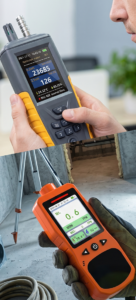
Gas, Vapour & Airborne Contaminant Screening
Price £299 + VAT
(The cost of this add-on is deducted from your repair bill if we carry out the recommended remedial works).
Comprehensive environmental air quality screening for properties with persistent odours, post-flood contamination, or air quality issues.
Screening includes:
- Indoor air-quality assessment – IAQ
- Volatile organic compounds – TVOC/VOC
- Formaldehyde – HCHO
- Fine airborne particles – PM1.0, PM2.5 and PM10
- Dust and smoke particles – PM1.0, PM2.5 and PM10
- Sewer gas screening – H2S, NH3 and CH4
- Flammable gas screening – CH4 and C3H8
- Carbon monoxide – CO
- Hydrogen sulphide – H2S
- Ammonia – NH3
- Oxygen levels – O2
- Stale-air and ventilation assessment – IAQ and TVOC
- Drain odour investigation – H2S, NH3 and CH4
- Chemical smell investigation – TVOC, VOC, HCHO and NH3
- Post-leak air and surface-condition checks – PM2.5 and TVOC
- Combustion gas screening – CO, O2 and CH4
- Building-product off-gassing assessment – TVOC and HCHO
- General pollutant screening – PM1.0, PM2.5, PM10 and TVOC
Diagnostic value: Pinpoints the source of foul drain odours, chemical off-gassing and stale air problems linked to poor ventilation. It is also useful when a property contains a persistent foul, stale or unexplained smell. Odours can originate from damp building materials, stagnant water, contaminated drains, sewer gases, mould-related conditions or chemical vapours. Targeted screening helps narrow down the possible source and supports further investigation.
Note: Screening results do not replace specialist gas, environmental or medical assessments where these are required. The survey charge will be deducted if London Damp Specialists completes the recommended remedial work.
Contact Us
If you have some questions, please complete this form:
Book and Pay for a survey
If you are ready to book a survey and pay, please complete this form:

Contact Us
If you have some questions, please complete this form:
Book and Pay for a survey
If you are ready to book a survey and pay, please complete this form:
Contact Us
If you have some questions, please complete this form:
Book and Pay for a survey
If you are ready to book a survey and pay, please complete this form: