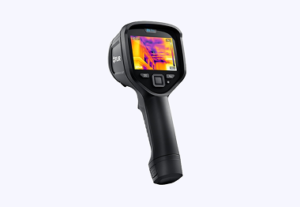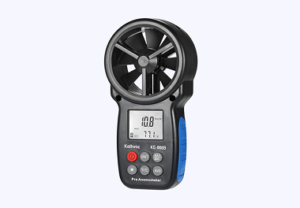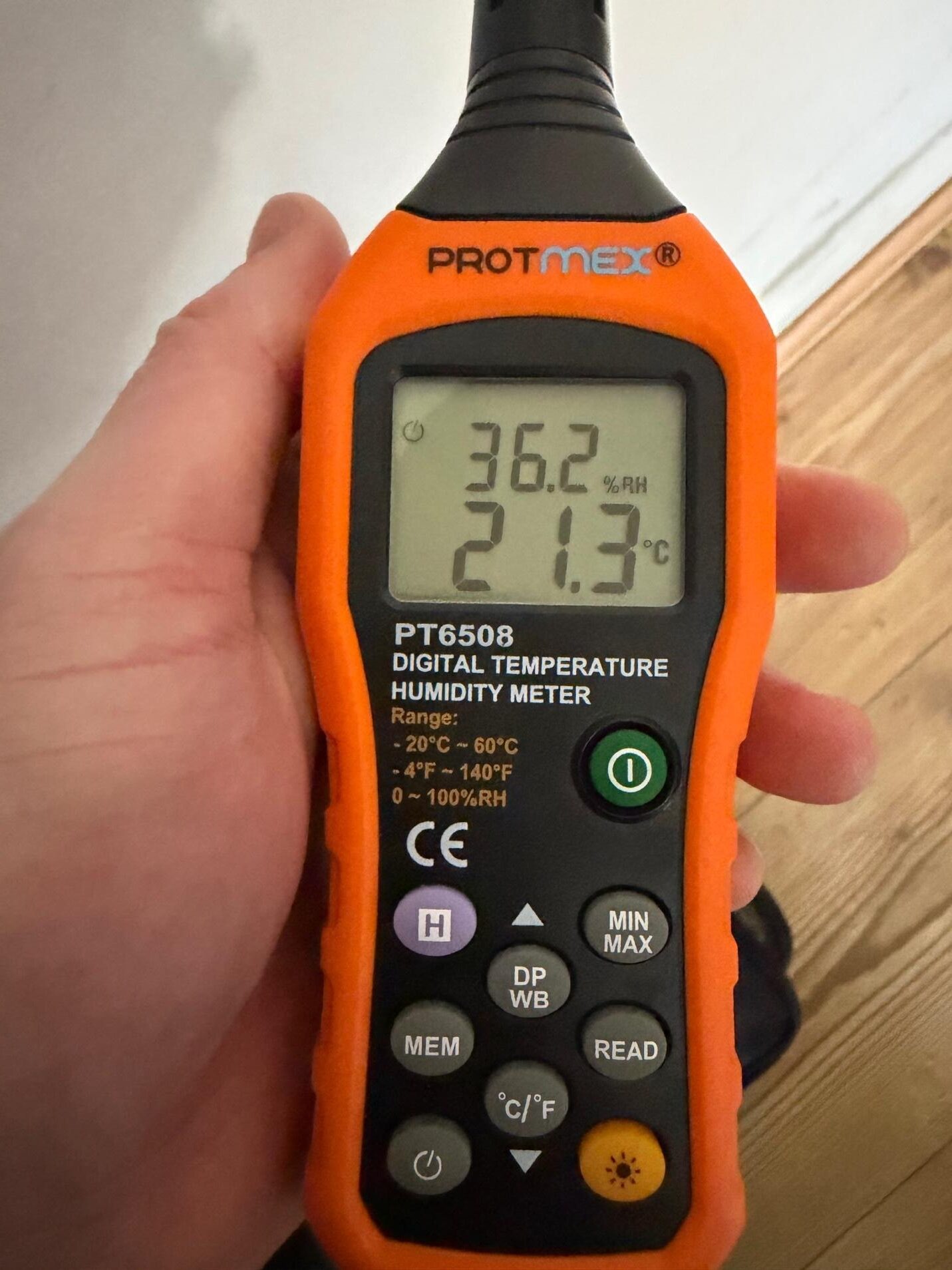
This independent Level 3 damp survey evaluated a flat located in South Woodford (E18). Commissioned by the property owner to address persistent mould growth, the survey provided an objective assessment of internal walls and microclimate conditions.
About the Issue
Visible mould patches in multiple areas of the flat created concern for the homeowner. Unsure of the root cause, they feared that rising damp or water seepage from exterior walls was damaging the building.
The Challenge
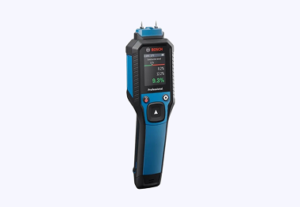
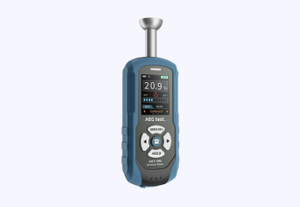
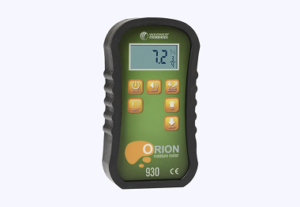
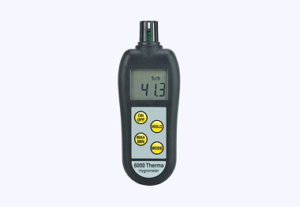
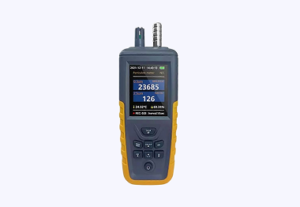
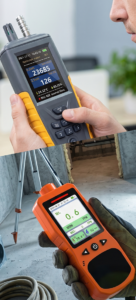
The surveyor performed a Level 3 damp survey across all accessible living spaces, using specialised moisture meters to inspect the building fabric.
Diagnostic checks revealed the following key factual evidence:
- Wall surfaces returned dry moisture readings across every tested room.
- Zero evidence of penetrating damp, rising damp, or plumbing leaks was found.
- Environmental readings confirmed elevated internal humidity interacting with cold solid masonry walls.
The diagnosis established that cold wall surface temperatures combined with internal moisture were solely responsible for the mould. Solid brick walls conduct heat away quickly, causing ambient indoor moisture to condense into surface water droplets.
The Solution
Recommendations focused on continuous humidity control and surface temperature management:
- Place a continuous drainage dehumidifier near a kitchen sink or suitable drainage point.
- Ensure the unit uses a permanent drain hose and operates 24 hours a day, set to roughly 50–55% RH auto mode with windows shut.
- Rely on a single properly placed unit to control humidity throughout the flat.
- Alternatively, implement thermal insulation improvements to raise wall temperatures.
The Outcome
The property owner received formal confirmation that no structural damp defects existed in their flat. They avoided unnecessary expenditure on chemical damp injection or wall rendering, fixing the issue through continuous moisture control.
Why This Case Matters
Misinterpreting condensation mould as structural dampness often leads property owners to pay for unneeded building works. Independent damp specialists provide fact-based testing that isolates environmental causes from liquid water ingress.