An independent Level 3 damp survey was commissioned for a residential property located in Islington (N1). The property owner sought an expert assessment after noticing persistent damp marks, window sill staining and active leaks across several storeys. The survey delivered a thorough, unbiased evaluation free from commercial sales pressure.
About the Issue
Visible water ingress near the hallway skylight, dampness behind a bedroom bed and ceiling staining below a toilet prompted concern for the homeowner. Unsure whether the defects indicated widespread rising damp or structural timber decay, they requested a professional opinion before starting repairs.
The Challenge
Starting on the top floor and progressing downward through the first, ground and lower ground levels, the surveyor evaluated internal surfaces, sanitary fittings and high-level roof junctions.
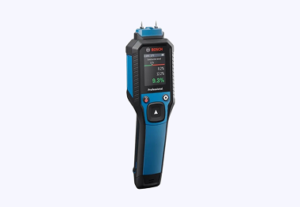
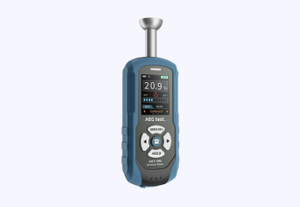
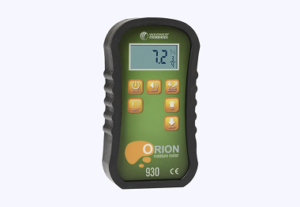
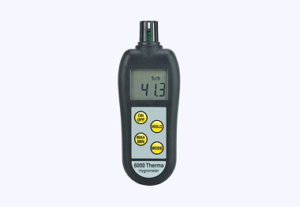
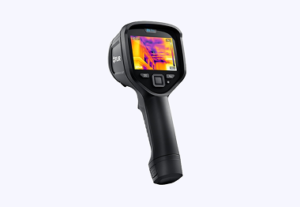
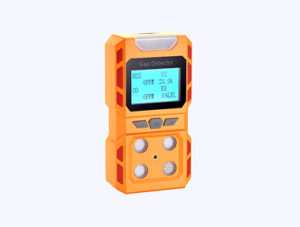
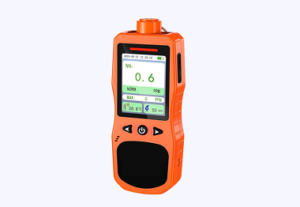
Diagnostic testing gathered the following physical evidence:
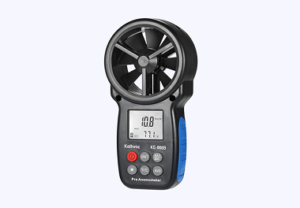
- Internal relative humidity registered between 46.1% and 47.3%, confirming balanced atmospheric conditions throughout the home.
- Penetrating damp on the top floor was traced to defective external lead flashing behind the rear bedroom bed, improperly sealed windows, a poorly sealed en suite ceiling vent and a failing skylight seal.
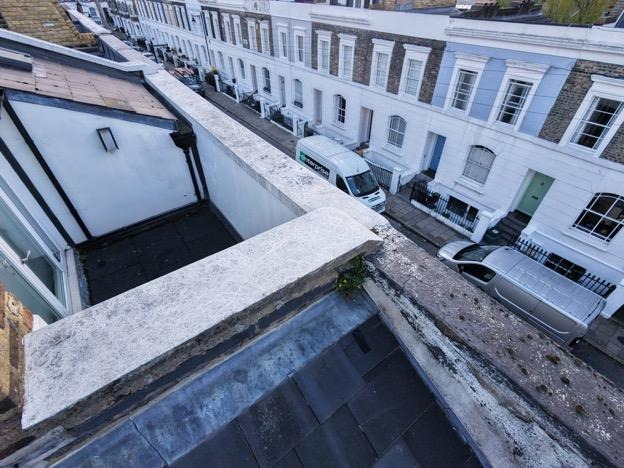
- First floor inspection revealed penetrating damp in the front room due to a lack of top protection on the front parapet wall, while computer room staining was confirmed to be completely dry and historic.
- Ground floor findings included an active plumbing leak beneath the first-floor toilet and condensation mould in the front bedroom; lower ground testing identified a leak at the glass roof pillar junction and slight rising damp beside the rear folding doors.
Full inspection of structural timbers confirmed complete freedom from dry rot, wet rot and woodworm infestation, with external brickwork and pointing remaining structurally sound.
The Solution
To stop all water ingress and restore the interior, the survey outlined a structured remedial roadmap:
- Roofer: Reseal the skylight, repair and reseal lead flashing, seal top-floor window perimeters, cap the front parapet wall with metal flashing and reseal the glass roof junction at the pillar.
- Plumber: Locate and repair the active toilet plumbing leak above the ground floor.
- General & Environmental: Clean front bedroom mould and run a dehumidifier set to approximately 55% humidity on automatic mode.
- Decorator: Apply a stain-blocking primer and repaint affected walls once masonry dries naturally.
- Monitoring: Re-evaluate the slight rising damp near the lower ground folding doors after external repairs are complete.
The Outcome
The property owner achieved complete peace of mind knowing that the building structure was sound and timber joists were healthy. By following an independent diagnostic report, they avoided unnecessary damp proof course injections and focused their resources on essential roofing and plumbing repairs.
Why This Case Matters
Multiple water leaks in a property do not automatically mean systemic structural failure. Independent damp diagnostic surveys separate minor plumbing faults and external maintenance items from genuine structural defects, protecting homeowners from over-engineered contractor quotes.