A Level 3 damp survey was commissioned for a top-floor flat in Cricklewood (NW2) to determine the cause of reported ceiling water marks. The property owner instructed an independent survey to secure a reliable diagnostic health check. The inspection covered all living areas, ventilation systems, plumbing fixtures and external roof coverings.
About the Issue
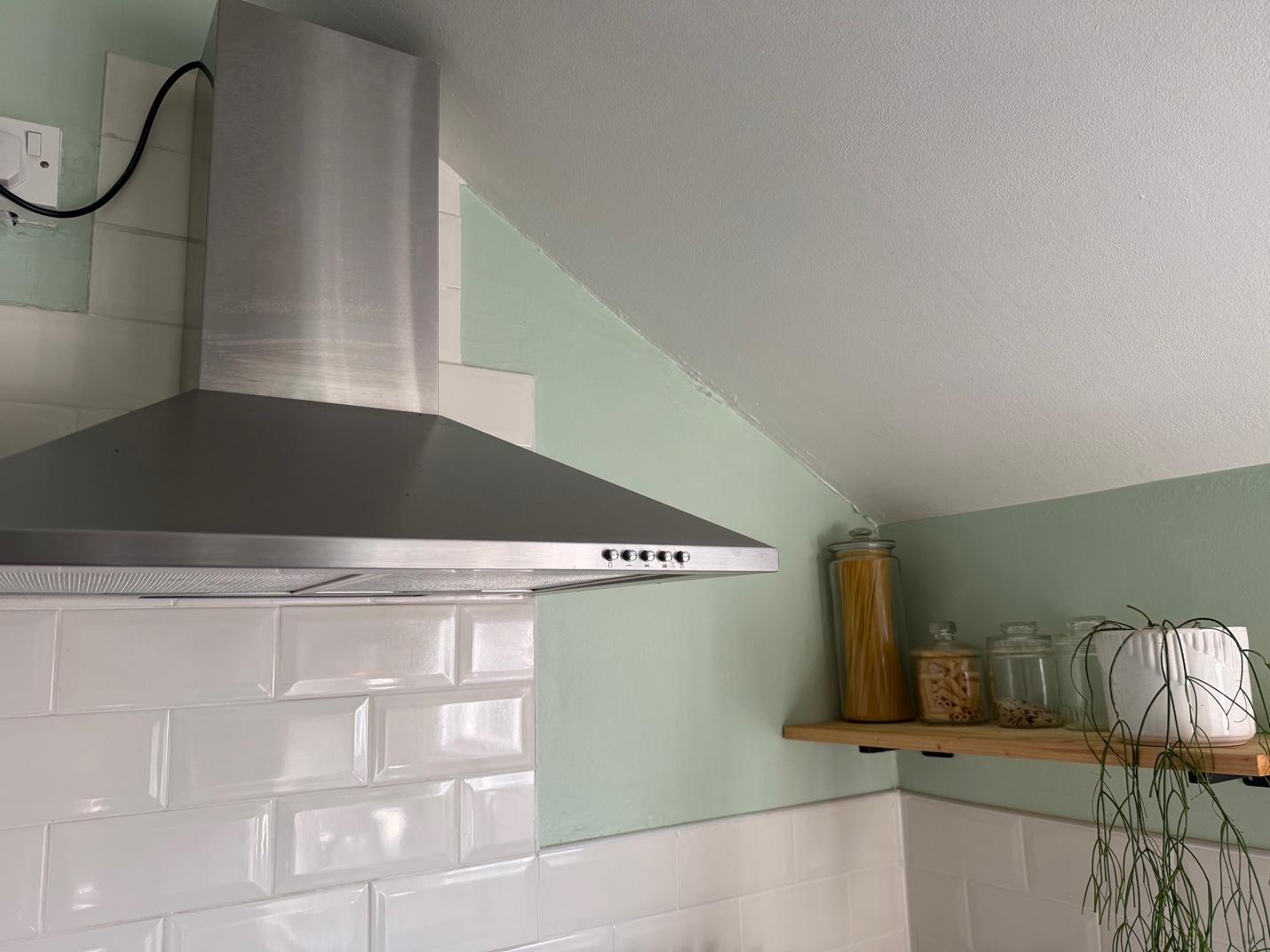
The property owner grew concerned after discovering damp staining in the kitchen ceiling corner, on the bathroom ceiling and along the hallway ceiling and wall-to-ceiling junction. They sought expert advice to confirm whether the issue required internal damp proofing or external roof maintenance.
The Challenge
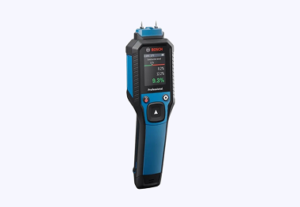
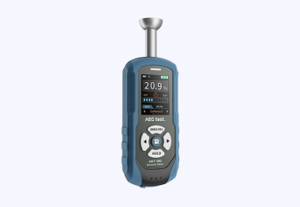
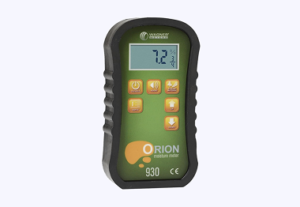
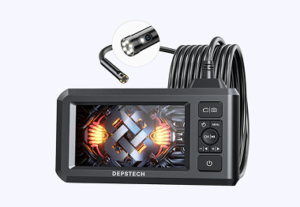
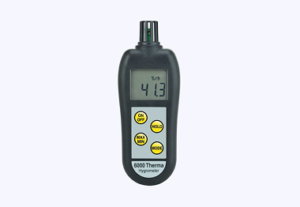
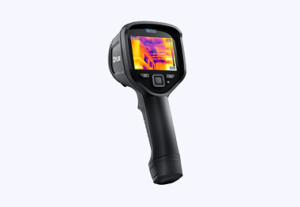
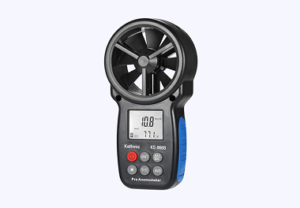
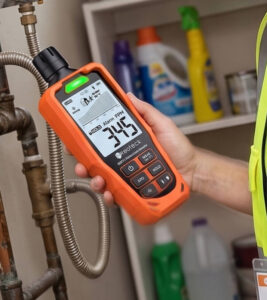
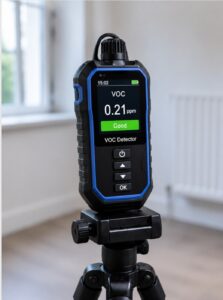
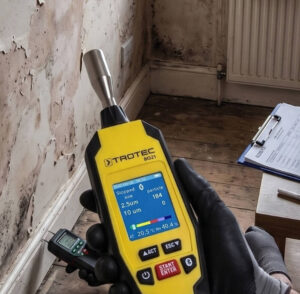
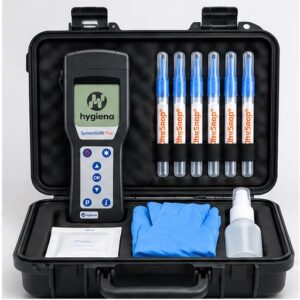
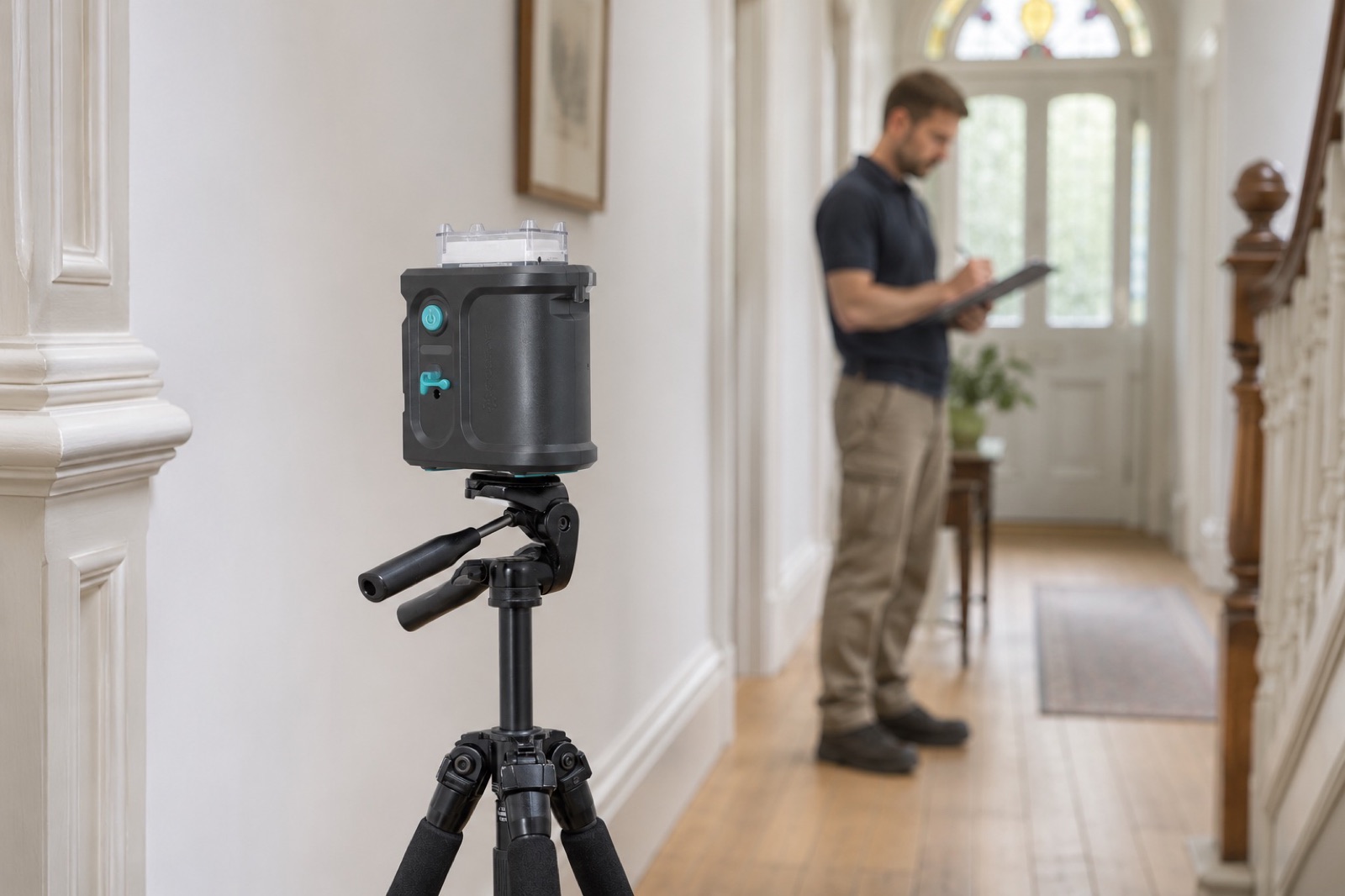
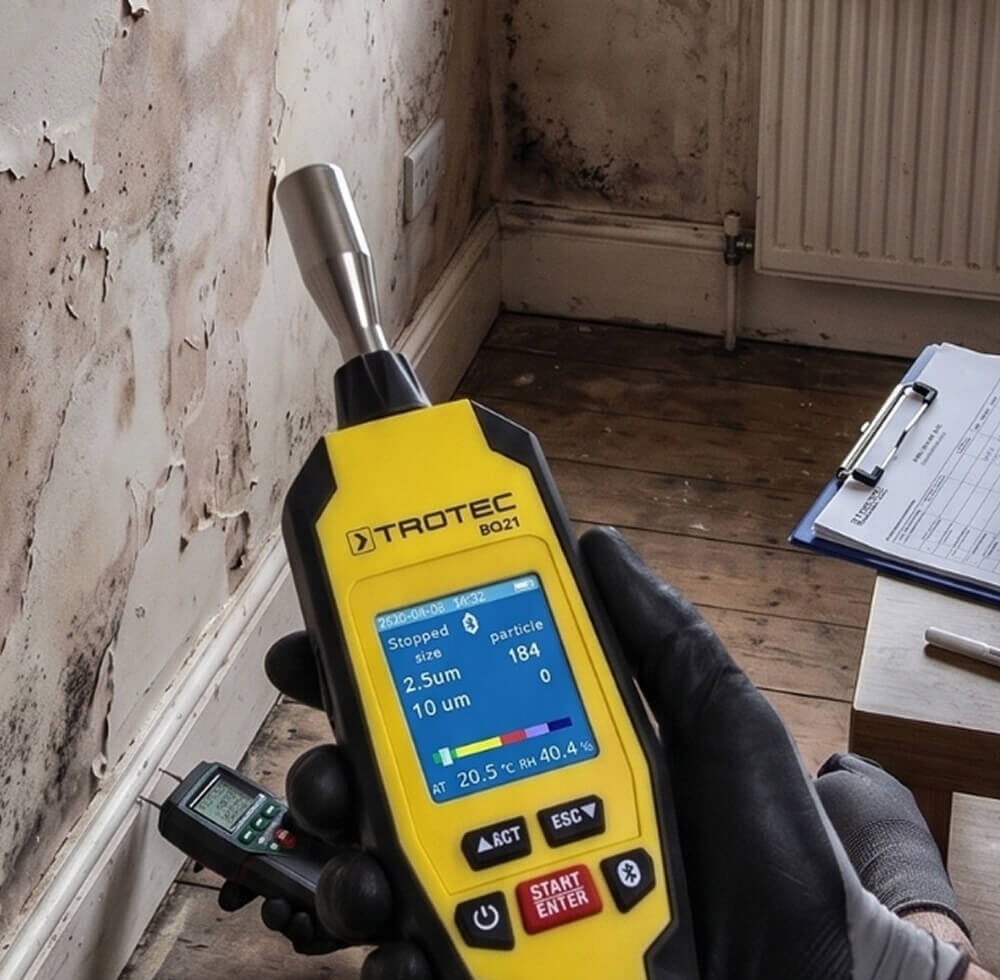
The diagnostic process involved quantitative microclimate testing, ventilation flow analysis, pipework leak checks and roof-level appraisals.
The survey revealed clear factual evidence:
- Relative humidity was recorded at 54.7%, confirming an acceptable indoor microclimate not prone to condensation.
- The bathroom extractor fan was tested and confirmed operating correctly.
- Complete checks on visible plumbing, drainage, brickwork pointing, DPC and structural timbers confirmed zero leaks, sound structural masonry and no wet rot, dry rot, or woodworm.
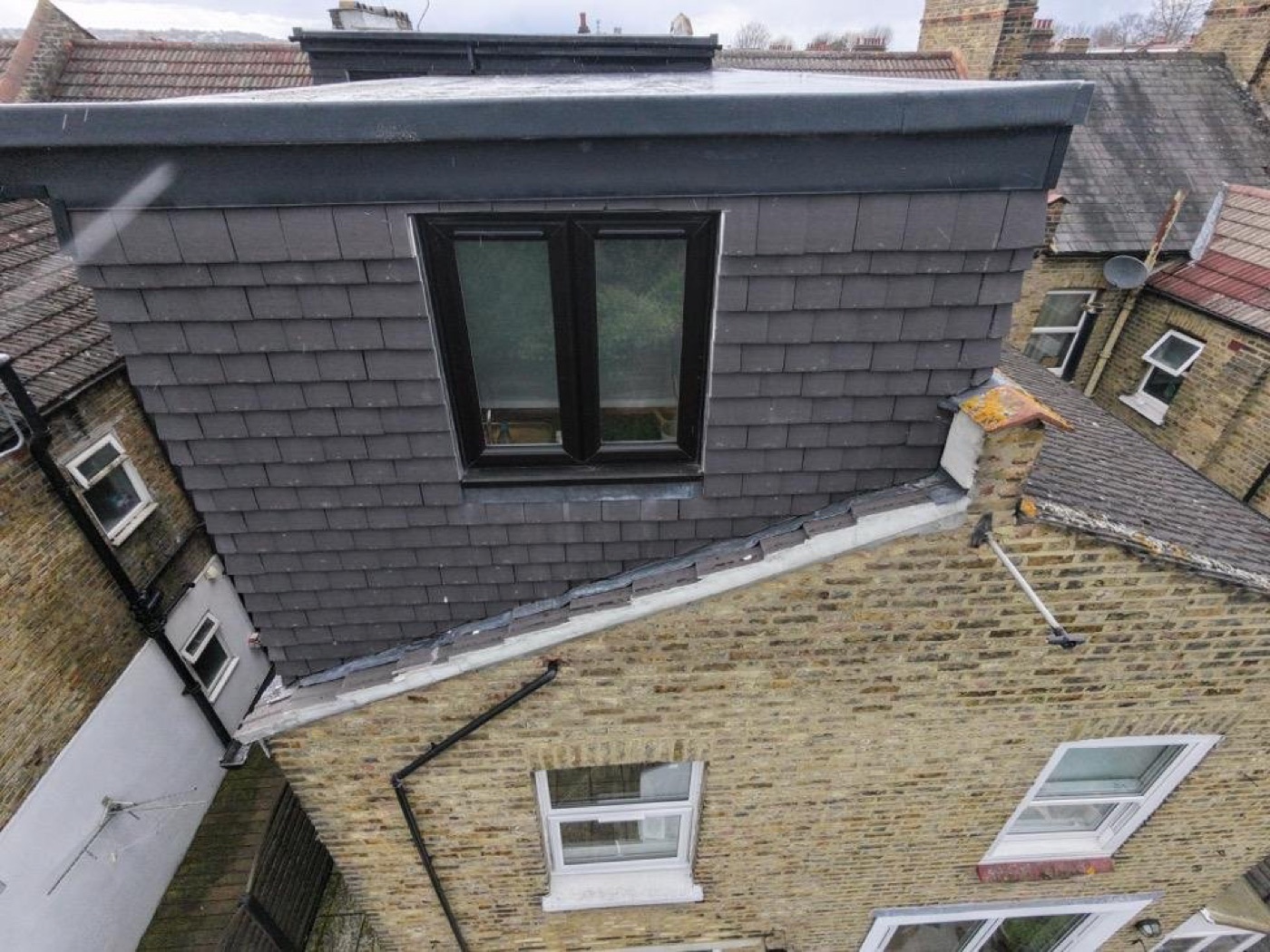
- Roof inspection confirmed a generally reasonable structure with past repairs, but highlighted defective, loose, or lifting lead flashing at junction points.
The surveyor concluded that rainwater ingress during heavy or wind-driven storms was tracking past loose lead flashing into the ceiling structure below.
The Solution
To resolve the water ingress and protect decorative finishes, the report advised:
- Repair and secure loose or lifting lead flashing around vulnerable roof junctions.
- Allow internal ceiling areas in the kitchen, bathroom and hallway sufficient time to fully dry.
- Redecorate affected internal ceiling surfaces once moisture readings confirm dry conditions.
The Outcome
The independent survey provided total peace of mind, reassuring the homeowner that internal pipework and timbers were fully sound. By identifying roof flashing maintenance as the sole cause, the report saved the owner from unnecessary internal building works.
Why This Case Matters
Independent damp diagnostic surveys provide objective evaluations that protect property owners from misdiagnoses. Verifying that internal humidity, plumbing and timbers are sound ensures maintenance spending goes directly to fixing external roof defects.