An independent Level 3 damp survey was commissioned for a top-floor flat in Cricklewood (NW2). The property owner arranged the inspection to investigate visible ceiling staining across several rooms. Seeking an objective diagnostic assessment, they instructed a specialist survey to determine the exact origin of the water ingress before undertaking redecoration.
About the Issue
The homeowner observed damp stains appearing near the kitchen ceiling corner, on the bathroom ceiling and along the hallway ceiling and wall-to-ceiling junction. Fearing an active plumbing burst overhead, condensation, or severe timber decay within the roof space, they sought a definitive health check.
The Challenge
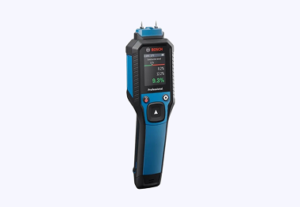
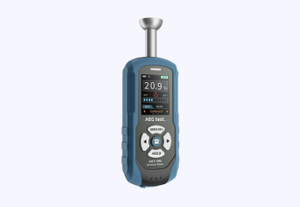
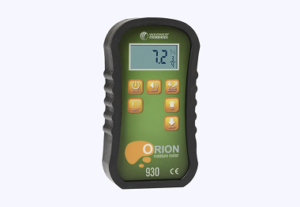
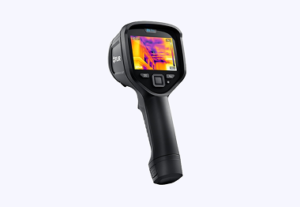
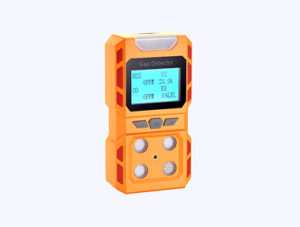
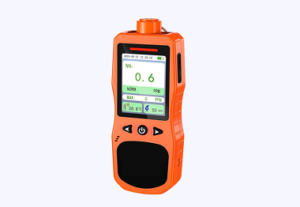
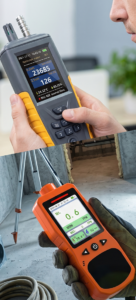
To establish the true cause of the internal water marks, a comprehensive Level 3 damp survey was conducted across the top floor flat. The diagnostic process involved systematically assessing room microclimates, structural masonry, plumbing networks and roof coverings.
Diagnostic testing and visual checks provided clear quantitative evidence:
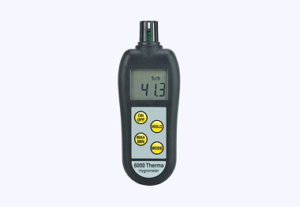
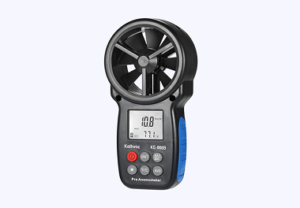
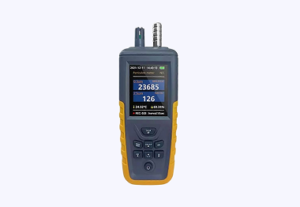
- Relative humidity testing measured internal air at 54.7%, which sits squarely within acceptable residential limits and rules out condensation-conducive environments.
- Functional testing confirmed the bathroom extractor fan was operating correctly, providing adequate room ventilation.
- Full checks across accessible plumbing, drainage, brickwork pointing, the damp proof course (DPC) and structural timbers confirmed zero leaks, sound masonry and no traces of dry rot, wet rot, or woodworm.
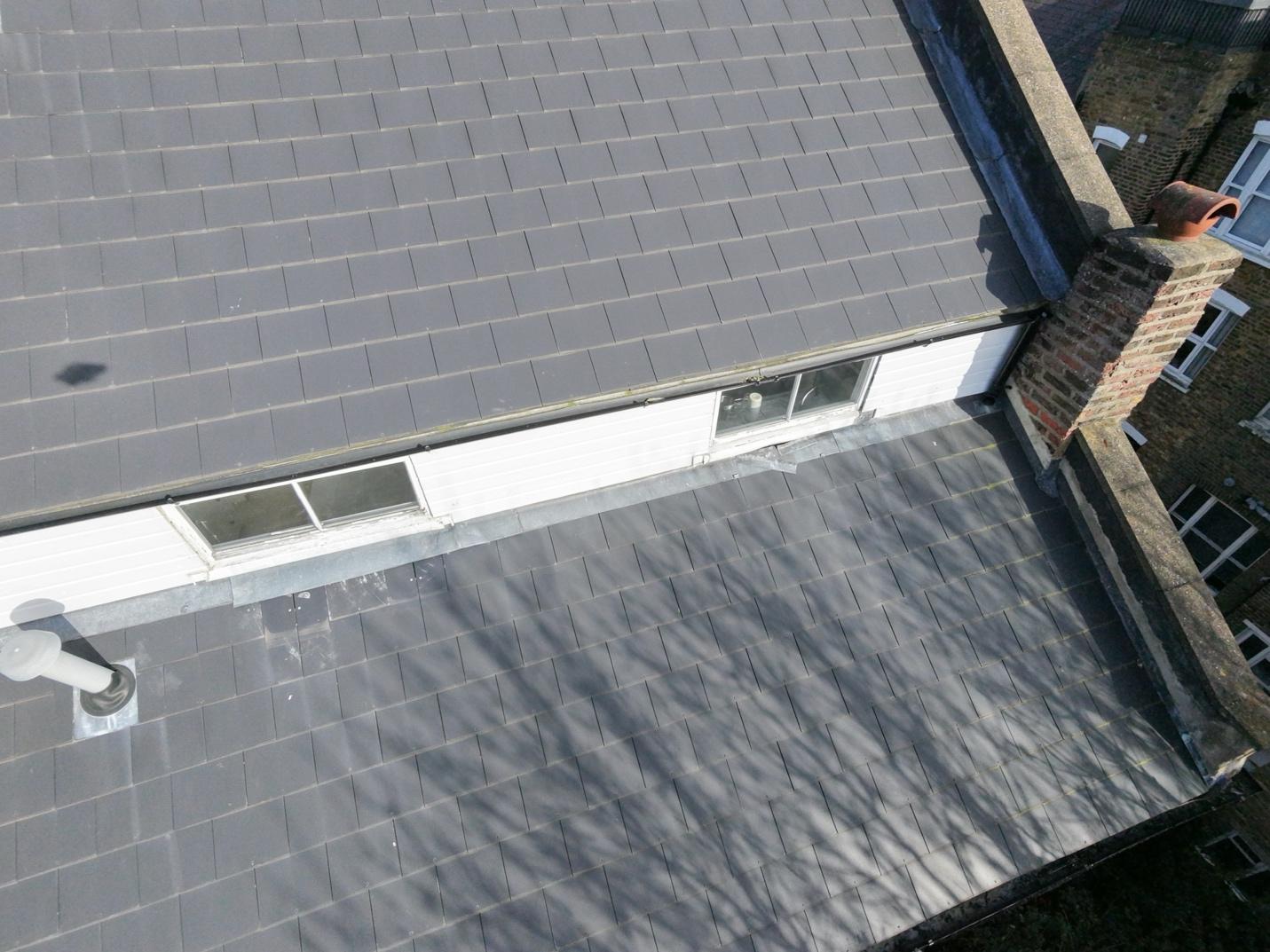
- Inspection of the roof revealed it was in reasonable general condition with evidence of previous repairs, but several sections of lead flashing around vulnerable junction points were loose or lifting.
The diagnostic reasoning connected the ceiling dampness directly to rainwater entering past loose lead flashing during periods of heavy or wind-driven rain, proving that internal walls and plumbing were entirely unaffected.
The Solution
Remediation required external weatherproofing rather than intrusive internal building work:
- Carry out external roofing repairs to secure, reseal and repair the defective lead flashing around vulnerable junction points.
- Allow all affected internal ceiling areas sufficient time to dry out completely.
- Redecorate affected internal ceiling surfaces once moisture readings confirm full drying.
The Outcome
The homeowner obtained total clarity and reassurance that their flat was free from plumbing leaks, rot, or rising damp. By obtaining an independent assessment, they avoided unnecessary internal damp proofing expenditures, focusing their budget solely on targeted exterior roof flashing repairs.
Why This Case Matters
Ceiling water stains in top-floor properties are frequently assumed to be complex structural failures or condensation issues. An independent diagnostic survey measures actual environmental humidity and evaluates roof detailing, ensuring property owners resolve the precise external water entry point without paying for unneeded internal treatments.