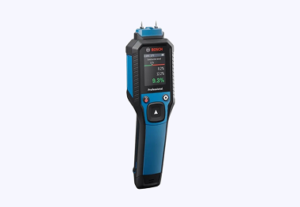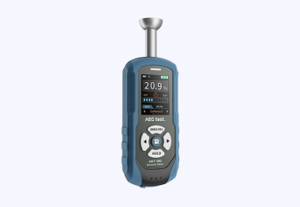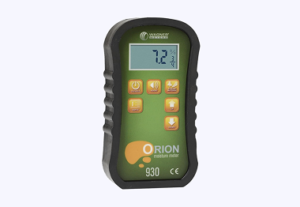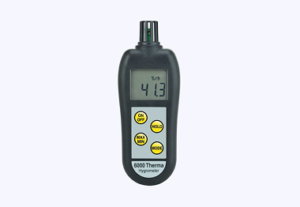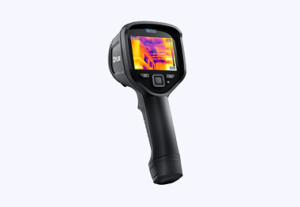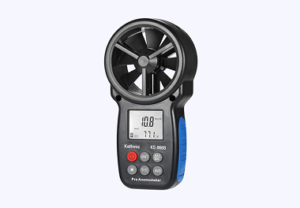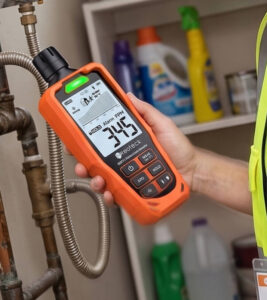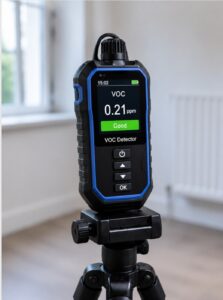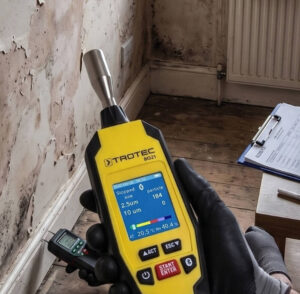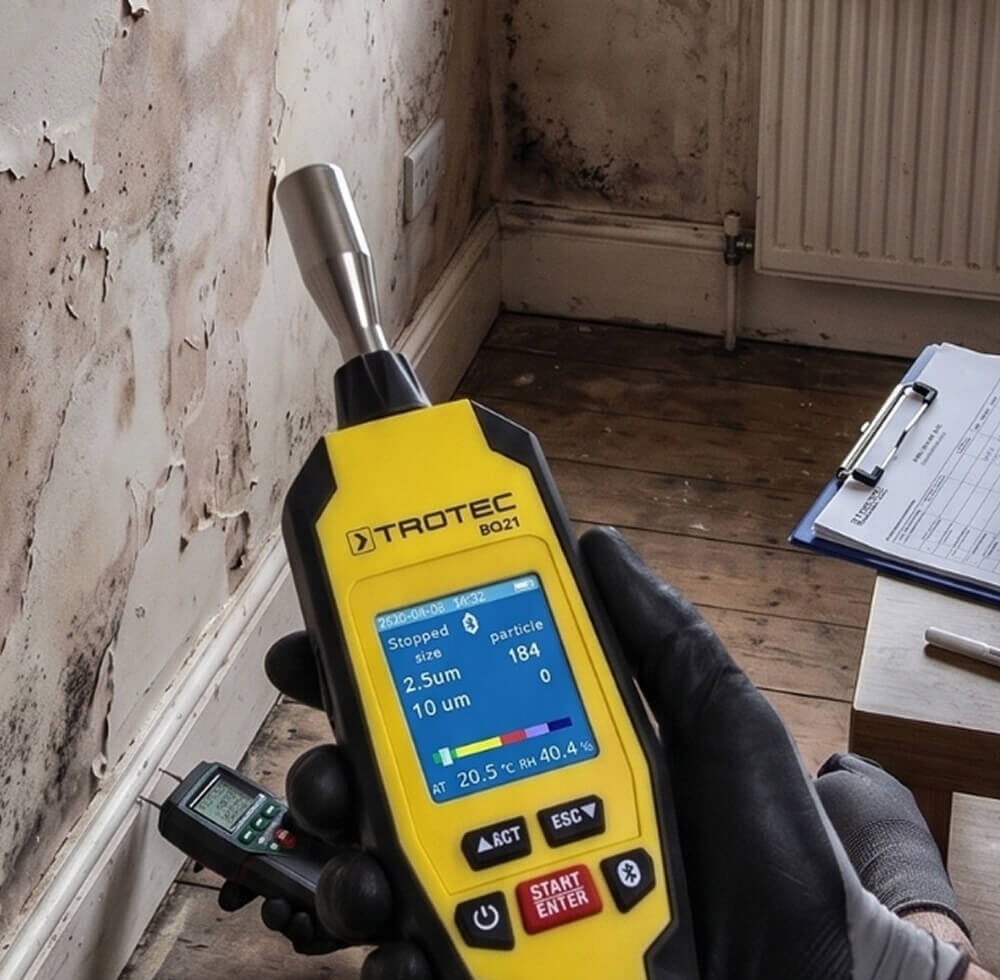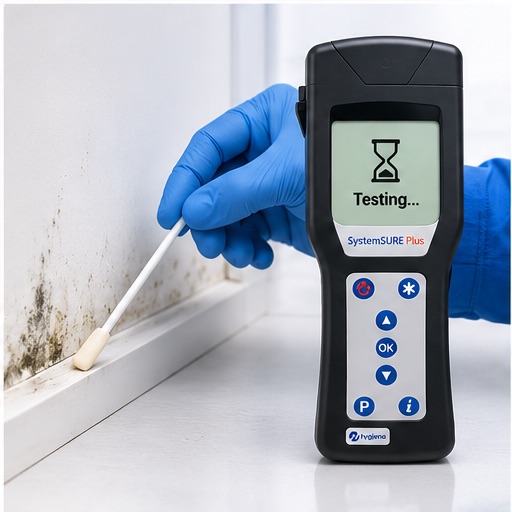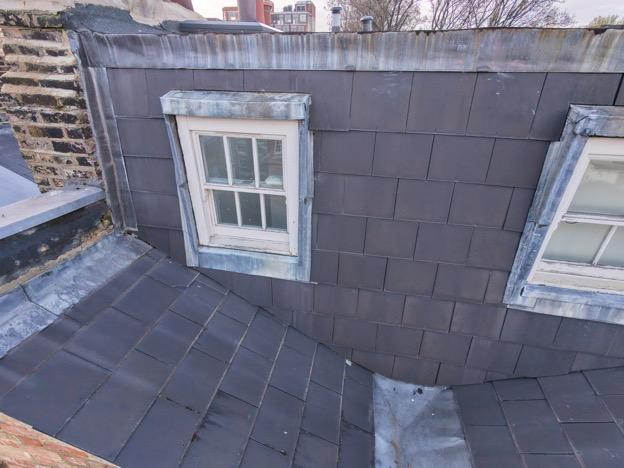
A Level 3 damp survey was commissioned for a residential property in Islington (N1) to determine the cause of recurring dampness and ceiling leaks across multiple floors. The property owner instructed an independent survey to obtain an impartial, evidence-based report. The evaluation covered all internal living areas, roof junctions and structural components.
About the Issue
The property owner grew concerned after discovering active water entry around a hallway skylight, dampness on top-floor window sills, ceiling staining below a toilet and mould in a front bedroom. They sought expert advice to isolate active leaks before hiring building contractors.
The Challenge
The diagnostic process covered all four levels of the house, evaluating internal finishes, environmental air quality, high-level roof detailing and plumbing fixtures.
The investigation revealed clear factual evidence:
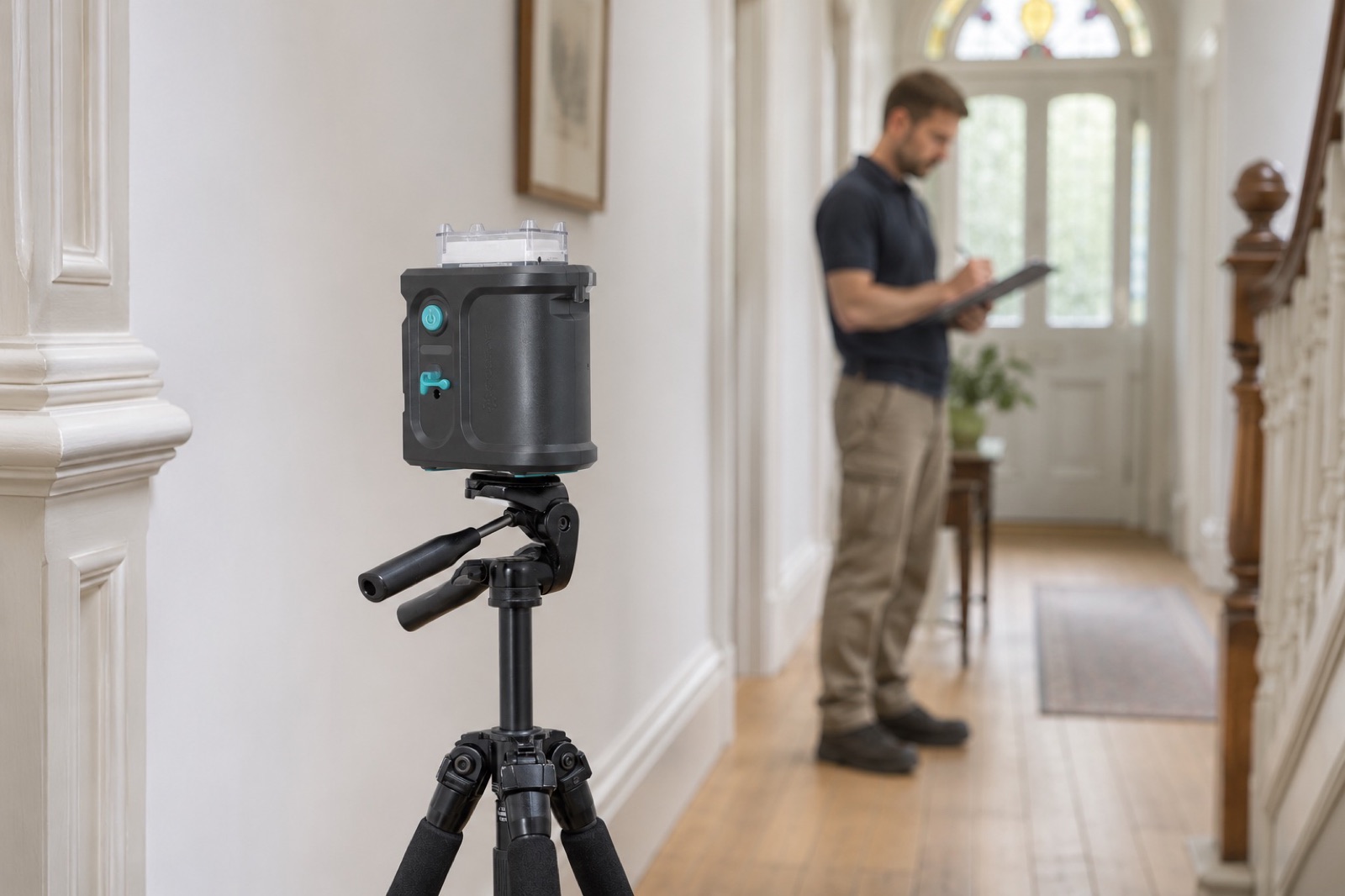
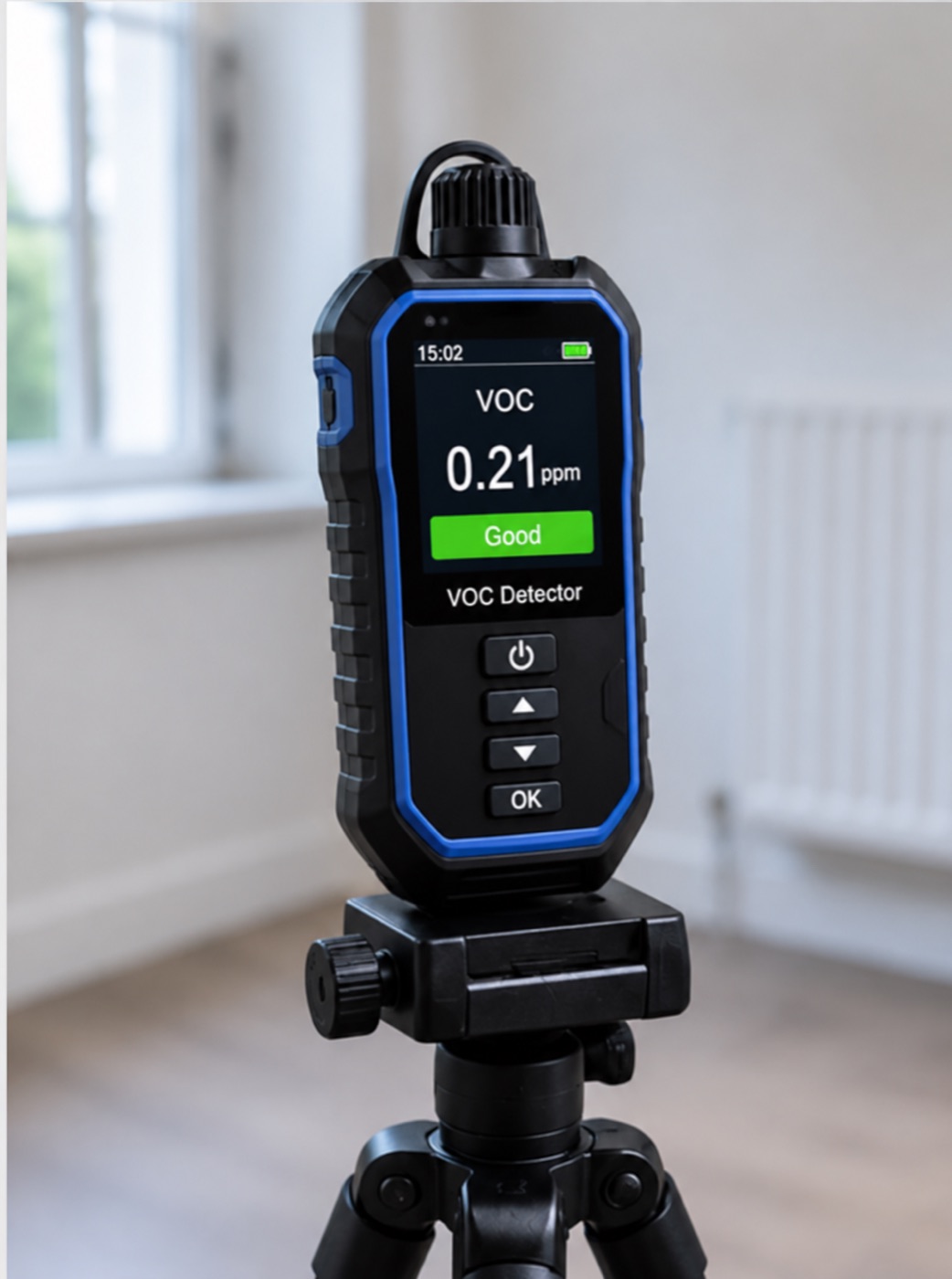
- Air humidity testing recorded readings between 46.1% and 47.3%, confirming normal indoor moisture levels.
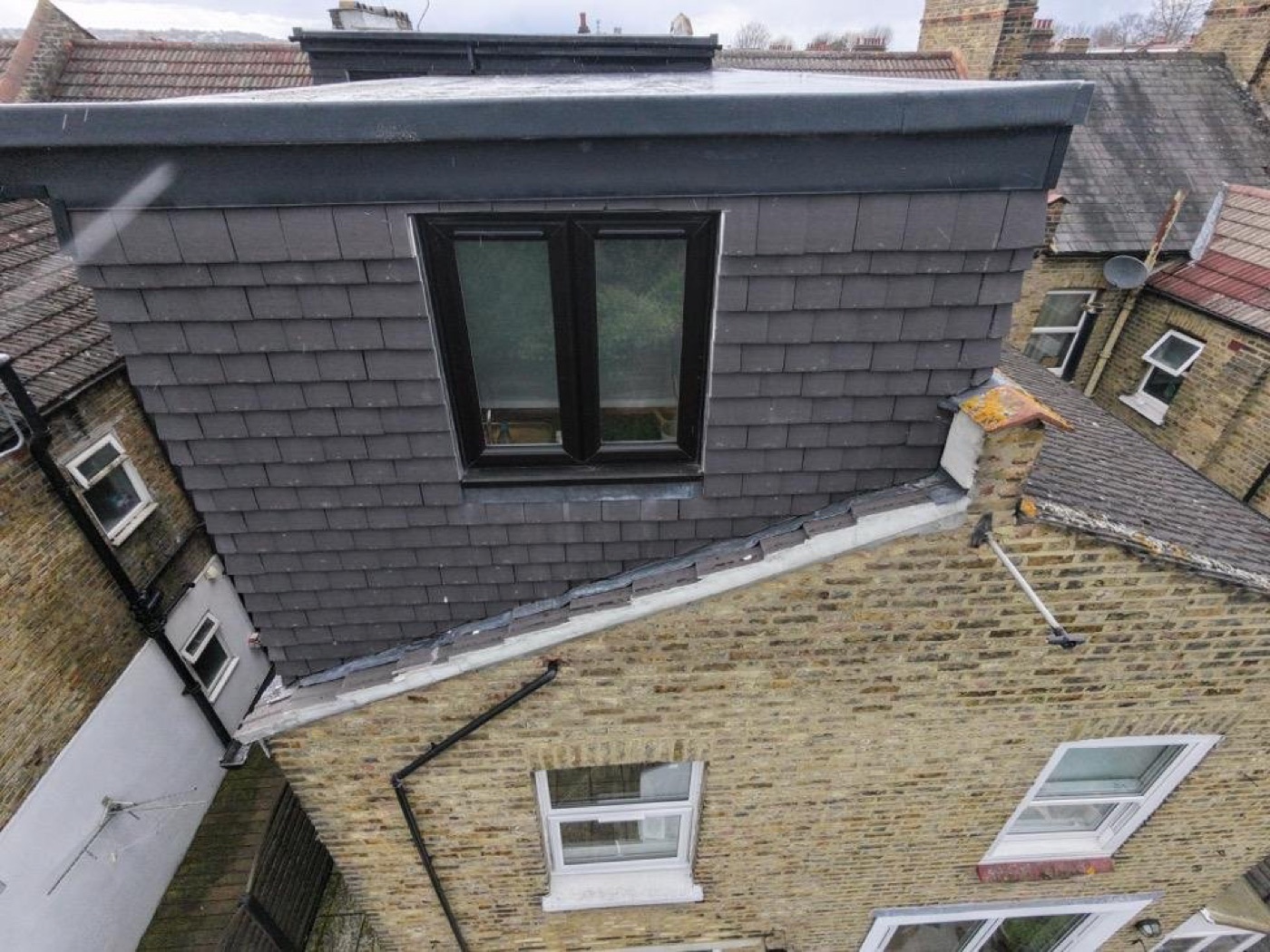
- Top floor inspection established penetrating damp behind the rear bed due to unsealed lead flashing, active leaks at the skylight and en suite ceiling vent and sill dampness from improperly sealed window frames.
- First floor checks pinpointed penetrating damp in the front room from an unprotected front parapet wall, while wall staining in the computer room was confirmed dry and historic.
- Ground floor findings revealed an active plumbing leak beneath the first-floor toilet and front bedroom mould driven by localised condensation; lower ground checks identified a leaking glass roof pillar junction and slight rising damp right of the rear folding doors.
All accessible structural timbers were sound, showing no signs of dry rot, wet rot, or woodworm infestation, while external brickwork and pointing were in good condition.
The Solution
To eliminate moisture ingress across all levels, the report advised the following remedial action plan:
- Engage a qualified roofer to reseal the skylight unit, repair lead flashing, seal all top-floor windows, fit metal flashing to the front parapet wall and seal the glass roof pillar junction.
- Hire a plumber to fix the active toilet leak above the ground floor ceiling.
- Treat the front bedroom mould and run a dehumidifier set to approximately 55% humidity on automatic mode.
- Allow all repaired areas to dry naturally before applying a stain-blocking primer and redecorating.
- Monitor low-level moisture near the lower ground folding doors after external repairs are completed.
The Outcome
The independent survey provided the property owner with complete peace of mind. By establishing that the building structure was sound and main walls were dry, the report saved the owner from unnecessary, costly damp proofing works, focusing spending on targeted roof and plumbing repairs.
Why This Case Matters
Unbiased damp diagnostic surveys prevent misdiagnosis by separating plumbing leaks and roof maintenance items from structural dampness. Identifying the exact root cause of each water mark ensures homeowners only fund necessary, targeted trade repairs.