An independent Level 3 damp survey was commissioned for a flat in South Woodford (E18). The property owner arranged the inspection following persistent mould growth across living areas. Instructing an unbiased diagnostic survey ensured the owner received an accurate health check based on objective testing rather than commercial guesswork.
About the Issue
The homeowner observed visible mould growth spreading across multiple areas within the flat. Fearing that active rising damp, penetrating water through external masonry, or hidden plumbing leaks were destroying internal finishes, they sought an independent investigation.
The Challenge
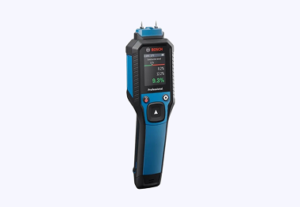
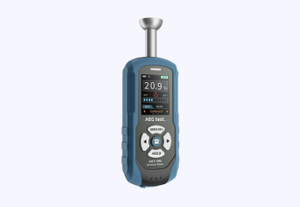
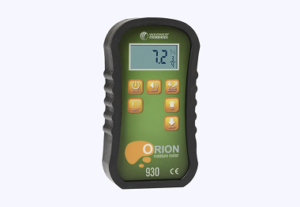
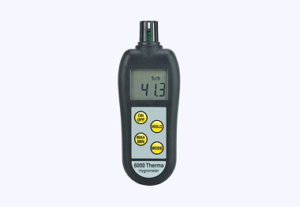
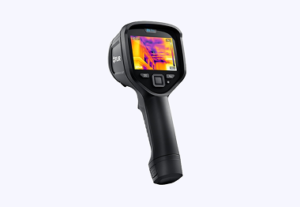
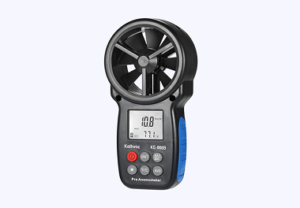
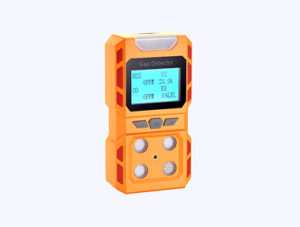
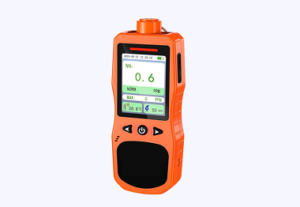
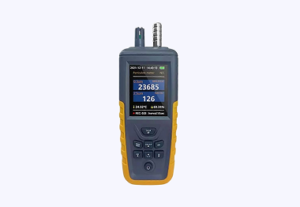
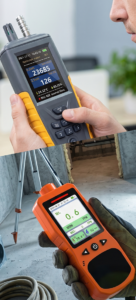
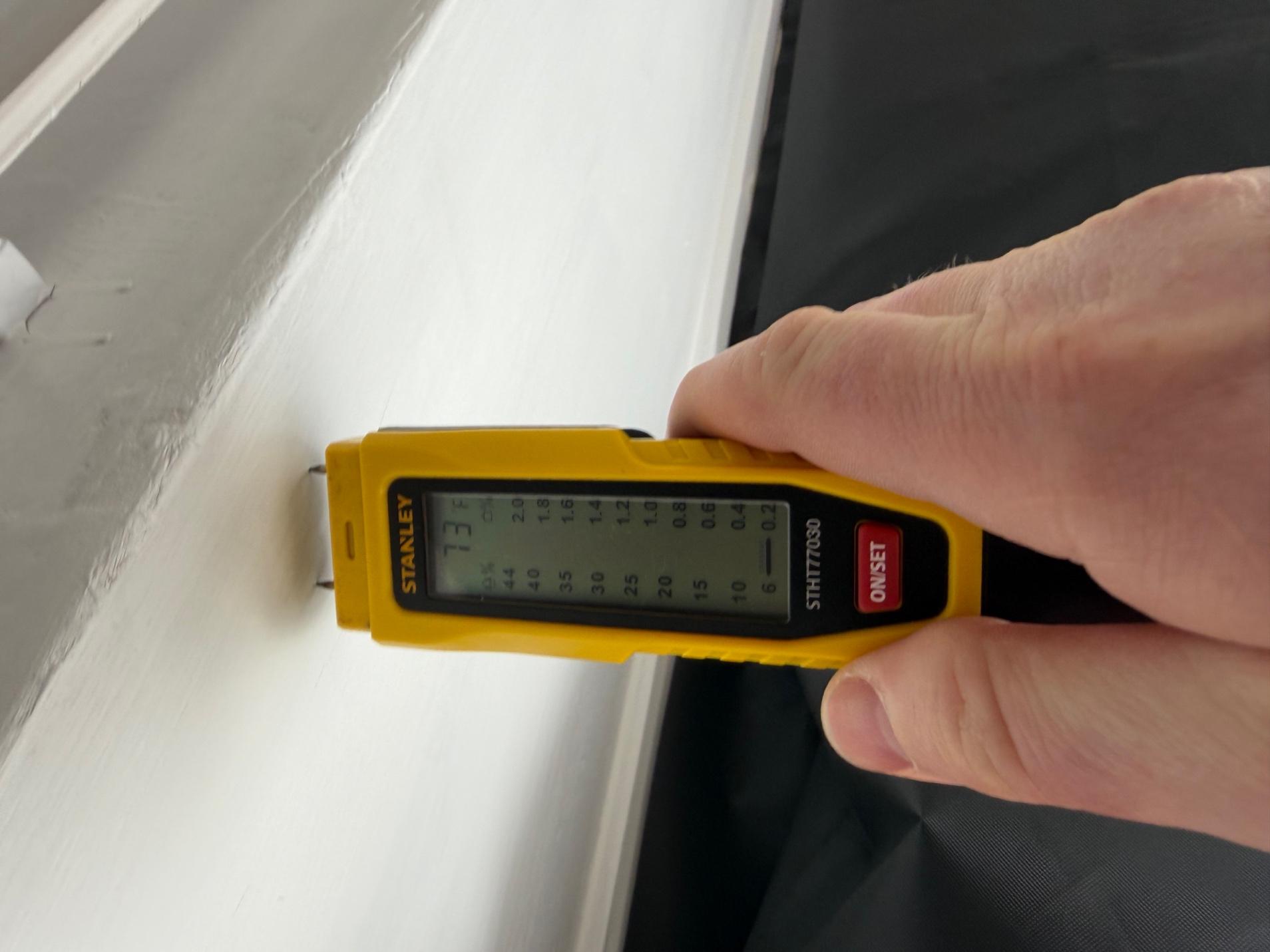
A comprehensive Level 3 damp survey was undertaken, thoroughly testing all accessible walls and relevant areas using specialist damp detection methods.
Testing and visual assessments provided distinct diagnostic findings:
- Quantitative moisture testing across all accessible walls returned dry readings throughout.
- Inspection confirmed zero evidence of rising damp, penetrating damp, or plumbing-related water ingress.
- Diagnostic evaluation identified solid masonry external walls as the root cause, which do not retain heat effectively.
This physical testing proved that the mould was environmental rather than structural. Because solid masonry walls stay cold, warm, moisture-laden indoor air condenses upon contact with wall surfaces, fostering mould over time.
The Solution
Since structural dampness was ruled out, the report recommended environmental controls to manage moisture and cold surfaces:
- Deploy a continuous drainage dehumidifier fitted with a permanent drain hose (not a manual water tank model) positioned near a kitchen sink or suitable drainage point.
- Keep the unit plugged in and running 24 hours a day, set to automatic mode targeting approximately 50–55% RH.
- Maintain closed windows during operation to allow the dehumidifier to effectively regulate internal air conditions across the entire flat.
- Alternatively, implement thermal insulation improvements to increase wall surface temperatures and prevent condensation.
The Outcome
The property owner received total peace of mind knowing their flat was structurally sound and free from active leaks or rising damp. By opting for an independent survey, they avoided paying for unnecessary damp proofing treatments or chemical wall injections.
Why This Case Matters
Visible mould frequently leads property owners to assume severe structural failure, making them vulnerable to contractor sales pitches for invasive damp proofing. Independent diagnostic assessments isolate cold-bridge condensation from liquid water ingress, protecting owners from unnecessary construction costs.