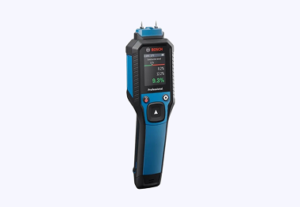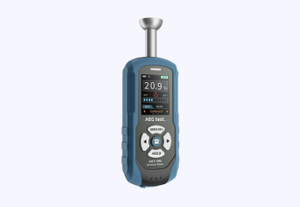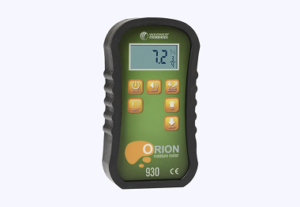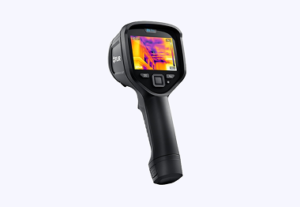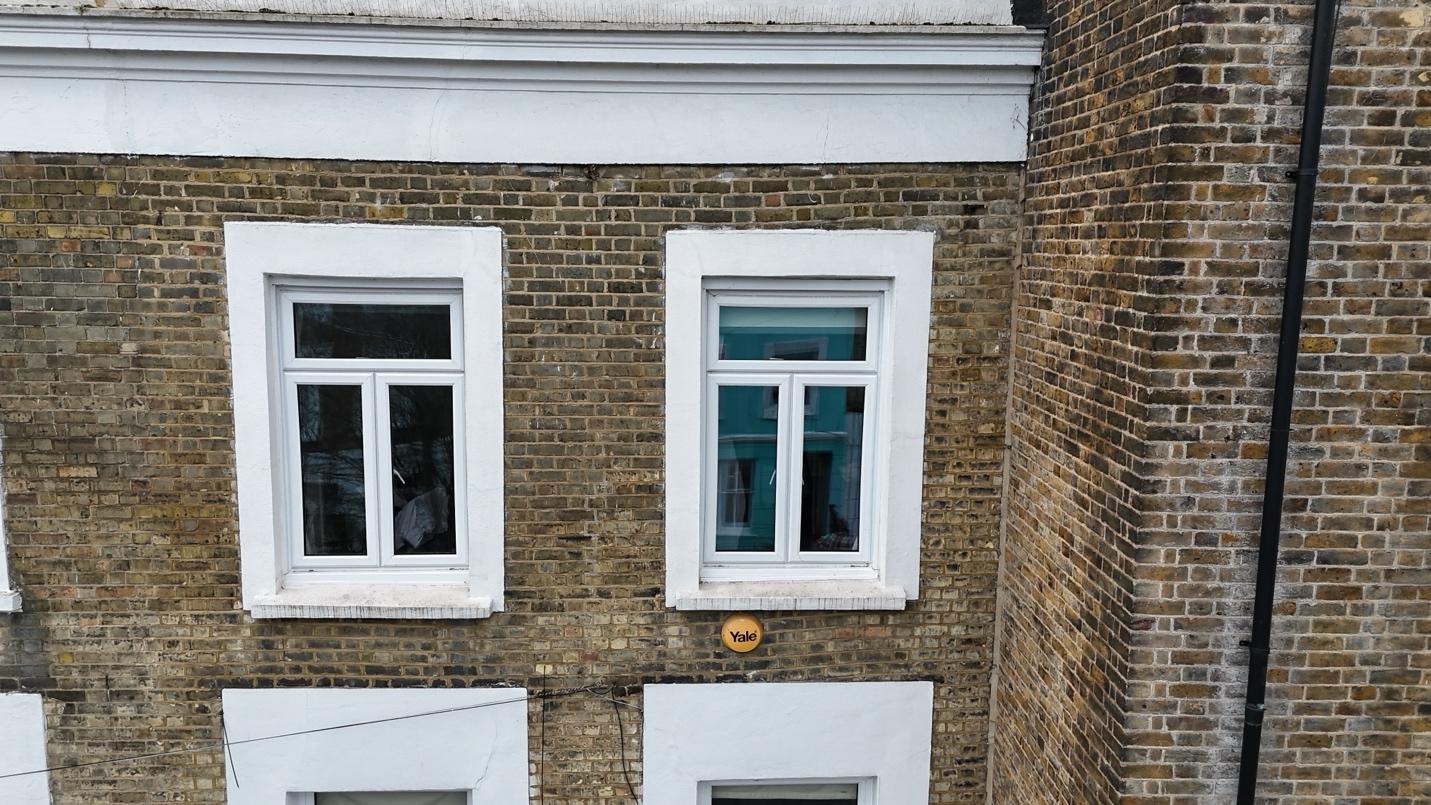
A comprehensive Level 3 damp survey was performed on a residential property in Upper Holloway (N7). The property owner instructed an independent investigation to determine why dampness was appearing on upper-floor walls. The survey delivered an accurate, unbiased evaluation of the building envelope from roof level down to the foundations.
About the Issue
The property owner noticed localised water staining below the upper staircase window and near the top left corner of the front bedroom window on the top floor. Concerned about potential structural decay, hidden plumbing leaks, or rising dampness, they requested a specialist inspection.
The Challenge
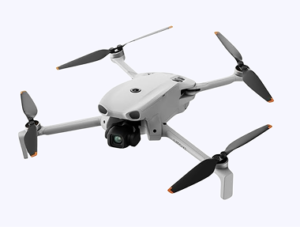
An aerial drone assessment was deployed to inspect high-level roof structures before progressing to an internal inspection of every accessible room. The survey aimed to test all potential moisture paths, ventilation systems and structural elements.
Key findings gathered during the assessment included:
- The top flat roof felt membrane showed advanced deterioration with unsealed joints and loose flashings, while a roof gully adjacent to the staircase wall was identified as defective.
- Inadequate fall on the top-floor balcony caused standing water to pool and the top-floor bathroom extractor fan was found to be non-operational (though the second-floor fan operated correctly).
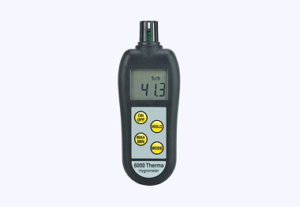
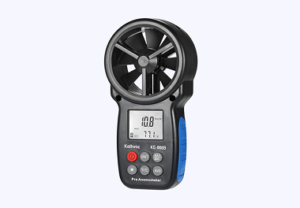
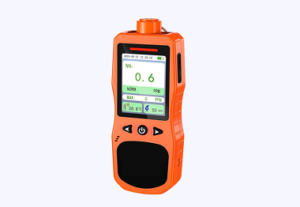
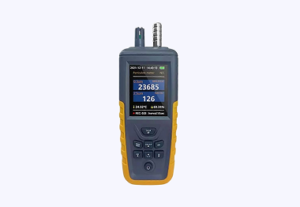
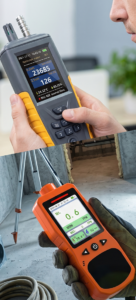
- Hygrometer measurements showed balanced indoor air humidity within a satisfactory range, while a ventilation flow test confirmed the operational extractor fan met air exchange standards.
- Complete absence of wood rot, woodworm, plumbing leaks, or structural movement, with intact brickwork pointing and a fully functional damp proof course (DPC).
Diagnostic reasoning confirmed that damp below the staircase window matched the position of the defective roof gully. Meanwhile, water ingress around the front bedroom window resulted from a combination of failed window sealant, localised pointing faults and lateral water tracking from balcony pooling.
The Solution
Resolving the issue requires resolving external maintenance defects to stop moisture at the exterior skin:
- Commission a qualified roofer to review the top flat roof, reseal or renew compromised felt joints, fix loose flashings and clear and repair the roof gully and outlet.
- Unblock top-floor balcony drainage outlets and verify surface falls to ensure water drains away cleanly.
- Renew external window sealant and repair localised pointing around the top-floor front window frame.
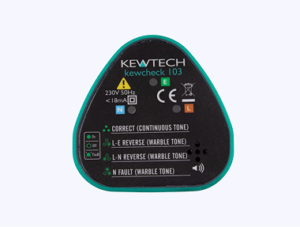
- Repair or replace the top-floor bathroom extractor fan after electrical testing, ensuring external discharge.
- Allow damp internal masonry to dry out naturally using standard home heating and ventilation before redecorating once moisture meters confirm acceptable dry readings (typically within a few weeks).
The Outcome
The survey provided the homeowner with absolute certainty, ruling out timber rot, rising damp and structural failure. By establishing that all issues were maintenance-related, the report saved the owner from unnecessary internal damp proofing expenditures.
Why This Case Matters
A top-down diagnostic approach combining drone technology with internal moisture checks ensures that internal symptoms are never considered in isolation. Identifying external maintenance defects first prevents homeowners from wasting money on internal damp proofing products that leave the actual leak untouched.