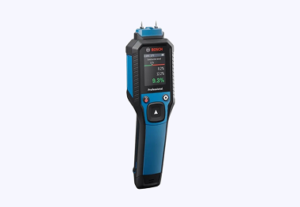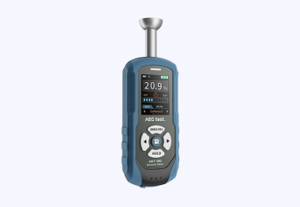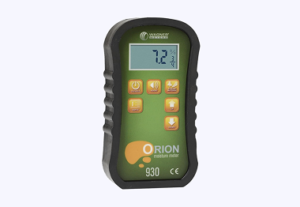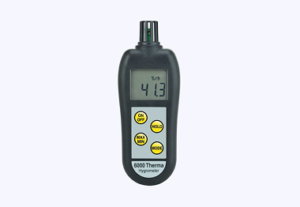
A Level 3 damp survey was commissioned for a flat in South Woodford (E18) to investigate reported mould issues. The property owner instructed an independent specialist to secure an objective baseline of wall conditions. The survey provided a clear diagnostic check across all accessible areas.
About the Issue
Visible mould growth in multiple areas of the flat prompted concern for the homeowner, who feared that hidden water leaks or rising damp were compromising internal walls.
The Challenge
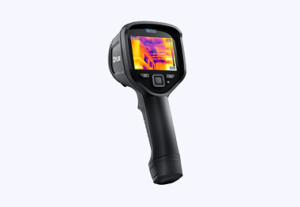
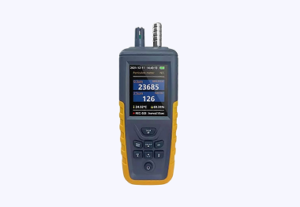
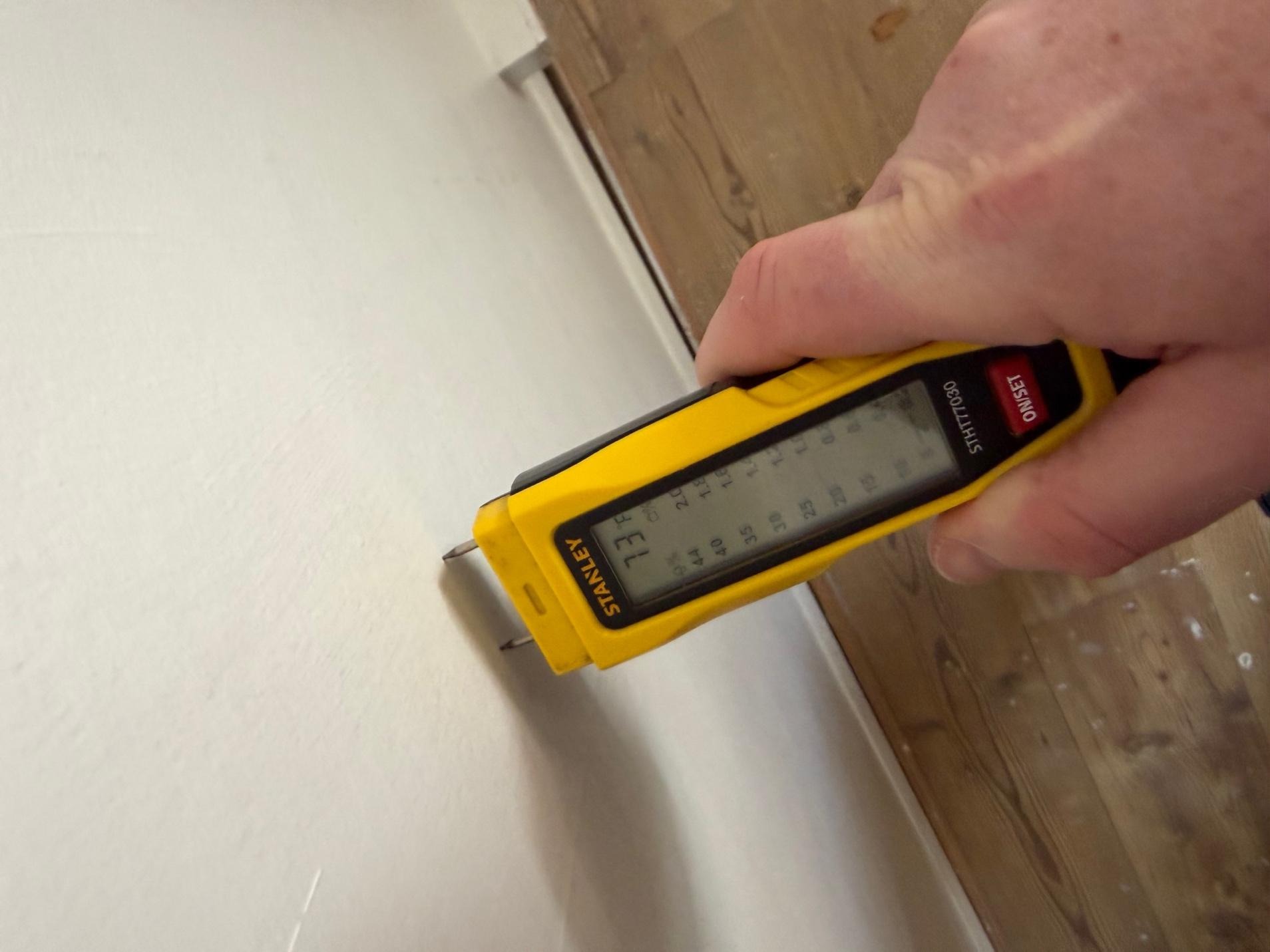
The inspection involved moisture testing across all accessible walls using calibrated damp detection equipment.
The diagnostic check revealed specific factual results:
- Moisture meter readings across all tested walls returned dry results.
- Complete absence of rising damp, penetrating damp, or pipework leaks.
- Identification of solid masonry external walls subject to cold surface temperatures.
The diagnostic findings confirmed that mould growth was driven entirely by environmental condensation. Because solid walls cool rapidly, indoor moisture condenses on cold surface masonry, fostering mould over time.
The Solution
To resolve the mould issue, the team outlined two primary remedial options:
- Use a continuous drainage dehumidifier with a permanent drain hose plumbed near a kitchen sink or drain point.
- Maintain 24-hour operation set to 50–55% RH automatic mode with windows closed to regulate air conditions across the flat.
- Avoid manual tank dehumidifiers that automatically shut off when full.
- Improve thermal insulation on external walls to elevate surface temperatures.
The Outcome
The homeowner received a clean bill of health regarding structural dampness, avoiding costly contractor proposals for damp proofing or wall tanking.
Why This Case Matters
Independent damp diagnostic surveys use quantitative testing to distinguish between liquid water ingress and atmospheric condensation, preventing homeowners from paying for unneeded structural repairs.