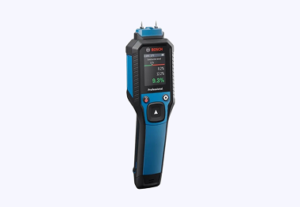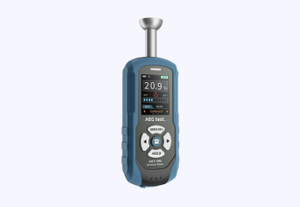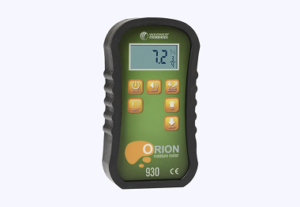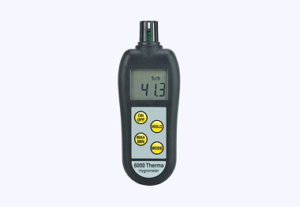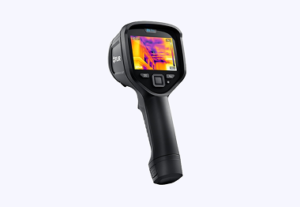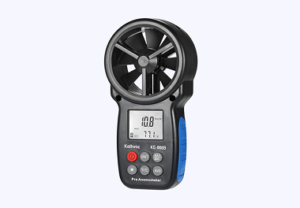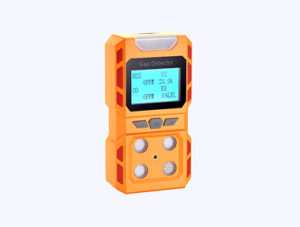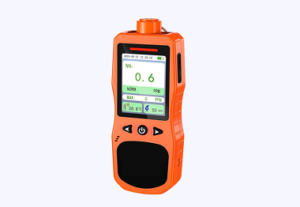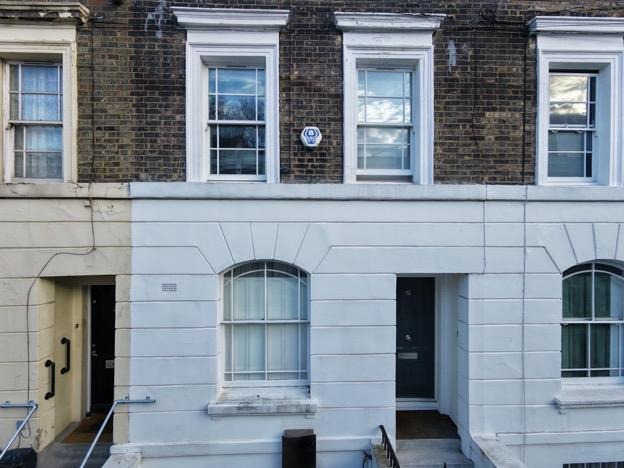
A Level 3 damp survey was carried out on a multi-level residential property in Islington (N1). The property owner arranged an independent specialist inspection to evaluate multiple moisture entry points throughout the building. The objective was to obtain an impartial diagnostic health check before appointing building contractors.
About the Issue
Water marks around top-floor window sills, an active skylight leak and ceiling staining on the ground floor raised serious concerns for the homeowner. They worried that water was seeping through structural brickwork or that internal floor joists were suffering from hidden decay.
The Challenge
The surveyor conducted a complete Level 3 investigation, examining every accessible space from the lower ground floor up to the roof details. The diagnostic focus was determining whether internal damp symptoms shared a single structural cause or stemmed from multiple external defects.
Key findings recorded during the multi-floor assessment included:
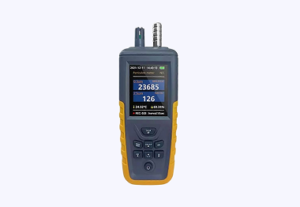
- Ambient indoor air humidity measured between 46.1% and 47.3%, proving that overall atmospheric conditions were within safe limits.
- Top floor checks confirmed active water entry from an unsealed skylight, unsealed top-floor windows, a poorly sealed en suite vent and defective external lead flashing behind the rear bedroom bed.
- First floor evaluation pinpointed penetrating damp in the front bike storage room caused by an unprotected front parapet wall, whereas computer room wall staining proved to be an inactive, historic leak.
- Ground floor testing confirmed an active plumbing leak on the ceiling directly beneath the first-floor toilet, alongside condensation mould in the front bedroom; the lower ground floor showed a leaking glass roof pillar junction and minor low-level moisture on the right-hand side of the rear folding doors.
Structural masonry, brickwork pointing and timber joists were all confirmed to be in good condition, with no evidence of dry rot, wet rot, or woodworm anywhere in the house.
The Solution
The report provided a practical, trade-by-trade remedial strategy to address each identified defect:
- Commission a roofer to reseal the skylight unit, repair and reseal lead flashing, seal top-floor window perimeters, fit metal flashing to the front parapet wall and reseal the glass roof pillar junction.
- Instruct a qualified plumber to repair the leaking toilet plumbing above the ground floor ceiling.
- Clean and treat mould in the ground floor front bedroom, operating a dehumidifier set to approximately 55% humidity on automatic mode.
- Allow all damp masonry to dry post-repair naturally, applying a stain-blocking primer before redecoration.
- Keep the minor rising damp near the lower ground rear folding doors under observation following external works.
The Outcome
The survey provided the homeowner with a clear, fact-based repair roadmap. By demonstrating that the primary cause of damp was a series of localised sealing and plumbing faults, the independent report saved the owner from investing in redundant chemical damp proofing.
Why This Case Matters
Defective lead flashing, unsealed window frames and unprotected parapet walls can create internal damp patches that look like severe structural dampness. Independent surveys inspect the complete building envelope, ensuring external weatherproofing defects are corrected at source.