This Level 3 damp survey evaluated a multi-storey residential home in Islington (N7). The property owner commissioned an independent diagnostic assessment after discovering moisture patches on upper-level walls. The objective was to obtain an unbiased, top-to-bottom structural report before undertaking any interior redecoration.
About the Issue
Moisture patches were observed beneath the staircase window on the upper flight of stairs, alongside staining at the top left-hand side of a top-floor front bedroom window. Fearing that water was penetrating through structural brickwork or that internal joists were decaying, the homeowner sought a precise diagnosis.
The Challenge
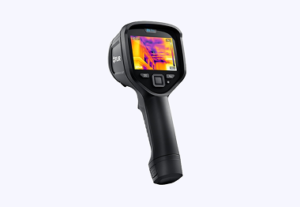
Starting at roof height, the inspection utilised a drone assessment to examine inaccessible external coverings before conducting a downward internal check. The investigation focused on evaluating weatherproofing details, structural stability and internal moisture patterns.
Physical inspections and environmental tests produced clear diagnostic data:
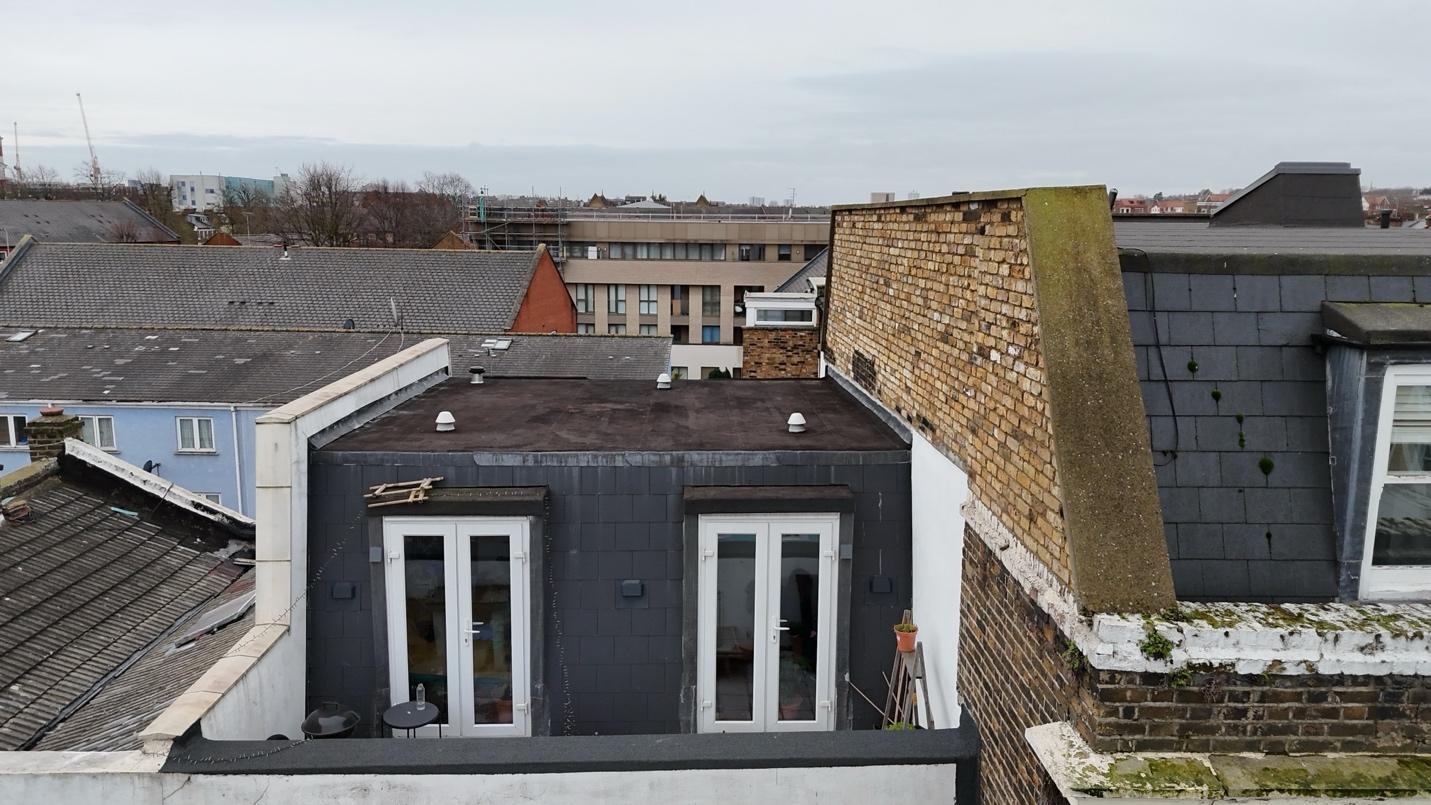
- Drone footage captured severe deterioration of the top flat roof felt membrane, unsealed joints, loose flashings and a defective roof gully beside the staircase wall.
- Significant standing water and pooling were detected on the top-floor balcony, alongside a non-functioning extractor fan in the top-floor bathroom (whereas the second-floor fan was working).
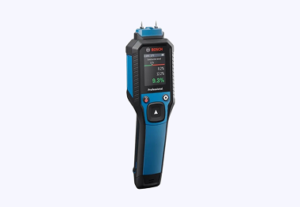
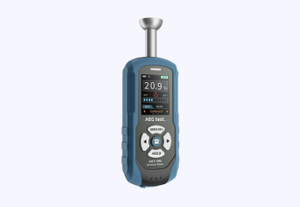
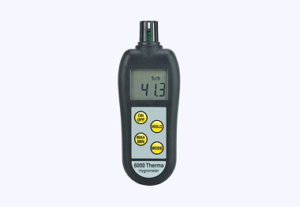
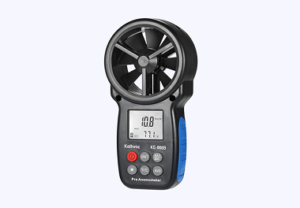
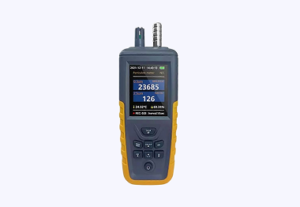
- A hygrometer confirmed indoor air humidity levels were within a satisfactory range and a ventilation flow test on the operational second-floor extractor fan confirmed correct discharge volume.
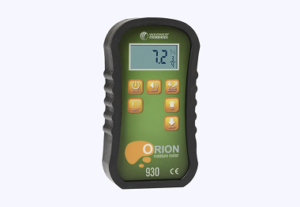
- Tests across the structure established no plumbing leaks, no timber decay or woodworm, sound brickwork pointing, no structural movement and an intact DPC.
The evidence proved that internal dampness was entirely external in origin. Defective gully detailing pushed water into the masonry below the staircase window, while failed window sealant, localised pointing defects and standing water on the balcony caused water ingress around the bedroom window.
The Solution
Remedial actions focus on restoring the property’s external weatherproofing through the following step-by-step strategy:
- Have a qualified roofer inspect the top flat roof, renew or reseal defective felt joints, fix loose flashings and repair the roof gully and outlet.
- Clear top-floor balcony drainage outlets and correct surface falls to stop water pooling.
- Rake out and repair localised pointing defects and replace failed external sealant around the top-floor front bedroom window.
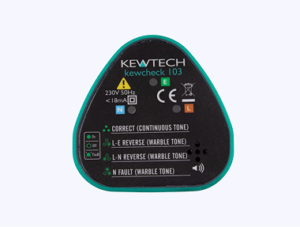
- Electrically test, repair, or replace the top-floor bathroom extractor fan, confirming external discharge.
- Permit internal walls to dry naturally under normal indoor heating and ventilation, delaying redecoration until moisture readings verify dry conditions (typically taking a few weeks).
The Outcome
The homeowner gained clarity that the building structure was sound and completely free of timber rot or rising damp. Identifying specific high-level defects saved them from embarking on costly, ineffective internal waterproofing treatments.
Why This Case Matters
Penetrating damp on upper floors frequently stems from minor maintenance oversights like clogged gullies, poor balcony falls, or failed window sealant. An independent diagnostic survey isolates these exact exterior faults, protecting property owners from sales-driven treatments that fail to fix the root cause.