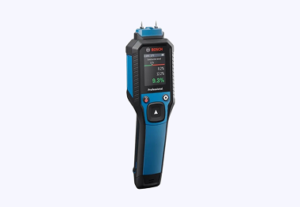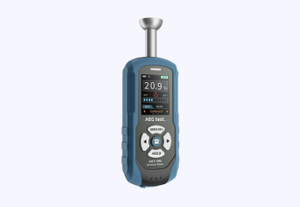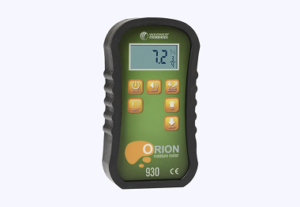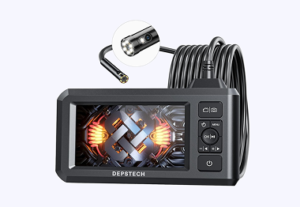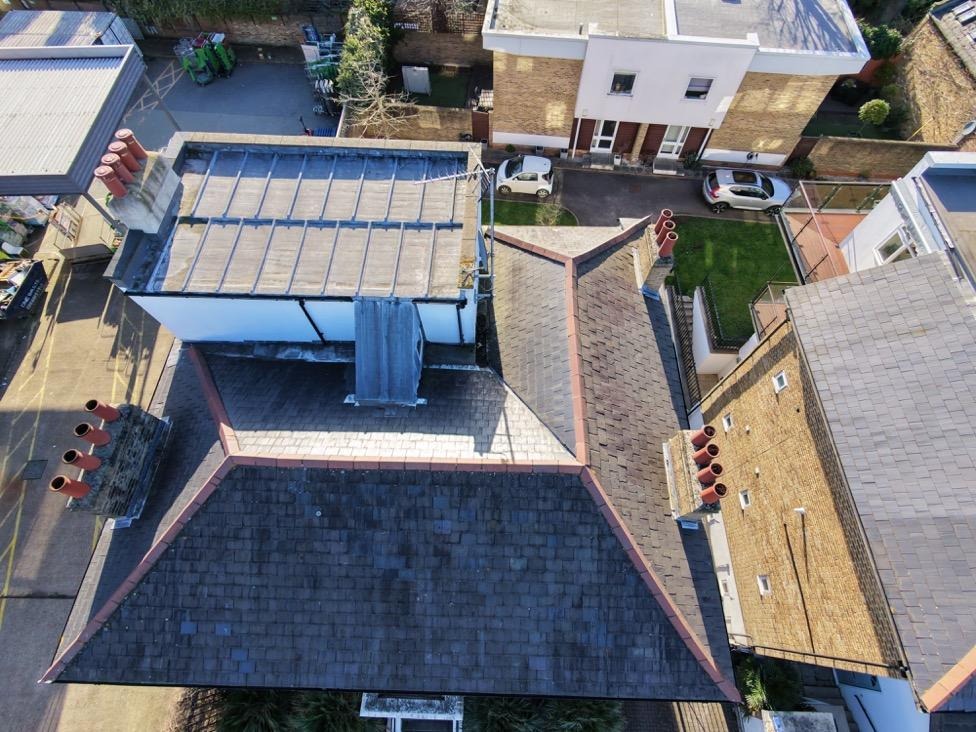
A Level 3 damp survey was conducted on a two-storey first-floor flat in Balham (SW12). The property owner instructed an independent damp specialist to evaluate reported wall dampness on the top floor and establish an authoritative building health baseline. The assessment provided a professional, unbiased report free from contractor sales pressure.
About the Issue
Discolouration running horizontally across the top of the main bedroom chimney breast wall caused anxiety for the homeowner. They worried that water was leaking from concealed pipework or that the main flat roof structure was suffering widespread failure.
The Challenge
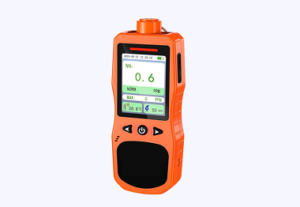
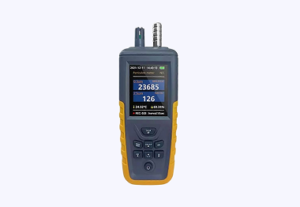
The surveyor performed a top-to-bottom Level 3 inspection across both storeys, testing internal masonry, evaluating room humidity, inspecting mechanical ventilation and scanning wall surfaces with thermal imaging cameras.
Diagnostic testing produced clear physical evidence:
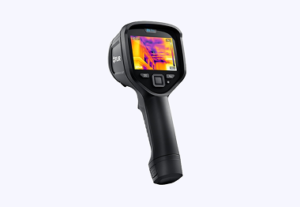
- Infrared thermal imaging confirmed cold bridging and moisture presence along the top section of the bedroom chimney breast, including both sides of the fireplace.
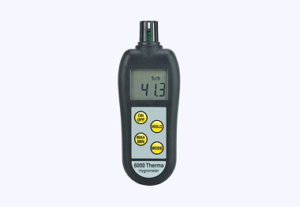
- Environmental testing recorded air humidity at 53.5%, confirming a balanced indoor microclimate not prone to building-wide condensation.
- Roof-level assessment identified a vulnerable flat roof construction above the bedroom, alongside defective flashing around the chimney stack and open, uncapped chimney flues.
- Ventilation flow checks revealed that both the toilet and bedroom extractor fans were non-operational or failing to extract air effectively, explaining minor paint flaking in the bathroom.
- Complete checks on visible plumbing, drainage, DPC level and external brickwork confirmed sound structural health with zero internal leaks or rising damp.
The evidence proved that the flat was otherwise dry and sound, isolating defects to high-level roof detailing and minor ventilation maintenance.
The Solution
The report detailed a practical, targeted action plan to reinstate the property:
- Roofing Repairs: Engage a qualified roofer to repair defective chimney stack flashing, overhaul the flat roof covering and fit appropriate chimney caps onto open flues.
- Internal Redecoration: Allow the damp bedroom chimney breast wall to dry naturally post-repair before repainting internal surfaces.
- Ventilation Maintenance: Repair or replace the non-functioning extractor fans in the toilet and bedroom to ensure proper air extraction.
The Outcome
The survey provided the homeowner with absolute certainty regarding their building’s structural health. Armed with an independent diagnostic report, they avoided over-engineered internal damp-proofing proposals and focused their budget strictly on necessary roofer repairs and extractor fan replacements.
Why This Case Matters
Flat roofs situated directly above chimney breasts create high-risk junctions for rainwater penetration. Independent damp surveys evaluate external roof detailing alongside thermal wall scans, ensuring property owners solve penetrating damp at its external origin.