
The Impact of London’s Unique Weather Patterns on Home Dampness
If you are older than 20, you no doubt have fond memories of hot summers and blue skies; that seems to have been replaced by endless cloud, continuous rain and a dampness that hangs over the city. Aside from making us all feel miserable, cold damp weather can seriously damage a building and we certainly have our fair share of bad weather here in the UK.
Penetrating damp
Once moisture takes hold of brickwork or rendering, it spreads through the structure; a leaking roof, for example, will eventually cause the timber rafters and joists to rot. Regular roof inspections give you a heads up if a few tiles got blown away in that heavy storm and blocked guttering causes cascades of rainwater to run down the exterior walls. This you do not want!
Extended weather patterns
When was the last time you remember a cloudless day? Londoners all agree that the weather has taken a turn for the worse and constant damp days can take a toll on buildings, especially older properties. The damp proofing industry is busy surveying and fixing damp issues across the city and we at London Damp Specialists are on the front line; our homebuyer damp survey reveals any issues, rising damp, penetrating damp and condensation are all a very real threat to a structure. It takes mould specialists to keep damp at bay; have your home surveyed and find out if damp is present, then you can take action and save a fortune in repairs.
Wet summers
It isn’t just the cold and wet winters we seem to have every year, wet summers cause mould and mildew; effective property moisture control is required and we are proud to offer a wide range of services to identify and deal with moisture and timber decay. If you notice that the house smells musky, mould is likely present and it needs to be addressed without delay. Make sure that you inspect all parts of the house on a regular basis, looking for signs of damp, mould and mildew. This would include hard to reach parts, such as the attic and basement, if you have one. Our basement damp assessment is accurate and we can waterproof any cellar.
Storm damage
We get our fair share of storms in London and gale force winds can wreak havoc, especially with roofing; if you haven’t checked your roof for damage lately, call your local roofing contractor and have them inspect your roof for damage.
Early detection is the key
If you notice damp patches on walls and ceiling, a great deal of damage has already occurred; be proactive regarding damp, a damp survey in London would reveal issues and remedial work nips it in the bud.
We are a family-owned company that is at the forefront of dealing with all forms of damp; give us a call on 020 8528 3864 or enter the data in our online form and we will arrange for a survey and provide you with a detailed written report, along with a quote for any remedial work that is needed.

Damp Survey Costs
Transparent pricing with no hidden fees for our independent, unbiased surveys.

Level 1
What’s included:
- Inspection of walls
- Inspection of floors
- Inspection of ceilings
- Leak inspection of drains and plumbing
- Damp information and prevention guide

Level 2
What’s included:
- Everything in Level 1
- Dry rot inspection
- Wet rot inspection
- Woodworm inspection
- Damp information and prevention guide
Level 3 (Most Popular)
What’s included:
- Thermal Imaging
- Air humidity testing
- HD boroscope camera
- Brickwork pointing inspection
- DPC inspection
- Ventilation flow test on extractor fans
- 4K drone imagery roof, chimney stack
and guttering inspection - Structural condition inspection
- Inspection of walls
- Inspection of floors
- Inspection of ceilings
- Leak inspection of drains and plumbing
- Dry rot inspection
- Wet rot inspection
- Woodworm inspection
- Damp information and prevention guide
Survey Add Ons
Add On 1
Laboratory analysis Of plaster identifies hygroscopic salts such as chlorides and nitrates. which indicate whether damp is caused by rising groundwater or by plumbing leaks, This testing removes guesswork, allowing the exact source of moisture to be identified so the correct treatment is applied rather than carrying out unnecessary damp-proofing work.
Add On 2
qPCR DNA mould testing detects microscopic mould spores that are invisible during a normal inspection and van remain hidden behind walls, floors. or inside building rkaterials. It identifies the exact mould species present and the contamination level, allowing hidden mould problems to be confirrned and properly treated before they affect the property or occupants’ health.
Qualifications: All our surveyors are PCA and CSRT qualified for remedial treatments and also CSSW qualified for structural waterproofing.
Next day report: You will receive the report within 24 hours of the inspection taking place.
The survey fee will be deducted from the cost of any recommended repairs.
These are the tools we use
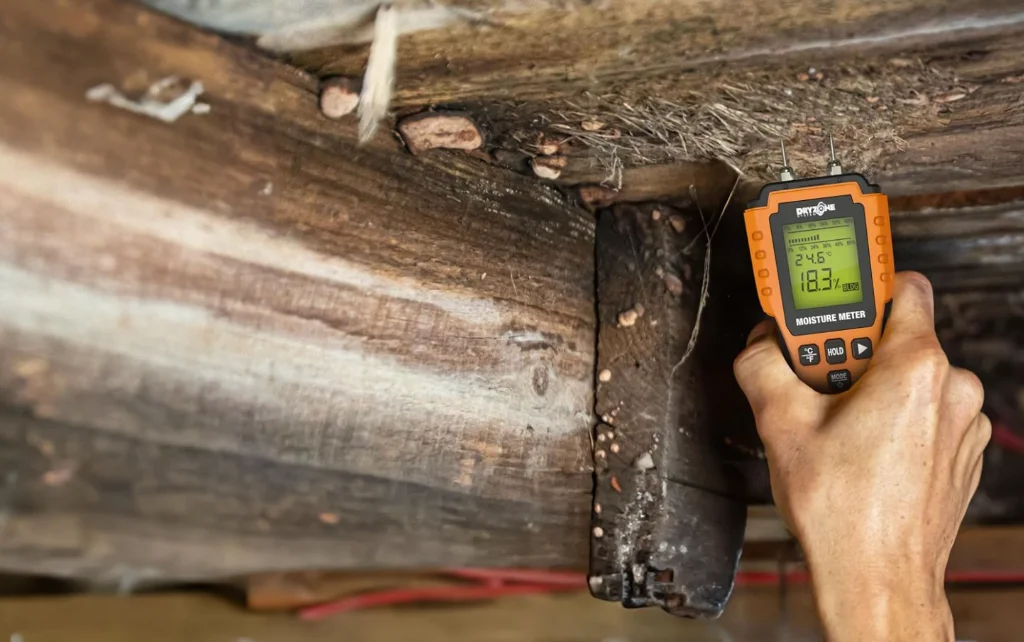
Damp Meter
A damp meter is a diagnostic tool used to detect and measure moisture levels within building materials such as plaster, brick, timber, and concrete.
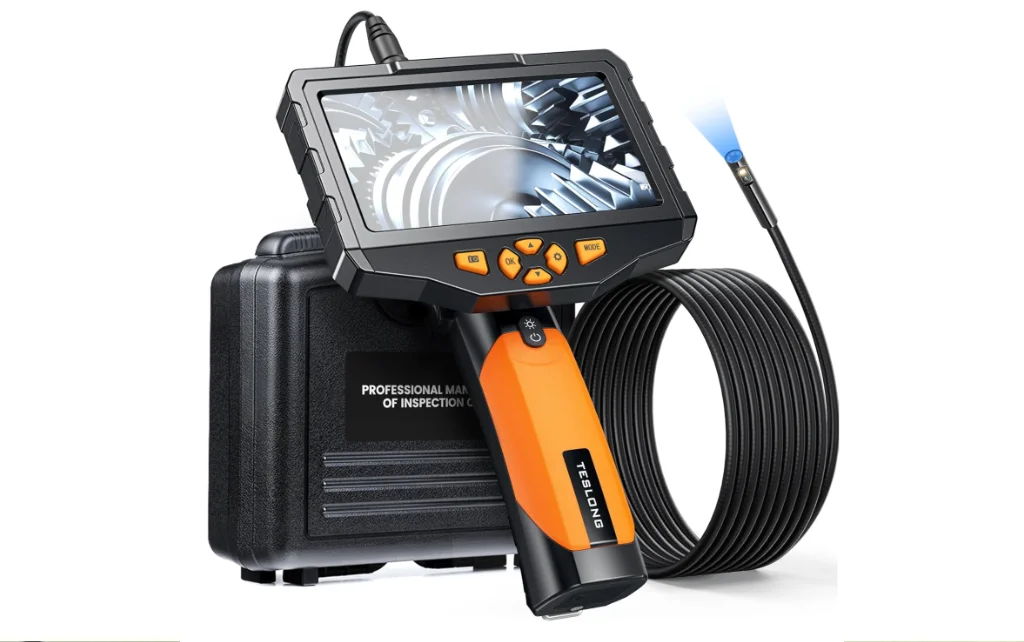
Borescope camera
borescope camera is a small inspection camera attached to a flexible semi-rigid cable that allows you to see inside areas that are otherwise inaccessible.

Drone Inspection
A drone is a remotely operated aerial device equipped with a camera that allows visual inspection from above without the need for scaffolding or ladder.
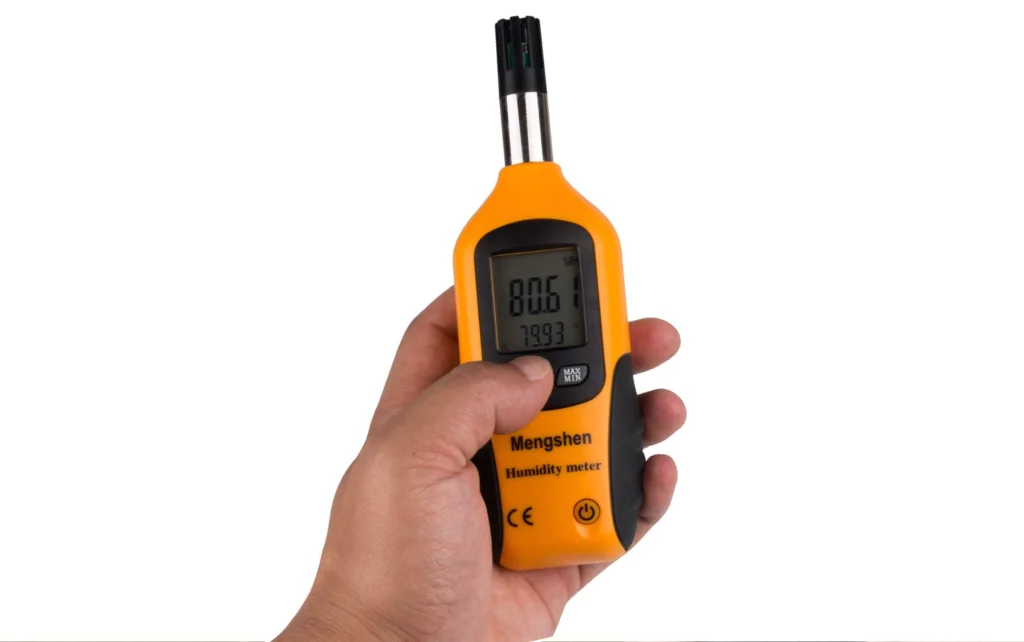
Air Humidity Sensor
Air humidity sensor measures the amount of moisture present in the air, expressed as relative humidity (RH) in percentage. It helps determine whether indoor conditions are contributing to condensation, mould growth, or damp-related issues.
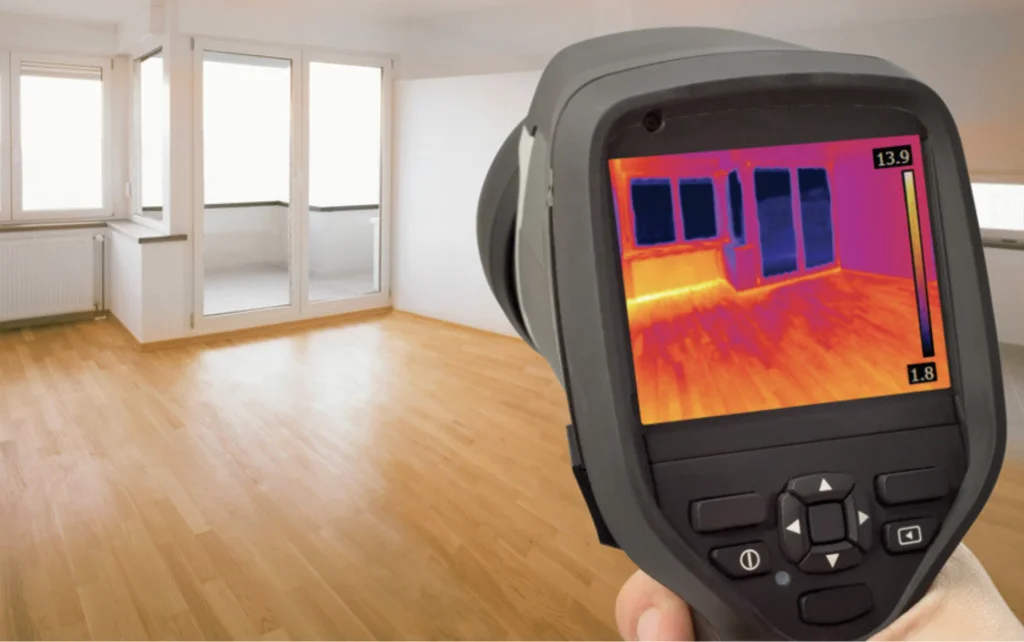
Thermal Imaging Camera
A thermal imaging camera detects temperature differences on surfaces by using infrared technology to produce a heat map image. In damp investigations, it helps identify cold spots, moisture intrusion, insulation defects, thermal bridging and leaks.
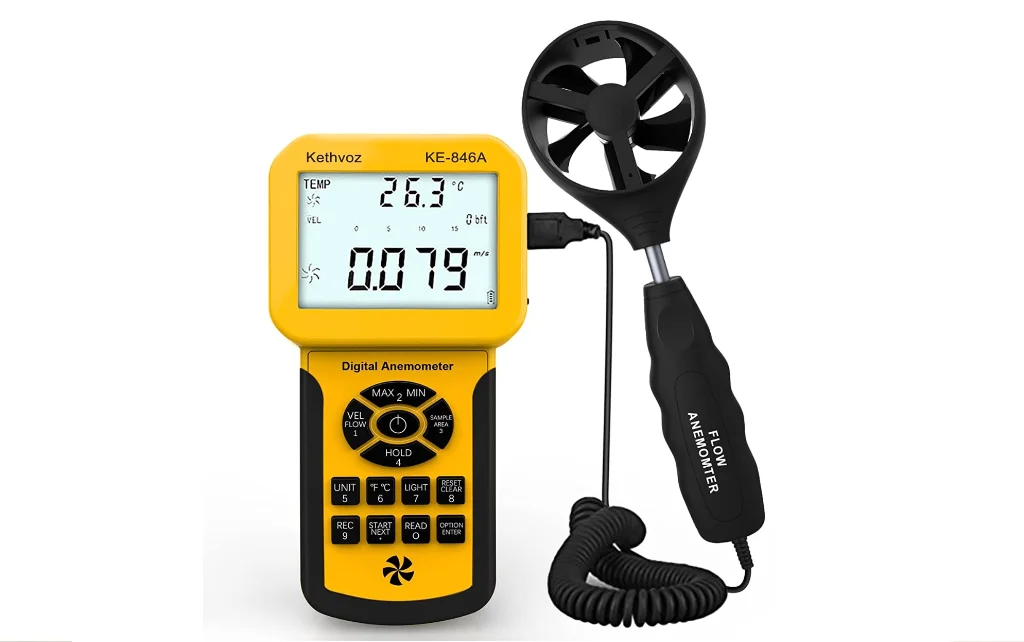
Air Flow Ventilation Detector
An air flow ventilation detector measures the movement and volume of air passing through vents, extractor fans, and air bricks. It confirms whether ventilation systems are working properly and achieving adequate air changes within a room. Poor airflow leads to trapped moisture, high humidity, condensation on cold surfaces, and ultimately mould growth.

Mould Lab Swab Testing
A mould swab test is carried out to confirm the presence of hidden mould growth and identify the specific species involved. Surface mould is not always visible, especially behind furniture, inside cavities, or within ventilation systems. Laboratory analysis of a swab sample determines whether active mould spores are present and what type they are, which helps assess potential health risks and decide the correct remediation approach rather than relying on visual assumption alone.
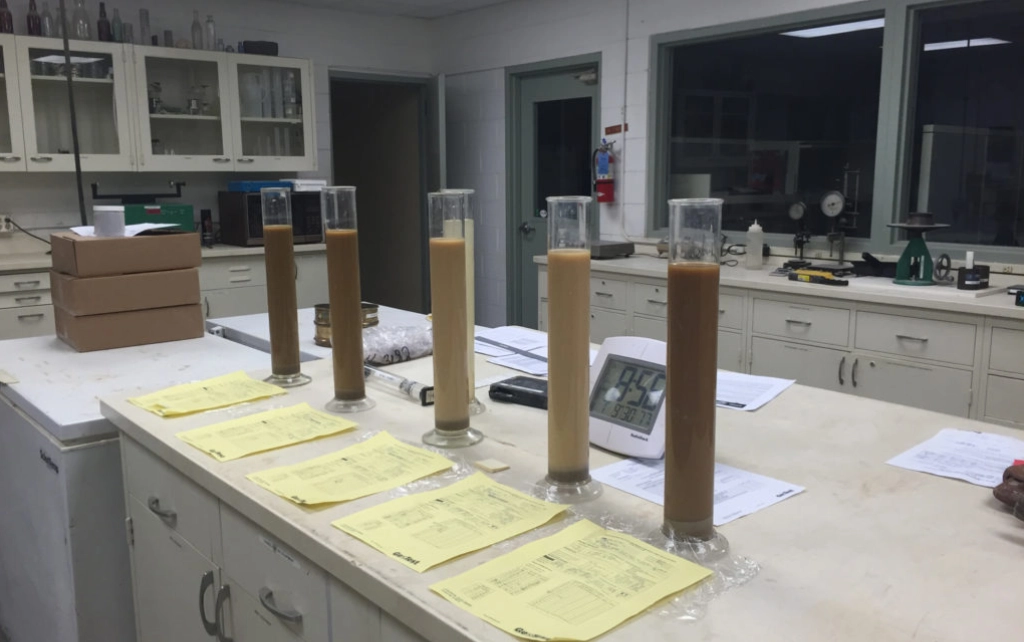
Lab Analysis of Plaster
Laboratory analysis of plaster is used to identify the type of salts present within the material, typically chlorides and nitrates. The presence and concentration of these salts help determine whether the moisture source is consistent with rising damp, ground contamination, or another forms [sic] of water ingress. such as mains water leak, This removes guesswork and prevents misdiagnosis, ensuring the correct remedial treatment is specified rather than applying unnecessary or ineffective solutions.
Contact Us
If you have some questions, please complete this form:
Book and Pay for a survey
If you are ready to book a survey and pay, please complete this form:

Contact Us
If you have some questions, please complete this form:
Book and Pay for a survey
If you are ready to book a survey and pay, please complete this form:
Contact Us
If you have some questions, please complete this form:
Book and Pay for a survey
If you are ready to book a survey and pay, please complete this form: